Manganese production in Gabon has plummeted to 9.1 million tonnes, exposing critical weaknesses in the country’s logistics infrastructure. Frequent breakdowns and bottlenecks along the Transgabonais railway, which links mining sites to the Owendo port, have disrupted supply chains and delayed exports.
However, the fourth quarter of 2025 marked a turning point with a notable rebound in output. This recovery stems from the reactivation of key deposits in Moanda and Franceville, driving a 10.8% increase in national production compared to the previous quarter, as confirmed by the Directorate General for Economy and Fiscal Policy (DEPF). Beyond extraction, the sector is increasingly embracing local value addition.
Strategic partnerships accelerate industrial transformation
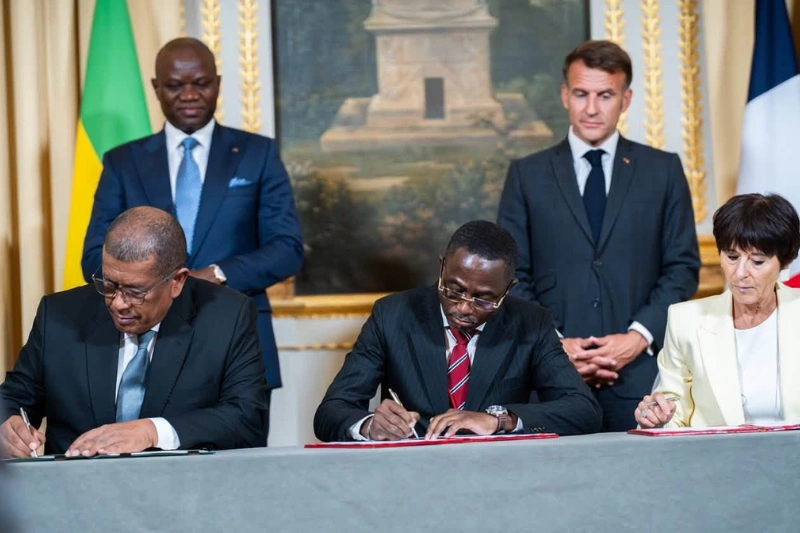
In July 2026, Gabon’s government and France’s Eramet group formalized a landmark agreement in Paris. Under this deal, Eramet pledged to process up to 700,000 tonnes of manganese ore annually in Gabon by the end of 2031. Three potential pathways are under evaluation: upgrading the existing metallurgical complex in Moanda, establishing processing units at Owendo, or constructing a manganese oxide battery plant near Libreville.
The Ministry of Industry sought to clarify public concerns by emphasizing that Eramet’s commitment represents only part of the broader initiative. Other mining operators are expected to contribute to the national transformation drive.
Energy and sustainability drive future readiness
To meet the 2029 ban on raw manganese exports, industry players are proactively addressing energy supply challenges and integrating biocharcoal into their operations. These efforts signal a deliberate move toward sustainable industrialization ahead of the regulatory deadline.