Gabon is at a critical juncture in its economic calendar. Behind the numbers, the arbitrages, and the financial tables that open on July 14, the country is sketching out its face for the coming years.
The budget conferences launched by the government are not just a formal administrative exercise. They represent the first major political act of the future 2027 Finance Law, which will translate into fact the economic ambitions, social and institutional aspirations of the new Republic.
The vice-president of the government, Hermann Immongault, brought together the main economic players to give the signal for a decisive process that will determine how public resources are allocated in an international context marked by economic uncertainties, inflationary tensions and growing demands from populations for purchasing power and public services.
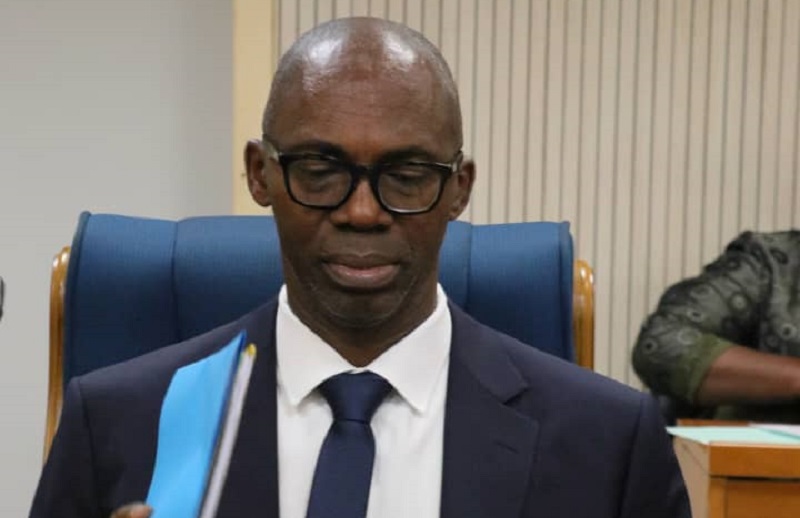
The Minister of Economy, Finance, Debt and Participations, Thierry Minko, presented the detailed schedule of the works that begin officially on July 14 with all members of the government.
Beyond the technical mechanisms, a clear political message already emerges from this first step. The future budget will be centered on prioritization, efficiency and social impact.
The authorities have set a target. Maintaining purchasing power for households and preserving the well-being of the population are absolute priorities in the budgetary negotiations to come.
In an economic world still marked by the consequences of tensions on international markets, fluctuations in raw materials prices and a rise in living costs observed in many economies, this orientation appears as an assumed political choice.
The state will concentrate more resources on investments deemed strategic, including infrastructure projects. This approach aims to strengthen the quality of public spending and avoid the imbalances seen in previous budget years.
The National Development Plan becomes a guiding star for the State. Already finalized and validated by the authorities, the PNCD is now the reference document around which will be organized all state action.
“The budget will be centered on the PNCD”, said Thierry Minko. This declaration marks an important shift in governance economics.
For a long time, African budgets have often been seen as relatively disconnected from development strategies of long-term duration. The government now wants to invert this logic.
Each investment, each infrastructure project, each public policy will have to demonstrate its direct contribution to the objectives set in the national growth and development strategy. This approach aims to reinforce the coherence of state action and improve the economic and social returns of public spending.
The balance is a delicate one with the IMF
The coming months will also be marked by new discussions with the Financial Monetary Institute. On this particularly sensitive dossier, the Gabonese government affirms a clear line.
Its aim is to preserve the country’s financial credibility while maintaining the investment capacities necessary for the transformation of the Gabon.
The calendar requires several stages before the adoption of the definitive 2027 Finance Law. The project must first receive the advice of the Economic, Social and Environmental Council, the Court of Auditors as well as the State Council before being deposited with the National Assembly.
For Hermann Immongault, this meticulous preparation is a condition essential to avoid the dysfunctions seen in previous budget years and allow each member of the government to defend a realistic, coherent and aligned with national priorities budget. Because behind each line of the budget lies a choice of society.
The budget is never just a financial document. It’s the most concrete expression of a State’s priorities, its vision of development and the contract it intends to pass with its population.
The budget conferences that open on July 14 mark more than the beginning of an administrative exercise. They open the Gabon of 2027.