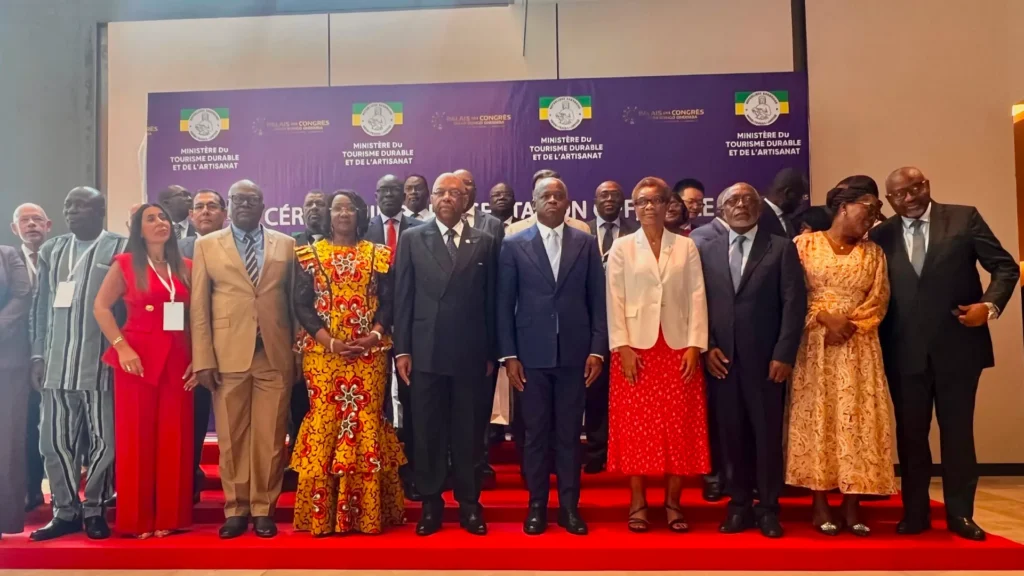
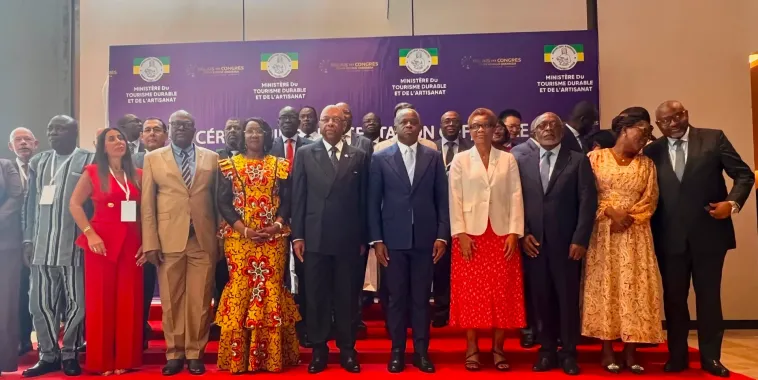
The government unveiled its brand-new National Strategy for Sustainable Tourism and Handicrafts on June 29, 2026 in Libreville, setting a clear goal: diversify the economy ahead of the post-oil era and position Gabon as a top-tier global destination.
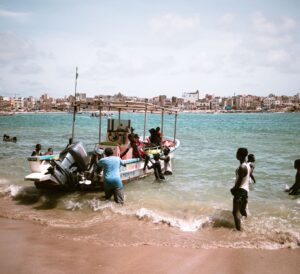
On paper, Gabon has everything needed to become Africa’s ecotourism leader. With 88% of its territory blanketed by equatorial rainforest, 800 kilometers of unspoiled coastline, and a network of 13 national parks, its natural capital is extraordinary.
From the wild fauna of Loango to the sweeping landscapes of Ivindo, the appeal for international travelers seeking untouched nature is enormous.
Moreover, Gabon’s pioneering environmental credentials — embodied by its blue and green bonds — give it valuable credibility to attract international funding.
The shock of reality: Persistent structural barriers
Turning this natural treasure into a profitable, well-structured industry requires overcoming significant hurdles.
The first is infrastructure: Access to major tourist sites — Lambaréné, Mayumba, Lopé — is often an ordeal.
The state of the domestic road network remains the number one obstacle to sector growth.
The second is cost. Between high international airfares, internal logistics, and the lack of affordable domestic connections, Gabon stays an expensive destination, limited to an ultra-exclusive niche market.
The third is human capital. High-end tourism demands international standards in hospitality, accommodation, and handicraft promotion.
That requires a massive, sustained investment in vocational training — a task that cannot be decreed overnight.
From strategy to action: The real test
Gabon undoubtedly has the natural assets to match its ambitions. What remains is to urgently build the logistical and human foundations to make them operational.
For this new vision not to end up in the graveyard of abandoned plans, the state must prioritize execution over communication.
Success will hinge on attractive public-private partnerships that can finance roads and accommodations while structuring local expertise.
If action finally follows strategy, ecotourism could indeed become the economic engine of the post-oil era.