Gabon Paris summit yields economic commitments with high stakes
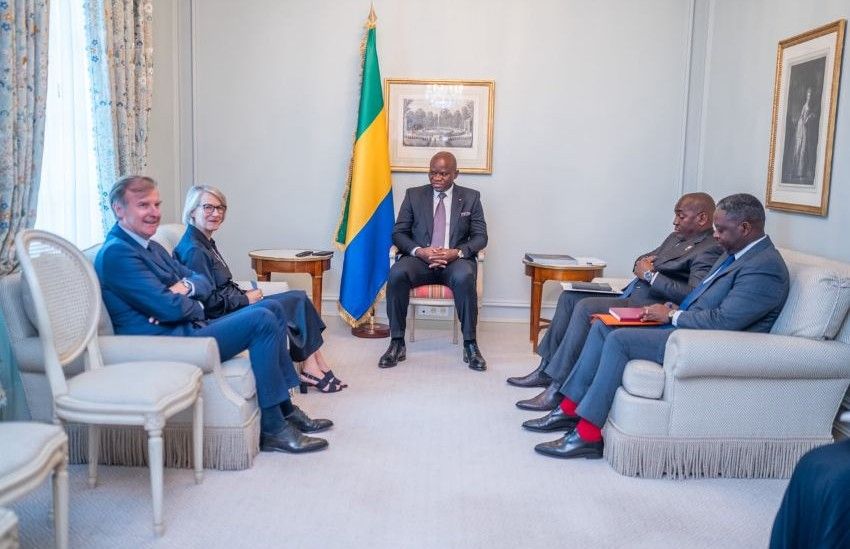
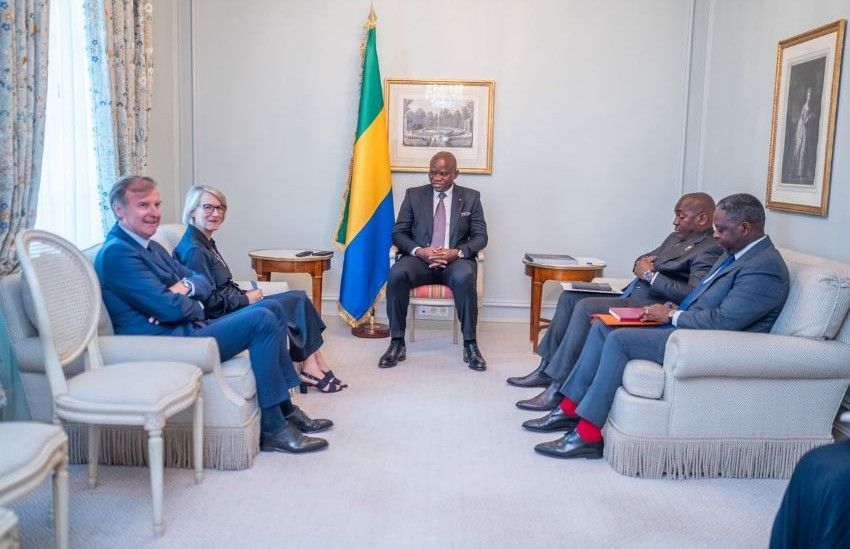
Libreville, August 4, 2026 – President Brice Clotaire Oligui Nguema’s state visit to Paris from July 19 to 22 was more than a diplomatic showcase. Behind the ceremonial events and high-level meetings lay Gabon’s urgent quest for economic partnerships that could deliver tangible benefits to its people.
The delegation, numbering over 80 members and including key private sector leaders, engaged with French counterparts to secure commitments across critical sectors. While the headlines celebrated the pageantry, the real test lies in translating these discussions into concrete outcomes for Gabonians.
Air connectivity takes center stage
The visit kicked off with a meeting between President Oligui Nguema and Anne Rigail, CEO of Air France. Aviation emerged as a priority, with discussions focusing on a potential codeshare agreement between Air France and Fly Gabon. If finalized by year-end, this partnership would allow Fly Gabon to market tickets to Paris under its own airline code, enhancing regional connectivity.
Beyond corporate benefits, improved air links could boost business travel, tourism, and foreign investment—key drivers for economic growth. However, no definitive agreement was signed during the talks, leaving the timeline uncertain.
Manganese transformation: a bold but distant ambition
Mining took precedence at the Élysée, where Gabon secured a framework agreement with Eramet and its subsidiary Comilog for local manganese processing. The ambitious roadmap, co-developed with Gabonese authorities, aims to process up to 700,000 tons of ore annually by 2031.
Potential initiatives include a “Made in Gabon” fund and biocharcoal production, though concrete investments remain pending. For now, the agreement represents a plan, not a done deal—success hinges on follow-through from all parties.
Energy ambitions face a critical deadline
The hydroelectric project in Booué on the Ogooué River became another focal point. A proposed 400-megawatt facility aims to address Gabon’s energy shortfall, where current production (around 700 MW) fails to meet demand exceeding 1,000 MW.
While an agreement was signed in Paris, partners have until October 31 to finalize development terms. Monthly meetings will track progress, making this deadline a litmus test for credibility.
Additional discussions involved Omega Consortium, focusing on expanding water and electricity infrastructure—a persistent challenge in urban and rural areas alike.
Public expectations hinge on execution
The president’s team touted progress in mining, energy, water, security, and investment, but specifics—including funding details—remain undisclosed. This opacity fuels public skepticism, with citizens prioritizing tangible outcomes: jobs, reliable electricity, improved mobility, and locally generated value.
The coming months will reveal whether the Paris summit’s promises translate into reality. Key milestones include:
- The October 31 deadline for the Booué hydroelectric project
- A potential codeshare agreement with Air France by year-end
- Progress on manganese processing milestones
Final analysis: Diplomatic visits are measured by handshakes and photo ops, but real impact is determined by what changes afterward. Gabon’s people are watching closely—results must follow the rhetoric.