The political landscape in Chad remains tense as opposition figures face mounting challenges in asserting their influence under the leadership of Mahamat Idriss Déby Itno. Despite calls for reform and greater representation, the opposition has found itself increasingly marginalized, struggling to counterbalance the transitional government’s firm control. Key figures like Albert Pahimi Padacké, Succès Masra, and Saleh Kebzabo continue to navigate a landscape marked by repression and internal divisions, raising questions about the future of democratic space in the country.

Challenges facing Chad’s opposition
The opposition in Chad is grappling with significant hurdles as it attempts to challenge the authority of Mahamat Idriss Déby Itno. Repression tactics, including restrictions on public gatherings and media censorship, have stifled dissent. Meanwhile, internal disagreements among opposition leaders further weaken their collective bargaining power. Figures such as Albert Pahimi Padacké, a former prime minister, and Saleh Kebzabo, a veteran politician, have been vocal critics but face an uphill battle in mobilizing support.
Mahamat Idriss Déby Itno’s transitional government
Since taking power in 2021, Mahamat Idriss Déby Itno has led a transitional government that has prioritized stability over democratic reforms. While some citizens acknowledge progress in security and infrastructure, others argue that the government’s approach has come at the cost of political freedoms. The transitional administration has also faced scrutiny over its commitment to holding elections, with delays fueling skepticism about its intentions.
Key opposition leaders and their roles
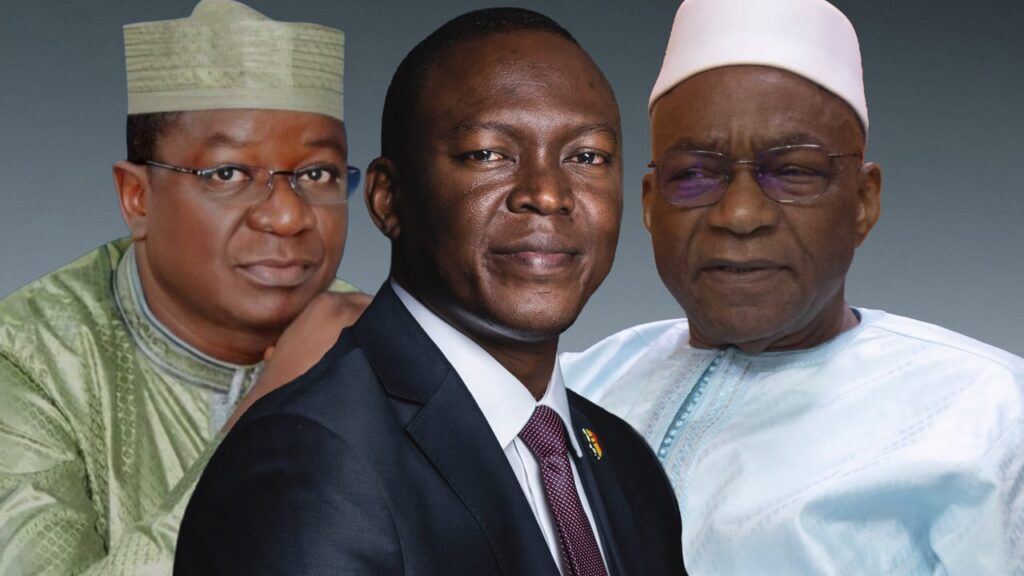
The opposition coalition in Chad includes prominent figures who have emerged as critical voices against the transitional government:
- Albert Pahimi Padacké: A former prime minister and member of the Union Nationale pour la Démocratie et le Renouveau (UNDR), Padacké has long been a central figure in Chadian politics. His calls for dialogue and reform have resonated with some but have yet to translate into tangible political gains.
- Succès Masra: Leader of the Les Transformateurs party, Masra has positioned himself as a reformist figure, advocating for greater transparency and accountability. However, his influence has been limited by government restrictions and internal party divisions.
- Saleh Kebzabo: A seasoned politician and former prime minister, Kebzabo has been a persistent critic of the transitional government. His experience and network within the opposition provide a foundation for resistance, though challenges persist.
Future prospects for Chad’s political landscape
The road ahead for Chad’s opposition remains uncertain. While calls for democratic reforms grow louder, the transitional government’s tight grip on power shows no signs of loosening. Opposition leaders must navigate a complex web of repression, internal divisions, and public skepticism to make meaningful progress. For now, the balance of power in Chad continues to favor the status quo, leaving many to wonder whether change is possible under current conditions.