Gabon and DRC forge stronger bonds during Tshisekedi’s Libreville visit
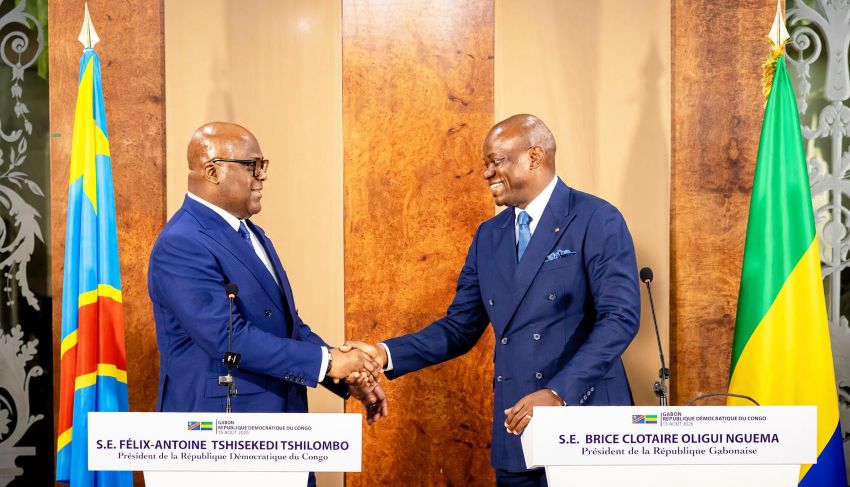
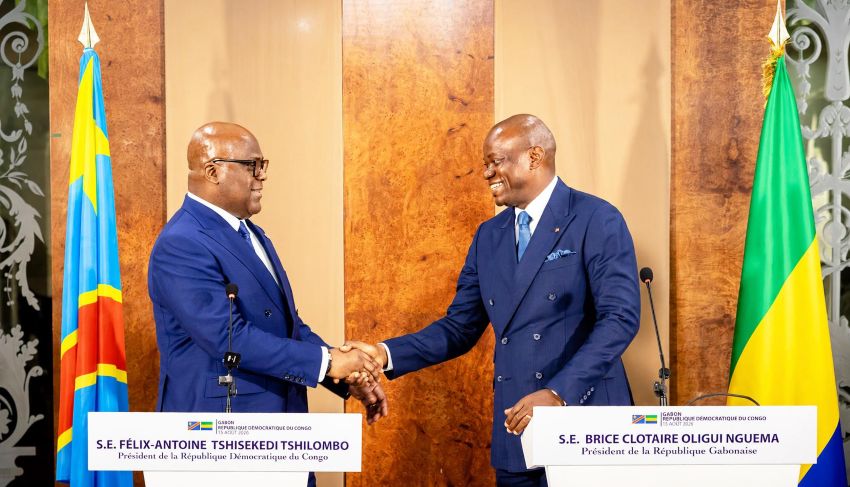
Libreville, August 15, 2026 – Félix-Antoine Tshisekedi Tshilombo’s visit to Libreville transcended ceremonial diplomacy. His exchanges with Gabonese counterpart Brice Clotaire Oligui Nguema revealed an ambitious vision: transforming bilateral relations into engines of economic growth, regional stability, and continental solidarity.
Three landmark agreements emerged from the talks, marking the beginning of a new chapter in Gabon-DRC cooperation.
The timing held special significance, coinciding with Gabon’s 66th independence anniversary. More than a diplomatic courtesy, Tshisekedi’s presence symbolized deep-rooted solidarity between the two nations. The discussions spanned critical sectors including agriculture, infrastructure, energy, mining, health, education, digital transformation, and cultural exchanges.
At the core of these negotiations lay a shared philosophy: leveraging abundant natural resources to create local value, generate employment, and strengthen intra-African knowledge and capital flows.
From historical ties to economic powerhouse
A key focus was accelerating local processing of natural resources. Both leaders emphasized reducing dependence on raw material exports while building higher-value industries within their borders.
Oligui Nguema outlined Gabon’s ongoing reforms in digitalization, women’s empowerment, youth employment, and resource valorization. Tshisekedi welcomed these initiatives and reiterated Kinshasa’s commitment to deepen collaboration with Libreville.
While economic cooperation dominated the agenda, security challenges also featured prominently. The presidents addressed transnational crime, regional integration, and peacebuilding – all prerequisites for sustainable development. Their discussions extended to the Congo Basin, a vital ecological zone requiring cross-border conservation strategies.
Climate financing emerged as another potential collaboration area, particularly concerning carbon pricing mechanisms. In an era where African nations seek greater recognition for their climate contributions, a unified Gabon-DRC stance could strengthen continental negotiating positions.
This strategic alignment extends to international platforms. Libreville is seeking Kinshasa’s endorsement for its candidacy to the International Telecommunication Union Council (scheduled for Doha in November 2026) and to host the 2027 African Union Summit – a milestone that would mark Gabon’s return to major continental events 50 years after hosting the 1977 gathering.
Three agreements to turn vision into reality
The visit’s tangible outcomes came in the form of three comprehensive agreements:
- Comprehensive Cooperation Framework: Covers justice, environment, health, and mining sectors with emphasis on local resource processing
- Visa Exemption Agreement: Facilitates movement for diplomatic and official passport holders
- Diplomatic Consultation Mechanism: Establishes regular high-level political dialogue
A Joint Commission will oversee implementation, representing the true test of this new partnership. The challenge now lies in translating these agreements into concrete projects, investments, and tangible benefits for both populations.
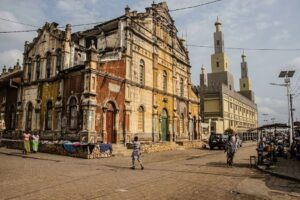
The visit concluded at Libreville’s Sainte-Marie Cathedral, where both leaders paused for reflection. The solemn moment carried particular resonance for Congolese observers, evoking memories of a 2018 mass celebrated in honor of Étienne Tshisekedi.
Beyond these symbolic gestures, the core objective remains clear: transforming historical proximity into collective strength. The framework is set; now comes the implementation phase. As both nations move forward, the spotlight shifts from declarations to measurable results.
Modern Africa requires more than declarations of solidarity – it demands organized, financed action. Between Libreville and Kinshasa, the time for action is now.