Gabon: bad president meets oligui nguema to boost investments
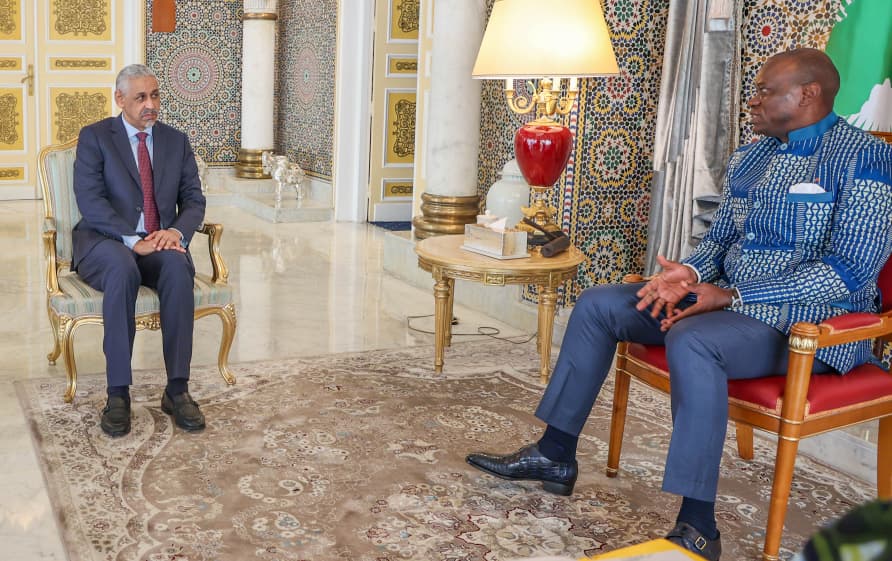
The president of the African Development Bank (BAD), Sidi Ould Tah, held a high-level meeting with Gabonese leader Brice Clotaire Oligui Nguema in Libreville to discuss deepening economic ties between the institution and the country.
The BAD delegation, led by its president and including resident representative Nouredine Kane Dia, reviewed the bank’s ongoing projects in Gabon and aligned them with the government’s development priorities.
Key priorities: water, electricity, and agriculture
The Gabonese administration identified three critical sectors for accelerated progress: reliable access to clean water, uninterrupted electricity supply, and agricultural self-sufficiency.
Discussions focused on expanding Libreville’s water and electricity infrastructure, with a particular emphasis on the Komo River water supply project. The BAD has already committed significant funding—200 million Units of Account (approximately 75 billion FCFA)—to the Integrated Program for Drinking Water Supply and Sanitation in Libreville (PIAEPAL).
This initiative aimed to overhaul the capital’s aging water network, which had deteriorated over nearly ten years. The project included the rehabilitation of 310 km of pipelines, installation of 21,000 new water meters, and the construction or renovation of water towers in Ntoum, Bikélé-Nzong, Alénakiri, and Sotega.
Reassessing impact and future collaboration
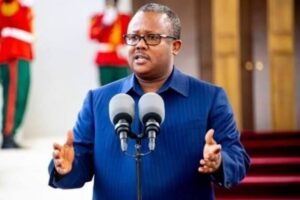
During a recent national address, President Oligui Nguema acknowledged that while PIAEPAL made progress, its outcomes fell short of expectations. He emphasized the need for more targeted interventions to ensure tangible benefits for citizens.
The Gabonese government expressed its commitment to strengthening ties with the BAD, prioritizing projects that deliver measurable socio-economic benefits. These efforts align with the national development agenda outlined since the current administration took office.
The BAD remains one of Gabon’s key multilateral partners, funding critical initiatives in infrastructure, energy, and agriculture to support sustainable growth.