Faure Gnassingbé intensifies efforts to restore peace in Eastern DRC
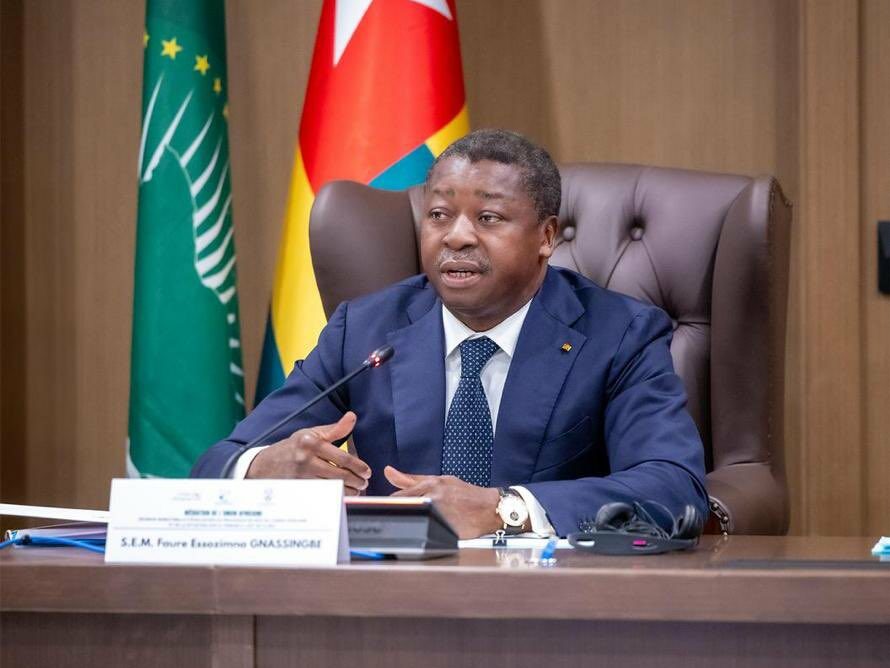
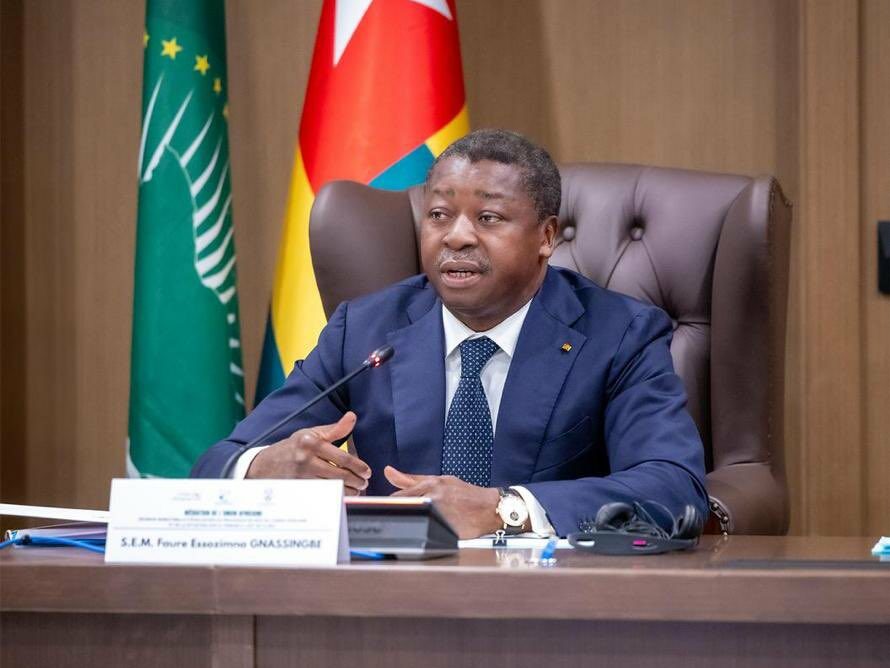
The President of the Council of Ministers of Togo, Faure Gnassingbé, acting as the African Union (UA) Mediator for the crisis in the Eastern République Démocratique du Congo (RDC) and the Great Lakes region, chaired a high-level summit in Lomé. The gathering was dedicated to the semi-annual assessment of mediation activities conducted under the continental mandate.
This strategic consultation brought together facilitators from the UA, international delegates from the ONU and the CICR, as well as representatives from regional blocs including the CAE, CEAC, SADC, and CIRGL.
Faure Gnassingbé commended the progress made in organizing the African mediation framework. He specifically highlighted the advancements achieved since the previous Lomé meeting, which focused on harmonizing and strengthening the peace process in the RDC and the surrounding region.
“We have reached a significant milestone since January by bringing more structure to the African mediation architecture,” he stated. He further expressed his conviction that the session represents a major step toward improving collective intervention and finding permanent resolutions to the ongoing crisis.
However, despite these achievements, the Mediator emphasized the critical need to maintain momentum. He stressed the importance of enhancing coordination and consistency between the various peace mechanisms currently active in that part of the continent.
While reaffirming his unwavering commitment to the mission entrusted to him by the UA, Faure Gnassingbé called for a continued collective mobilization to ensure stability in the RDC. “We will pursue this task with humility and perseverance. Even with the existing challenges, we see a strong presence of actors ready to support this quest for peace,” he noted.
To ensure the continuity of these efforts, the meeting adopted several measures to refine the mediation process. These include adjusting the work schedules for the Panel of Facilitators for the second half of 2026 and creating an operational action plan within fifteen days to detail how the latest decisions will be executed.
With a reinforced sense of shared responsibility, the participants pledged to implement these initiatives with both speed and coherence.