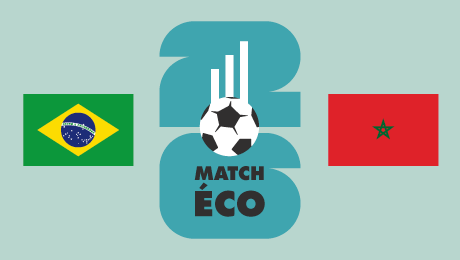
The upcoming 2026 FIFA World Cup isn’t just about goals on the pitch—it’s also shaping up as a fascinating economic face-off between Brazil and Morocco. While Brazil enters the match with notable advantages, closer examination reveals Morocco’s economy is outperforming expectations.
Brazil’s economic might meets fiscal challenges
Brazil stands as a global economic heavyweight with 212 million people and the world’s tenth-largest economy. Its GDP per capita in purchasing power parity reached $22,000 in 2024—more than double Morocco’s $10,000. This gap reflects Brazil’s advanced development, driven by a diverse industrial base, leading agricultural sector, and expanding service economy.
Yet beneath these impressive figures, Brazil’s public finances tell a different story. State debt ballooned to 83% of GDP in 2024, compared to Morocco’s 70%. While both nations carry heavy debt loads, Brazil’s trajectory raises red flags for investors due to persistent budget deficits and crippling interest payments. Morocco, meanwhile, is pursuing ambitious structural reforms to rein in debt while preparing to host the World Cup.
Score: Brazil 1 – Morocco 1
Morocco dominates on social and strategic fronts
Morocco’s economic resilience shines brightest in social indicators. In 2026, the minimum wage stands at $275 monthly in Morocco versus $226 in Brazil. This disparity reveals a critical truth: higher GDP per capita doesn’t automatically translate to better living standards for working-class citizens.
Morocco also outspends Brazil on defense, allocating 3.5% of GDP to military expenditure compared to Brazil’s 1%. This elevated spending reflects Morocco’s assertive geopolitical strategy amid regional instability. Both nations share similar life expectancy figures, with Brazil at 76 years and Morocco at 75 years.
Final score: Brazil 2 – Morocco 3
While Brazil boasts undeniable strengths, its economic benefits aren’t evenly distributed across the population. Morocco, on the other hand, demonstrates how strategic policy choices can elevate an emerging economy to compete with established powerhouses. As the World Cup approaches, all eyes will be on whether Morocco’s economic momentum translates into real-world success.