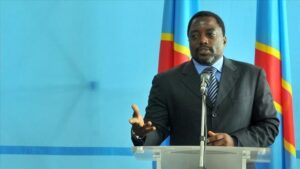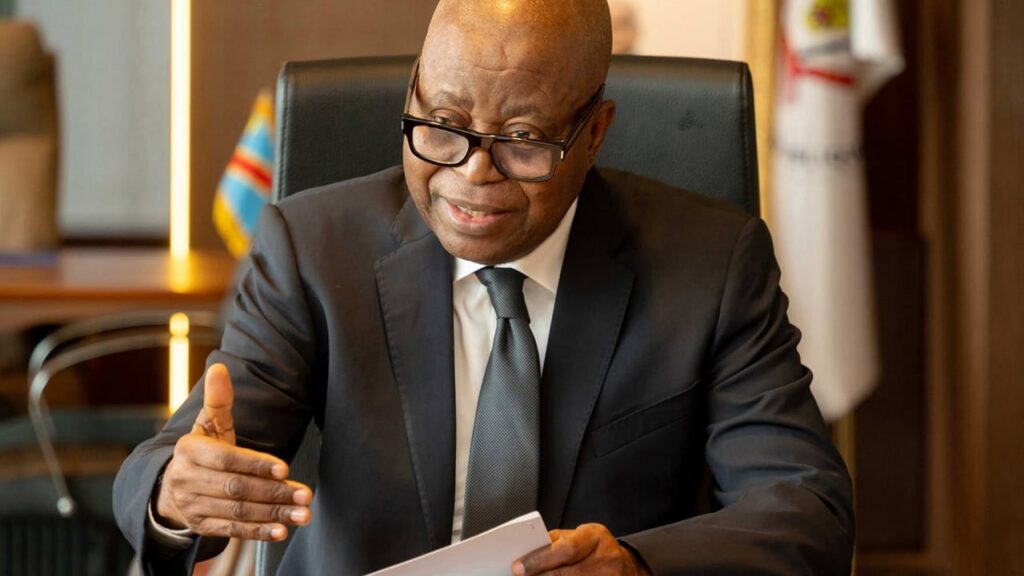
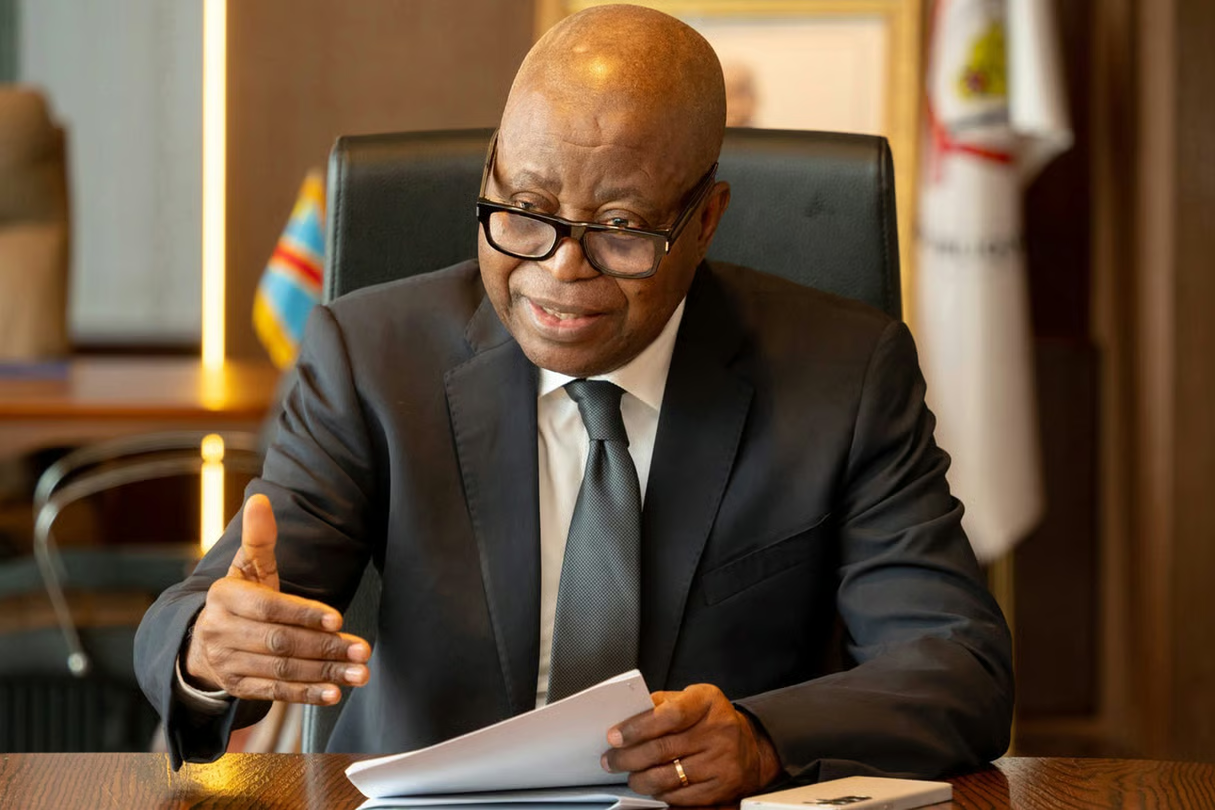
The Democratic Republic of the Congo is charting an ambitious economic course under President Félix Tshisekedi’s administration. In a bold declaration, Deputy Prime Minister and Budget Minister Adolphe Muzito outlined a transformative vision during a recent address in Kinshasa. The goal? To propel the DRC into the elite ranks of Africa’s largest economies by 2035.
Muzito’s forecast hinges on a multi-pronged strategy focused on rapid industrialization, infrastructure overhaul, and sustainable resource management. By leveraging the nation’s vast mineral wealth—including cobalt, copper, and diamonds—the government aims to diversify revenue streams and reduce reliance on traditional sectors. This strategic pivot is expected to unlock unprecedented growth opportunities across key industries.
building the foundation for economic dominance
The roadmap to 2035 rests on three critical pillars: infrastructure development, human capital investment, and technological innovation. Muzito emphasized the need for large-scale projects to modernize transportation networks, energy grids, and digital infrastructure. These efforts are designed not only to enhance domestic connectivity but also to position the DRC as a regional trade hub.
Investment in education and vocational training emerges as a cornerstone of this plan. By cultivating a skilled workforce, the DRC seeks to attract foreign direct investment and nurture homegrown enterprises. Meanwhile, targeted reforms in governance and regulatory frameworks aim to create a business-friendly environment capable of sustaining long-term economic expansion.
challenges on the path to 2035
Despite the optimism surrounding this vision, significant hurdles remain. Persistent security concerns in mineral-rich regions, coupled with logistical bottlenecks, pose immediate challenges to seamless implementation. Additionally, global market fluctuations in commodity prices could impact revenue projections, necessitating adaptive economic policies.
The government’s commitment to transparency and anti-corruption measures will be critical in maintaining investor confidence. Muzito underscored the importance of accountability, noting that sustainable growth cannot thrive in an environment of mismanagement or opacity. Collaborative efforts between public and private sectors will be essential to navigate these complexities.
a regional economic powerhouse in the making
If successful, the DRC’s transformation could reshape the economic landscape of sub-Saharan Africa. With a population exceeding 100 million and abundant natural resources, the country is uniquely positioned to emerge as a dominant force. Success would not only elevate the DRC’s global standing but also create ripple effects across neighboring nations through increased trade and investment flows.
The coming years will serve as a litmus test for the feasibility of this ambitious agenda. As policymakers, industry leaders, and citizens rally behind this vision, the Democratic Republic of the Congo stands at the precipice of a historic economic renaissance.