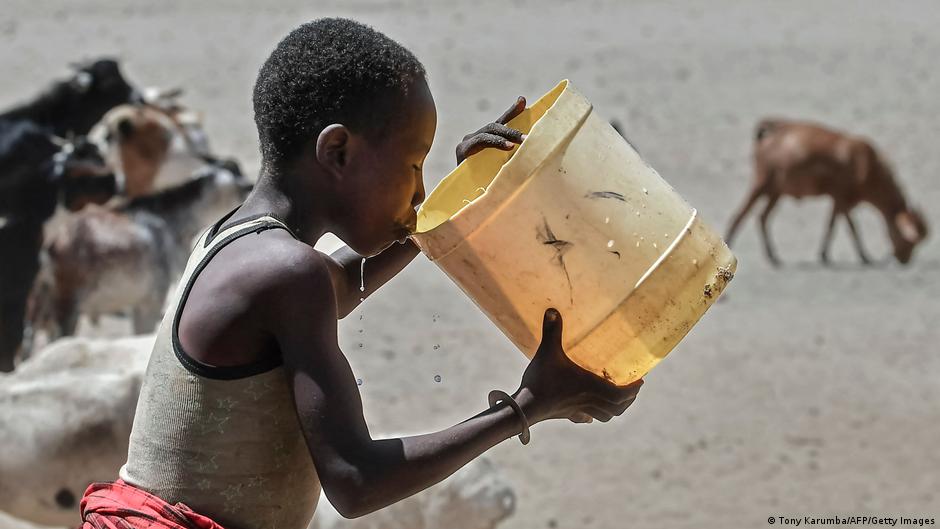
Water crisis in Chad: hope and doubt at the African Water Forum
N’Djamena is hosting the African Water Forum this week, a high-profile event co-organized with the World Bank. Under the theme “From Vision to Action,” the gathering brings together African heads of state, technical experts, and financial partners to discuss strategies for expanding access to clean water across the continent.
While the forum promises new initiatives, many Chad residents remain cautious. Official data shows that nearly 40% of the population still lacks reliable access to potable water. The disparity is stark, with rural regions such as Guéra, Wadi Fira, and Sila reporting rates as low as 10% to 21% for clean water access.
Chadians demand tangible solutions
Residents in the capital and beyond are pinning their hopes on this forum, seeing it as a chance to address a crisis that directly impacts their lives. Eliane, a homemaker in N’Djamena, voices a common sentiment: “As a Chadian woman, I hope this forum will improve access to clean water. The quality of water many people drink is appalling. If this meeting can make a difference, then it’s worth it.”
The forum aims to move beyond declarations by fostering partnerships between governments, international donors, and private investors to accelerate the development of water infrastructure. The goal is to turn political commitments into on-the-ground projects that deliver lasting change.
Skepticism lingers over past failures
Not everyone shares Eliane’s optimism. Richard, a teacher in N’Djamena, reflects a widespread sentiment: “We’ve seen these events before, but nothing ever changes. I don’t believe this forum will solve Chad’s water problems. Real change requires political will.”
Moussa, a local trader, questions the forum’s priorities: “The funds spent on organizing this event could have been used to build thousands of water points. Often, these gatherings end with recommendations that never see the light of day.”
The skepticism stems from years of unmet promises and a persistent gap between policy and implementation, particularly in rural areas where water scarcity exacerbates poverty and health risks.
Inequities highlight urgent needs
The national average of 63.5% access to clean water masks severe regional disparities. In provinces like Guéra, Wadi Fira, and Sila, only a fraction of the population—between 10% and 21%—has access to safe drinking water. Many communities still rely on contaminated sources, leading to waterborne illnesses and malnutrition.
The National Human Rights Commission (CNDH) has urged authorities to prioritize water infrastructure, sanitation, and climate-resilient water management. “Access to water is not just about survival; it’s fundamental to peace, social cohesion, food security, and human development,” emphasized CNDH President Belngar Larmé Laguerre. The commission also called on international partners to step up support for sustainable solutions that can withstand the challenges of climate change.
Questions raised about governance
Another concern has emerged: the forum’s organization was assigned to the Ministry of Finance, Budget, Economy, Planning, and International Cooperation rather than the Ministry of Water. This decision has sparked debate among observers and sector professionals, who view it as a sign of flawed governance in water policy.
For millions of Chadians, the stakes could not be higher. The forum represents more than a discussion—it’s a test of whether a nation plagued by water insecurity can finally turn the tide and deliver on its promises.