L’opportunité du dialogue politique en RDC
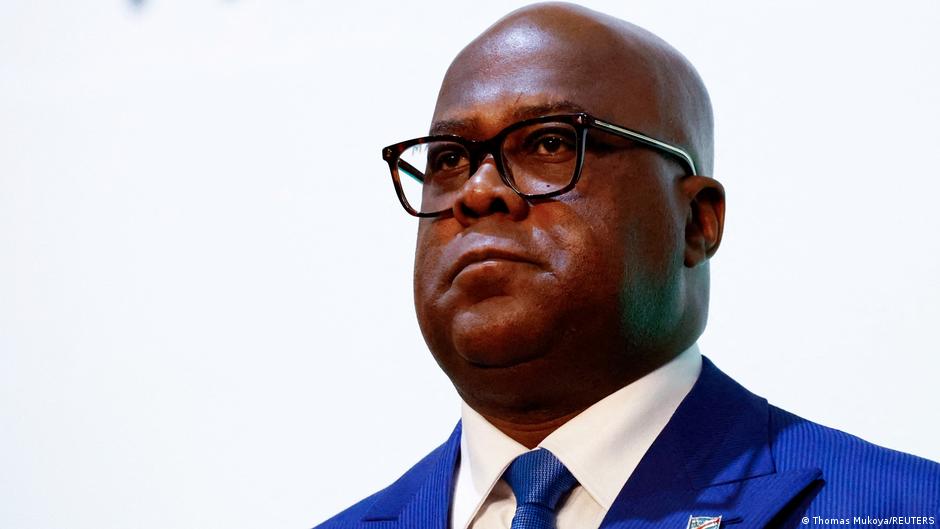
President Félix Tshisekedi of the Democratic Republic of Congo announced on July 17, 2026, his in-principle agreement to convene an inclusive, peaceful, and republican national dialogue. This pivotal decision emerged following a crucial meeting with the country’s leading religious confessions. The anticipated discussions are expected to tackle a range of critical national concerns, including:
- The persistent insecurity plaguing the eastern regions of the nation;
- Escalating political tensions across the country;
- Issues related to national governance;
- Socio-economic challenges and hardships;
- Necessary reforms aimed at solidifying peace and democratic principles.
At this juncture, several key organizational aspects of the dialogue remain to be clarified:
- The precise date for the commencement of the dialogue;
- The list of official participants;
- The definitive agenda for discussions;
- The specific organizational procedures, which are expected to be outlined in a forthcoming presidential order.
Why is this DRC national dialogue crucial now?
This initiative is primarily designed to:
- Strengthen the bonds of national cohesion;
- Effectively confront the enduring security crisis prevalent in eastern DRC;
- Cultivate a more tranquil political environment;
- Unite the nation’s diverse vital forces, all while upholding constitutional mandates.
Many observers view this development as a significant evolution in the government’s stance. For over a year, various stakeholders, including religious institutions, segments of the opposition, and civil society organizations, have consistently advocated for a broad national dialogue.
The opposition coalition has publicly welcomed President Tshisekedi’s announcement, subsequently postponing a planned demonstration in Kinshasa initially scheduled for July 22, 2026. However, the coalition has issued a clear demand to the Head of State: officially convene the dialogue before August 15, 2026. Failure to do so, they warn, will lead to a resumption of citizen mobilizations.
Experts analyzing the timing and potential impact of this political dialogue in the DRC offer diverse perspectives:
- Bob Kabamba, Professor of Political Science at the University of Liège (Belgium), provides academic insights into the dynamics at play.
- Martin Ziguélé, former Central African Prime Minister and President of the Central African People’s Liberation Movement (MLPC), shares his experience from a regional political standpoint.
- Trésor Kibangula, Political Pillar Director at Ebuteli, a Congolese research institute focusing on politics, governance, and violence in Kinshasa and Goma, offers a local perspective on the challenges and opportunities.