- Benin
- Society
diplomatic thaw between Benin and Niger leaves activist Kemi Seba on the sidelines
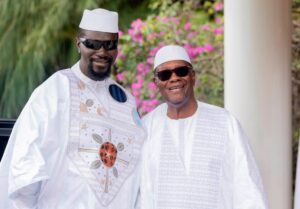
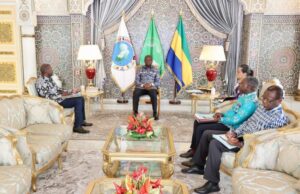
A high-level meeting between Benin and Niger on June 2, 2026, marked a turning point in bilateral relations after months of strained ties. President Romuald Wadagni of Benin traveled to Niamey to engage directly with Nigerien authorities, signaling a renewed commitment to resolving the dispute.
The visit followed Niger’s representation at President Wadagni’s inauguration in Cotonou by its Prime Minister, which preceded the dispatch of a Beninese delegation to Niamey. This reciprocal engagement underscores both nations’ determination to restore diplomatic and economic exchanges. Nigerien officials welcomed the delegation with full protocol, emphasizing their readiness to reopen channels of cooperation.
Activist’s fading influence
As the two governments move toward reconciliation, the potential reopening of borders between Benin and Niger could revitalize cross-border trade and mobility. However, this development leaves activist Kemi Seba in an increasingly isolated position. His past public opposition to the resolution of the conflict and alignment with factions opposed to Benin’s leadership have strained his standing in both countries.
Once a close associate of Niger’s military leader, General Abdourahamane Tiani, Seba had openly criticized Beninese authorities over the unresolved coup attempt against President Patrice Talon. Now detained in South Africa awaiting extradition proceedings, Seba faces legal challenges and diminished political support. Niger’s current government has distanced itself from him, and Benin has formally requested his extradition—leaving him without allies in either nation.
As Benin and Niger restore institutional ties, Seba’s activism appears to have lost its earlier traction, leaving him marginalized in a shifting regional landscape.