decaying douala bafoussam highway fuels safety concerns in Cameroon
Cameroon’s National Road 5, a critical economic lifeline connecting Douala to Bafoussam and Bamenda, is in a state of severe disrepair. The once-vital artery now carries a grim reputation for being one of the country’s most dangerous highways, plagued by crumbling infrastructure and alarmingly high fatality rates.
The degradation stems from relentless heavy vehicle traffic, chronic underinvestment in maintenance, and intensifying climate impacts. Rising rainfall levels have further eroded the road’s already fragile foundation, turning stretches of this vital route into hazardous obstacles.
A treacherous journey on Cameroon’s most dangerous road
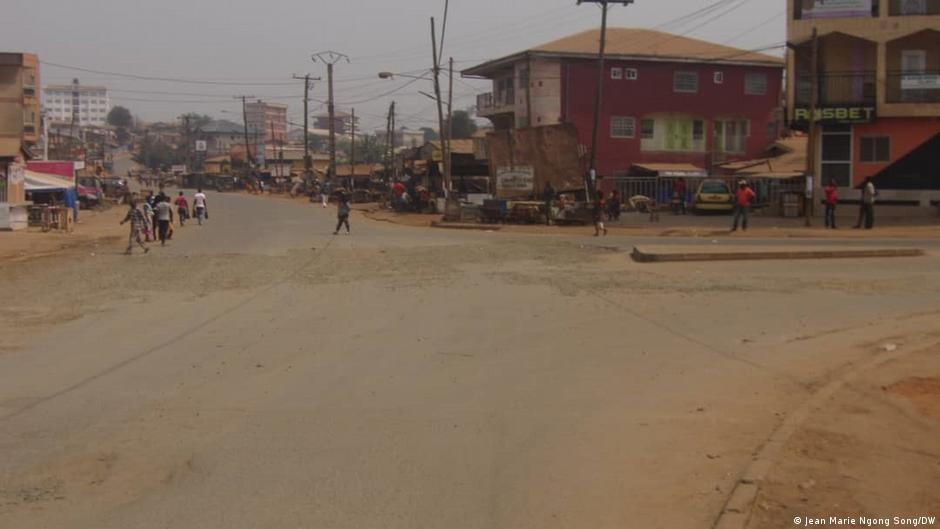
Traveling along National Road 5 from Douala to Bafoussam has become a nightmare for commuters. Once a smooth 3.5-hour drive, the 250-kilometer route now demands marathon stamina—often stretching journeys to 10 grueling hours. Torrential rains regularly flood the asphalt, gouging out massive potholes and triggering sinkholes that swallow entire lanes.
Bus drivers are forced to navigate precarious detours, adding both time and risk to an already perilous trip. Alice, a passenger on a recent journey, described her ordeal: « We left Bafoussam 14 hours ago. The main road was completely impassable in the Haut-Nkam area. We had to take a detour via Yaoundé—heading in the opposite direction—before cutting back at Bagangté to rejoin the Douala route. We arrived exhausted, our bodies aching from the ordeal. »
The ‘triangle of death’: a death trap in the west region
The West Region’s rugged terrain, compounded by relentless rainfall, makes this highway particularly vulnerable. On November 5, 2024, the Dschang cliff collapse—where a double landslide engulfed buses and cars—claimed 14 lives, starkly highlighting the road’s vulnerability to extreme weather.
Dubbed the ‘Triangle of Death’—spanning Douala, Yaoundé, and Bafoussam—this corridor is estimated to account for nearly 100 road deaths monthly. For survivors, reaching their destination often feels like escaping a death sentence. One traveler shared his relief upon arrival: « I got in at 2 a.m. today. It was a nightmare. I’d even suggest agencies reroute trips via National Road 3 to Yaoundé, then take National Road 6 to Bafoussam—even if it costs double. Better that than risking 10 or 11 hours on the National 5, only to arrive in pieces. »
Government pledges rehabilitation amid public outrage
In response to the crisis, authorities have earmarked 180 billion CFA francs for road repairs. Yet frustration is mounting among drivers and passengers, who decry paying tolls for a road that resembles a gravel path. Mika Séma, a transporter, voiced his anger: « Tolls are meant to fund maintenance. But when there’s no road to maintain, why should we pay? The government must act—Cameroon cannot afford to lose more lives on this death trap. »
With climate patterns growing more erratic and no large-scale repairs in sight, the Douala-Bafoussam highway remains a ticking time bomb, threatening to claim more lives with each passing rainy season.