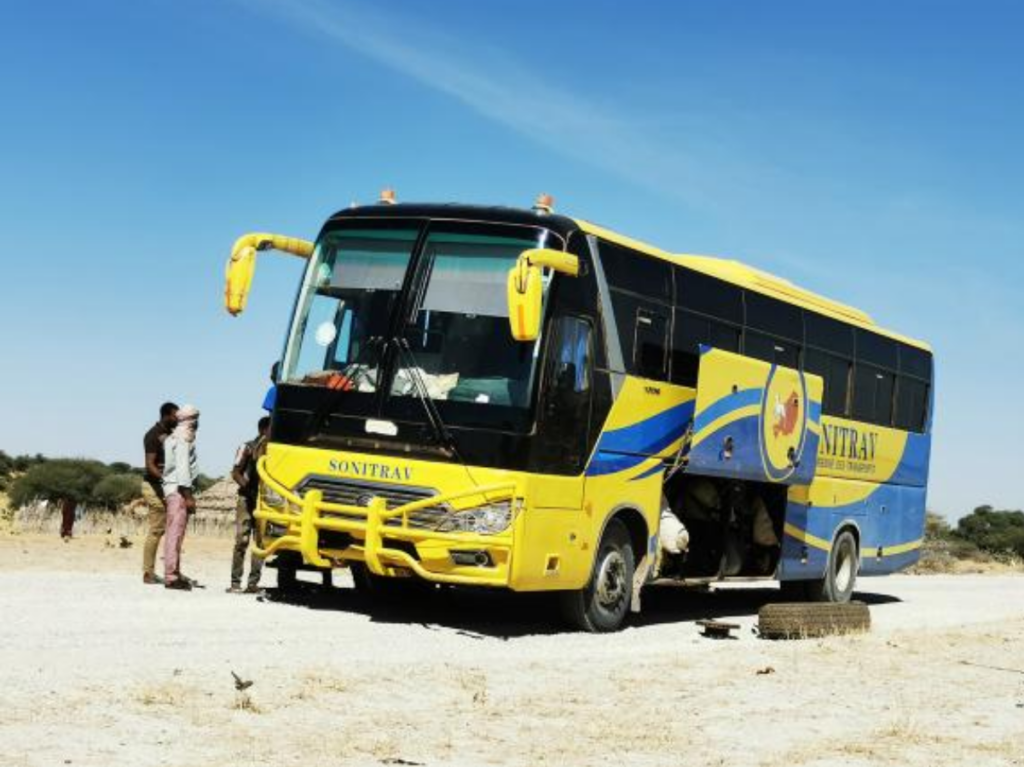
Eleven lives lost in a sudden outbreak of violence on a critical transport corridor
Agadez, Niger — A violent ambush on October 20 targeted passenger buses traveling the Agadez-Arlit highway, a vital trade and transit route in northern Niger. Initial reports indicate at least eleven fatalities, including ten civilians and one member of the national security forces, along with multiple serious injuries. The attack, described as unusually intense, has left communities in shock and raised urgent questions about the safety of one of the country’s most important transport arteries.
How the attack unfolded and why it matters
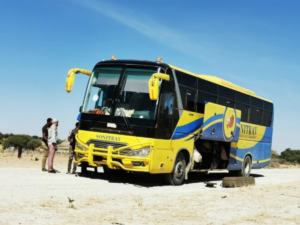
Witness accounts describe armed assailants arriving in three vehicles and opening fire on a convoy of buses approximately 35 kilometers from Agadez. Security forces reportedly responded, leading to intense gunfire exchanges. The provisional death toll reflects not only a human tragedy but also the fragility of travel security in a region where road networks are central to daily life and commerce.
With no official claims or confirmed identities of the attackers, the motives behind the assault remain unclear. Authorities have yet to release verified details, underscoring the need for caution as information continues to be verified.
Agadez-Arlit: a lifeline under threat
The Agadez-Arlit highway is more than a road—it is a critical link connecting northern Niger’s main urban centers, including Agadez, a historic trading hub, and Arlit, a key mining and commercial center. For thousands of residents, this route is essential for accessing healthcare, education, and economic opportunities. When security breaks down here, the ripple effects are immediate and widespread.
Local transporters now face mounting uncertainty. Many may delay shipments or suspend services, increasing travel costs and disrupting supply chains. Families, already coping with economic pressures, are left grappling with fear—each journey now carries the risk of violence. In a region where alternatives are scarce and distances vast, the psychological and economic toll of such attacks is profound.
Security challenges in the Sahara: why protection is so difficult
The vast, sparsely populated Sahara poses unique challenges for security operations. Remote terrain, limited infrastructure, and the sheer scale of the territory make monitoring and rapid response extremely difficult. These conditions allow armed groups to operate with relative freedom, targeting civilians and vital transport routes with little warning.
The presence of security personnel on the bus, if confirmed, raises further concerns about preparedness and response protocols. Investigations must clarify how the attack unfolded, whether adequate protection was in place, and how injured passengers were evacuated. Transparency will be crucial in restoring public confidence and guiding future security strategies.
Families in crisis: the human cost of road insecurity
Behind every statistic are real people—farmers heading to markets, students returning home, traders transporting goods, and families reuniting. The eleven lives lost represent broken plans, unmet obligations, and shattered families. Survivors with serious injuries require urgent medical care, while grieving relatives demand clarity and accountability.
In the digital age, unverified images and rumors can deepen trauma. Authorities and community leaders must prioritize accurate, timely communication to prevent misinformation from worsening the crisis. Compassionate support for victims’ families must go hand in hand with efforts to bring those responsible to justice.
What comes next? Calls for action and accountability
As investigations continue, several priorities emerge. First, the exact circumstances of the attack must be established, including the identities of the victims and assailants. Second, a coordinated security response is needed to reassess protection measures on vulnerable routes. Finally, open communication with the public will help rebuild trust and reduce fear among travelers and transporters alike.
For the people of northern Niger, the question is no longer just about who attacked the buses—but how to ensure that no one else has to pay the price of traveling on their own country’s roads.