The appointment of Senegal’s new government, led by Prime Minister Ahmadou Al Aminou Mohamed Lô, has sparked controversy. Comprising 30 ministers, the team includes technocrats and allies of President Bassirou Diomaye Faye, but notably excludes key figures from the Pastef party—despite its leader, Ousmane Sonko, being a member. This exclusion has deepened the rift between President Faye and Ousmane Sonko, intensifying political divisions in the country.
a coalition divided: the pastef’s absence
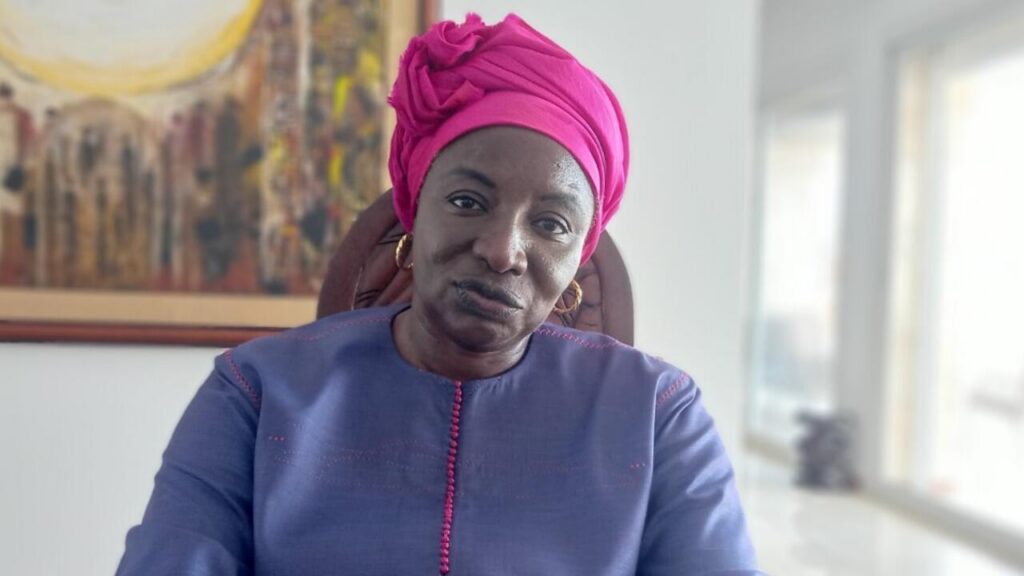
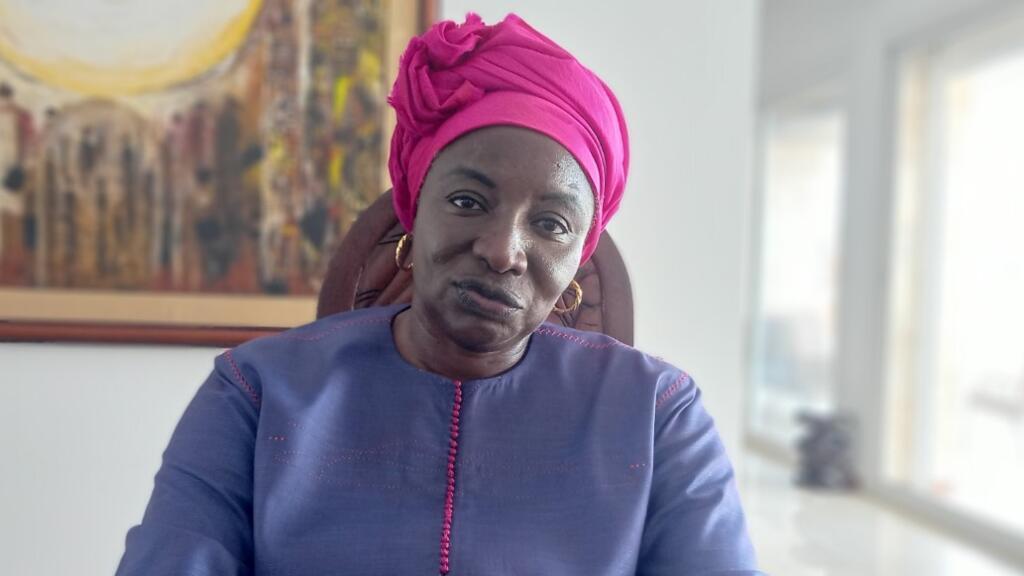
Aminata Touré, Supervisory General of the Diomaye Président coalition, spoke to Dakar Voice about the new government’s formation and the ongoing political tensions. She emphasized that the government’s legitimacy stems from the democratic election of President Bassirou Diomaye Faye, who won 54% of the vote and has the constitutional authority to appoint the Prime Minister and approve the cabinet. Touré dismissed concerns about the government’s democratic credentials, framing it as a team focused on efficiency and addressing the urgent needs of Senegalese citizens.
How do you respond to critics who question the government’s legitimacy, given the absence of major Pastef figures?
Aminata Touré: The core principle here is democracy. President Bassirou Diomaye Faye was democratically elected, and it is his prerogative to appoint the government. The Prime Minister, in consultation with the President, proposed this team, which prioritizes effectiveness and action. Senegalese citizens are primarily concerned with tangible progress, not political infighting. This government reflects that priority.
cohabitation and institutional stability
With the Pastef holding a majority in the National Assembly—led by Ousmane Sonko—the question of whether governance will be hindered looms large. Touré acknowledged the challenges but stressed the importance of institutional respect and national interests taking precedence over personal or partisan interests.
Given the perceived cohabitation, do you fear governance could become difficult?
Aminata Touré: First, it’s essential to note that President Bassirou Diomaye Faye is a member of the Pastef, as are several ministers in this government. This is an internal party matter. If all institutions—executive, legislative, judicial, and constitutional—fulfill their roles with the nation’s best interests in mind, there should be no issues. We must avoid using institutions to settle personal scores or prolong political disputes. The people of Senegal deserve stability, not endless institutional conflicts. They will judge the government based on its actions.
redressing political morality: accountability vs. settling scores
Critics argue that the absence of key Pastef figures signals a departure from the party’s promise of political moralization. Touré firmly rejected this notion, drawing a clear distinction between accountability and personal vendettas.
Some argue that the government’s formation marks the end of the Pastef’s promise of political accountability. Do you share this concern?
Aminata Touré: Why would it be the end? Perhaps it marks the beginning of a more robust accountability process, aligned with judicial independence. Accountability is not about settling scores. I have served as Minister of Justice, so I speak from experience. You may dislike a political opponent, but that alone does not justify a judicial conviction. President Bassirou Diomaye Faye remains committed to accountability, but not to personal vendettas.
economic challenges: debt and the IMF
Ousmane Sonko has long opposed restructuring Senegal’s debt with the International Monetary Fund (IMF). Touré addressed this issue, framing it as a practical challenge rather than an ideological one.
Will the new government adopt a different approach to the country’s debt and potential IMF restructuring?
Aminata Touré: This isn’t an ideological debate; it’s a practical one. You owe money to creditors, and you’re struggling to repay it—whether due to underestimation or concealment of the debt. The solution lies in reprofiling the debt and negotiating with partners. However, these partners must understand that drastic measures like restructuring from the 1980s—where social programs were slashed and poverty deepened—are not an option. It took decades to recover from those structural adjustments. Today, we aim for a sustainable strategy that benefits both the country and its people. Reprofiling the debt is necessary, but it must be done responsibly.
2029 elections: ambition and national priorities
With the 2029 presidential election on the horizon, speculation about political ambitions and potential sabotage of the government’s actions has intensified. Touré dismissed these concerns, framing them as distractions from the urgent needs of the Senegalese people.
Could the Pastef’s refusal to join the government be seen as a strategy to undermine President Faye’s governance in favor of Ousmane Sonko’s 2029 ambitions?
Aminata Touré: Ambition is natural; everyone has the right to aspire to the presidency. We cannot fault anyone for wanting to lead, just as we cannot prevent President Bassirou Diomaye Faye from expressing his intent to continue his work through a second term. However, the central issue is the will of the Senegalese people. They do not want a three-year electoral campaign that distracts from addressing their pressing problems. What they need now is decisive action to resolve the challenges they face. That is the priority. The electoral competition will come in time. Sabotaging the government would mean betraying the ambitions of the Senegalese people. I hope that is not anyone’s intention. As I’ve said before, democracy must be allowed to function. Diverse opinions are inevitable, but the focus must always remain on the country’s best interests.