preserving Senegal’s railway heritage: the enduring legacy of Dakar and rufisque stations
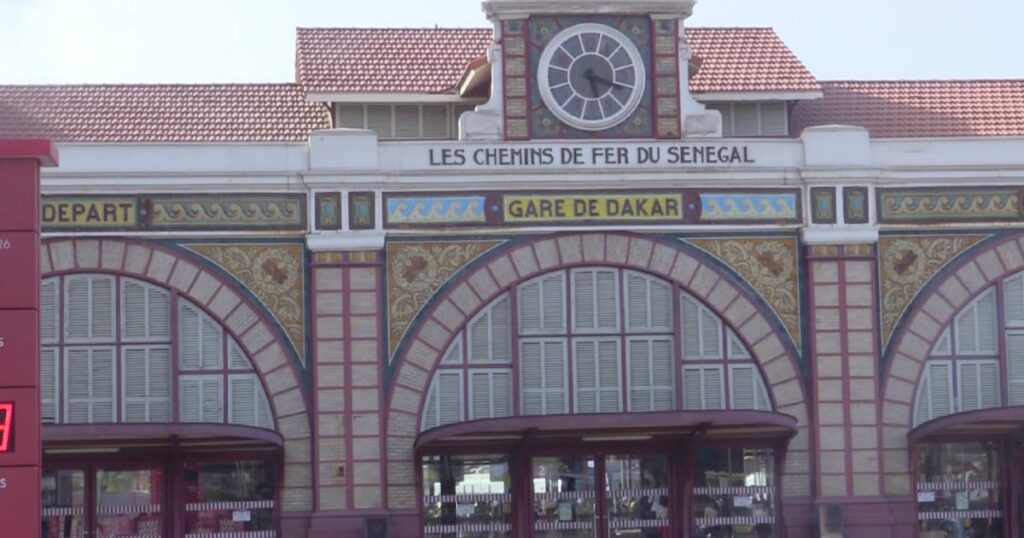
Even with renovations for the Train Express Régional (TER), the historic essence of Dakar and Rufisque’s train stations remains untouched. This deliberate choice preserves their architectural heritage, now safeguarded and celebrated as national treasures.
a journey through time: the birth of two iconic stations
The Dakar train station, built in 1914, once stood as the beating heart of the Dakar-Niger railway network. Long before Senegal’s independence, it embodied the economic growth and trade dynamics of French West Africa. Similarly, the Rufisque station played a pivotal role as a key commercial hub, linking the port city to the country’s interior regions through the peanut trade.
from decline to revival: how the TER breathed new life into aging structures
After decades of neglect following the rise of road transportation, both stations have been revitalized through the TER project launched in 2019. Today, they stand as proud symbols of resilience, blending history with modern functionality.
more than stations: windows into Senegal’s past
For many, these stations are far more than transit points—they are living museums of Senegal’s history. Amadou Diallo, a lifelong resident of Dakar, emphasizes the importance of preserving their original architecture. “Keeping the Dakar station’s design intact is about safeguarding our collective memory. These structures, now recognized by UNESCO, serve as open-air history books for future generations. It’s vital for children born post-independence to understand this heritage and witness the progress we’ve made.”
Traveler Moustapha Fall shares this sentiment, praising the stations’ architectural beauty as a major attraction. “The colonial-era design, with its preserved elements and subtle modern updates, offers a glimpse into the past. The station’s grandeur draws visitors who come not just to travel but to capture its timeless elegance in photographs.”
unesco recognition and urban pride
Recognized as historic monuments of Senegal, the stations now symbolize the harmony between tradition and innovation. The Old Rufisque district, home to the station, has been on UNESCO’s tentative list since 2005, underscoring its global significance as a cultural and architectural landmark.
For frequent travelers like Victor Hugo Manga, these stations bridge generational gaps in an era of rapid modernization. “Every day, locals and visitors alike pass through these stations, discovering a piece of our ancestral history. With the TER’s arrival, we’re ensuring that future generations understand the evolution of their heritage and the progress we’ve achieved.”
a seamless blend of past and progress
Dakar and Rufisque’s train stations stand as silent guardians of Senegal’s collective memory. Far from being mere functional spaces, they represent the country’s refusal to erase its past in the face of modernization. As the TER continues to shape the future, these stations remain steadfast, preserving their identity while embracing the present.