The Dakar Urban Security has uncovered a sophisticated counterfeit operation specializing in forged visa approval letters, exposing the growing complexity of irregular migration networks passing through Senegal. A key suspect, linked to what investigators describe as a Chinese network, was detained following a coordinated operation by the capital’s police force. The case, highlighted by local media, once again underscores the consular vulnerabilities plaguing West Africa’s administrative systems.
False consular documents ring busted in Dakar
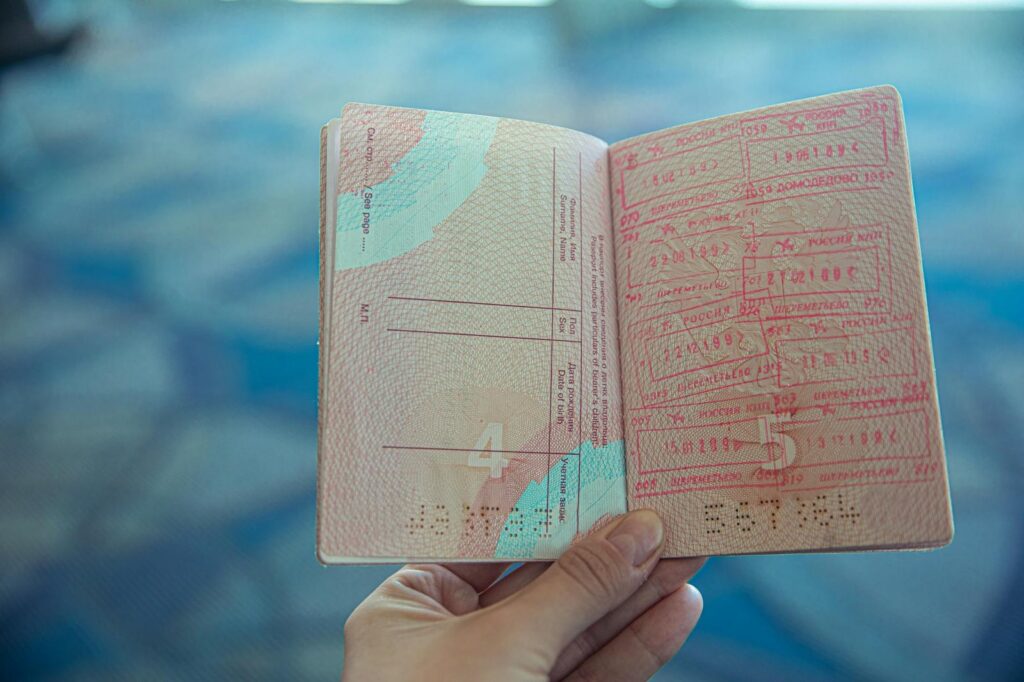
Investigations revealed a well-organized system producing counterfeit approval letters—documents often required before visa issuance by certain diplomatic missions. When genuine, these papers serve as crucial administrative permits, heavily sought after by prospective travelers. The arrest of a suspected operative, identified as a mid-level player in the scheme, followed weeks of covert surveillance. Authorities are now tracing the masterminds and end beneficiaries, with strong indications of cross-border collaboration involving offshore intermediaries.
Senegal: a regional hotspot for document trafficking
Dakar has long served as a pivotal migration and consular hub in West Africa. Its dense network of diplomatic missions and robust air connections to Europe, Asia, and the Middle East make it both a gateway for legal travelers and a magnet for illicit document brokers. In recent years, Senegalese authorities have intensified crackdowns on counterfeit document rings, targeting fake passports, visas, and civil registry documents alike.
The Foreigners and Travel Documents Police Directorate (DPETV) and Urban Security units work closely to dismantle these networks. Chinese, African, and Middle Eastern syndicates uncovered in past cases now employ advanced printing technologies, sometimes with internal collaborators embedded in administrative or private service structures. This technological leap challenges both consular staff and law enforcement in detecting fraud.
Sovereignty and international cooperation at stake
Beyond legal consequences, the scandal raises critical concerns about the integrity of consular document chains. Destination countries—including those in Europe, Asia, and the Gulf—demand stricter validation of supporting documents. Each instance of documented fraud risks eroding trust in Senegalese-issued credentials, potentially leading to stricter vetting for all applicants.
The Chinese dimension of this ring, as noted by investigators, reflects the deepening economic ties between Asian communities and Dakar’s commercial landscape. While Senegal values legitimate business ties that boost investment and employment, it remains vigilant against criminal activities tarnishing the nation’s reputation. If the investigation reveals transnational links, bilateral judicial cooperation may be activated to address the fallout.
The detained suspect is set to face Dakar’s public prosecutor after completing a mandatory holding period. Charges likely include criminal conspiracy, forgery of official documents, and facilitation of irregular migration. Further inquiries will determine the full scope of the network and the number of fraudulent documents circulated in the shadowy visa market.