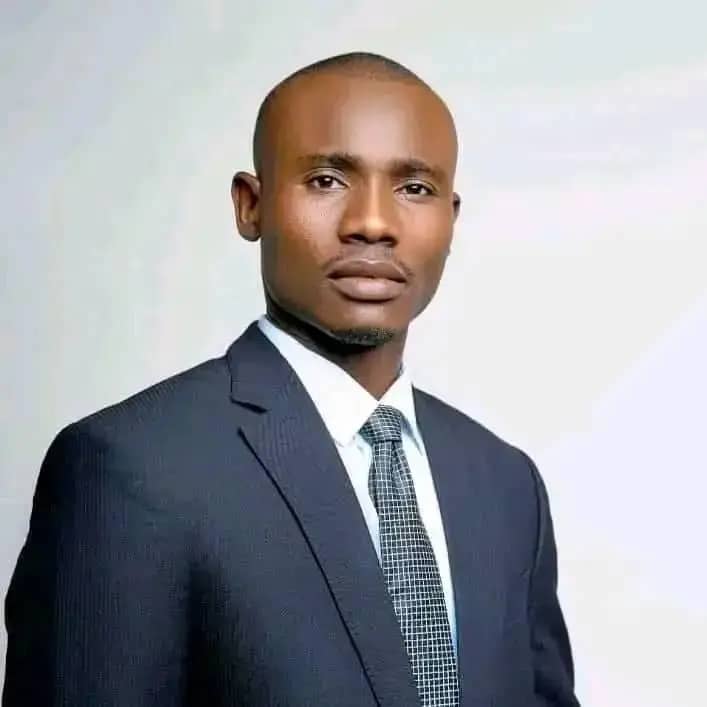
Understanding the current state of opposition in Chad
Chad’s political landscape is facing unprecedented pressure as the Supreme Court dissolves the GCAP coalition and sentences its eight top leaders to eight years in prison. These judicial measures have severely weakened what little remained of the organized opposition, according to political scientist Abouna Alhadj. He argues that this crackdown is merely the surface of a deeper crisis—one that questions the opposition’s ability to reinvent itself and unite against a regime that has firmly dictated its own priorities.
Immediate consequences for opposition groups
« The immediate impact is the further weakening of the opposition », states Abouna Alhadj. The sudden arrests of GCAP leaders forced the movement to abandon its planned protests and accept its dissolution. This response raises questions: Was it a sign of organizational failure, or perhaps a calculated political move?
The political scientist speculates that the GCAP might have intentionally surfaced to expose the regime’s true nature. « Could this have been a strategy to reveal the system’s true face? » he wonders, while acknowledging that its effectiveness remains uncertain.
Fragmentation and lack of unity among opposition parties
The opposition in Chad is not just weakened—it is deeply divided. « The opposition struggles to agree on fundamental issues », notes Abouna Alhadj. The imprisonment of GCAP leaders received minimal support from other political factions, highlighting the extent of this division.
The current regime has successfully framed its agenda around security, national cohesion, and unity, making it difficult for opposition groups to challenge its narrative. « If your actions do not align with these priorities, you risk being crushed—and it seems to be working », he explains. Some opposition groups have even aligned themselves with the regime’s discourse, distancing themselves from more radical factions.
Is there hope for renewal in Chad’s opposition?
When asked about potential successors, Abouna Alhadj remains cautious. He points to the Reformist Party and other smaller formations still trying to maintain a political presence. However, he emphasizes that the solution goes beyond individual leaders.
« For the opposition to regain strength, it must reorganize and adapt », he asserts. He believes a new generation of leaders is inevitable. « History shows that problems always lead to solutions. As Michel de Certeau once said, when all doors are closed, a window will always appear », he remarks.
Calls for international intervention
The political scientist urges the Chadian diaspora—known for its dynamism—to amplify advocacy efforts on the global stage. He also calls on international partners, including the United Nations and the African Union, to address the situation in Chad urgently.
« The international community cannot turn a blind eye to these arrests and convictions without fair trial guarantees. In the 21st century, this is unacceptable », he emphasizes.