Congo referendum law sparks heated debate in Kinshasa
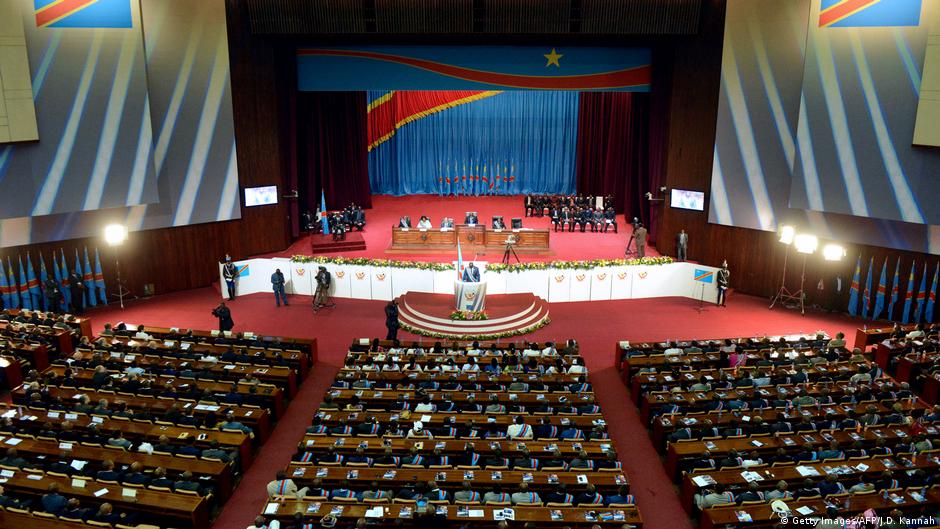
The examination of the draft law on referendum procedures erupted into intense clashes during the May 27 plenary session, particularly after opposition lawmakers from the Ensemble pour la République bloc walked out. The bill, spearheaded by Deputy Paul-Gaspard Ngondankoy, claims to address a legal vacuum by updating the framework governing popular consultations mandated by the Constitution. Its supporters argue this reform is long overdue, replacing outdated provisions from the 2005 political transition.
Steve Mbikayi, a lawmaker representing the Mont-Amba district in Kinshasa and president of the Labour Party (part of the presidential coalition), defended the initiative with conviction:
“The prerogative to determine whether constitutional or legal reforms are necessary belongs solely to the ruling majority. Nowhere in the Constitution is the opposition granted authority to initiate or challenge such reforms. Only parliament, the Head of State, or citizens through a petition of over 5,000 Congolese can propose changes. Any other action is, in my view, mere political posturing,”
opposition condemns referendum push amid security crisis
Opposition figures strongly reject the timing of this legislative effort, arguing that debating constitutional amendments while armed groups control swathes of the eastern region would be reckless. Christian Mwando of the Ensemble pour la République parliamentary group condemned the initiative as a dangerous ploy that could normalize rebellion in eastern Congo:
“Our parliamentary group urges the President to halt these maneuvers that risk legitimizing rebellion in eastern Congo. We call on the Congolese people to reject this sinister project, which threatens the very survival of our nation. This process is nothing short of a calculated conspiracy against the Democratic Republic of the Congo’s Constitution,”
protests and counter-protests planned
Aimé Boji Sangara, President of the National Assembly, clarified that the bill’s sole purpose is to establish a legal framework allowing direct citizen participation on national issues—provided conditions permit. Despite the opposition’s withdrawal, the Political, Administrative and Legal Committee declared the report admissible with proposed amendments.
The parliamentary standoff has now spilled into the streets. Opposition leaders have called for a “dead city” protest on June 3, while supporters of the ruling coalition are organizing a parallel march in Kinshasa and several provinces the same day.