Congo constitution revision faces strong opposition as Tshisekédi presses for third term
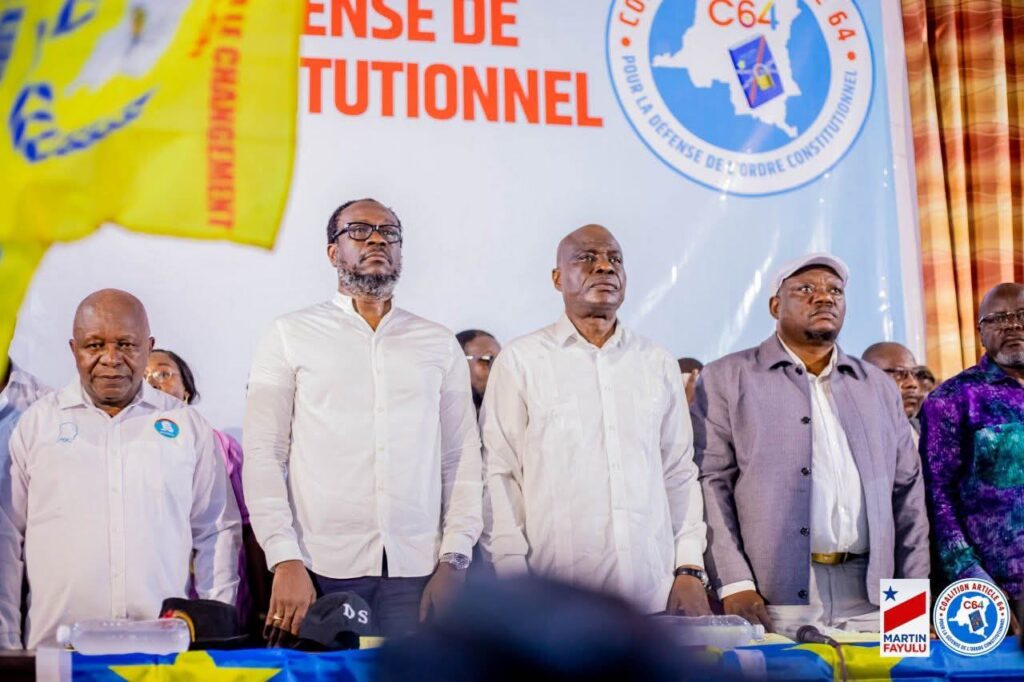
As the constitutional revision project advances, influential voices are raising alarms about potential power grabs. On June 3, opposition leaders and civil society members—united under the C 64 banner—called for a nationwide “city dead” strike to protest President Félix Tshisekédi’s bid for a third term. The turnout exceeded expectations, with Kinshasa grinding to a halt as businesses shuttered their doors.
Congo’s constitutional fate hinges on shifting ground
The opposition, emboldened by the strike’s success, is expected to escalate protests until Tshisekédi abandons his third-term ambitions. Yet the president, defiant after two constitutionally mandated terms, shows no signs of backing down. His strategy? Bypassing legislative constraints by pushing for a referendum, framing his political ambition as a democratic choice. History repeats itself in Africa, where leaders rarely organize elections they might lose.
Tshisekédi’s resolve appears unshakable. To counter opposition momentum, his allies—including pro-revision religious leaders—are mobilizing for a June 5 rally to voice support for the president. The constitutional revision’s fate now rests on raw political power. It will pass if Tshisekédi commands enough force; it will fail if opponents mobilize effectively.
Power struggles overshadow Congo’s crises
Tshisekédi’s focus on extending his tenure contrasts sharply with Congo’s mounting crises. Eastern regions remain lawless, Ebola persists, and socio-political tensions simmer. Critics argue he’s exacerbating instability instead of addressing urgent threats. Religious leaders, in a recent social pact, urged him to initiate an inclusive national dialogue to resolve Congo’s deep-rooted problems. Months later, progress remains elusive. Is Tshisekédi overestimating his strength, or will history judge him for repeating past mistakes?