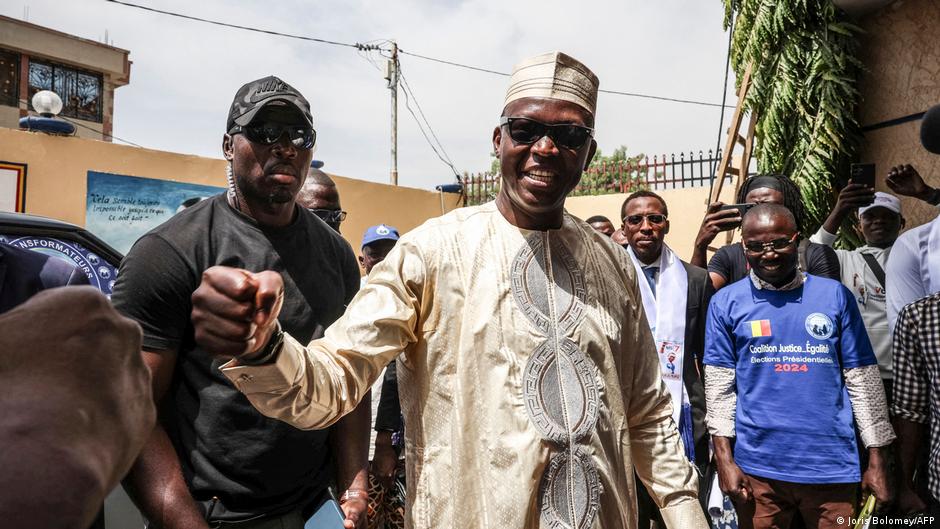
President Mahamat Idriss Déby’s decision to grant clemency to several opposition figures has sparked mixed reactions across Chad. Among those set to be released is former Prime Minister Succès Masra, who was originally sentenced to 20 years in prison for insurrection, along with eight other leaders from opposition parties affiliated with the GCAP coalition.
While the presidential pardon cancels their prison sentences, it does not erase their convictions. This means the released leaders remain ineligible to run for office, retain their criminal records, and face ongoing civil and financial penalties—distinguishing clemency from a full amnesty, as political analyst Bétinbaye Yamingué points out.
“The president has demonstrated leadership by exercising his constitutional authority to free these political figures. Now, the ball is in Parliament’s court to take meaningful action,” Yamingué stated.
Parliament holds the key to true reconciliation
In Chad, only the National Assembly has the power to pass an amnesty law. However, the current legislature is dominated by the ruling party, which controls 124 of the 188 seats.
“Granting freedom is just the first step. For this clemency to have lasting impact, these leaders must be fully reinstated in the political arena. Otherwise, today’s gesture may be seen as a mere political maneuver tomorrow,” Yamingué added.
A divided response
Reactions to the clemency announcement have been far from uniform. The Transformers party, led by Succès Masra, has yet to issue an official statement, with a spokesperson stating that the party prefers to wait until its leader is physically released before commenting.
Ndolembai Sadé Njesada, the party’s vice president, publicly praised the decision, thanking President Déby for advancing “the spirit of national unity” and expressing hope for an open dialogue to foster peace.
In stark contrast, Hissein Abdoulaye, spokesperson for the GCAP coalition, condemned the clemency as insufficient. He argued that pardoning political figures while stripping them of their civil and political rights represents a serious democratic setback.
The ruling MPS party, however, has welcomed the move, describing it as a positive step that will allow the released leaders to reunite with their families.