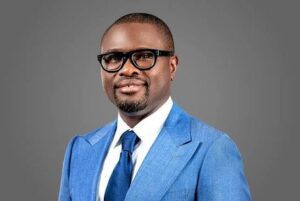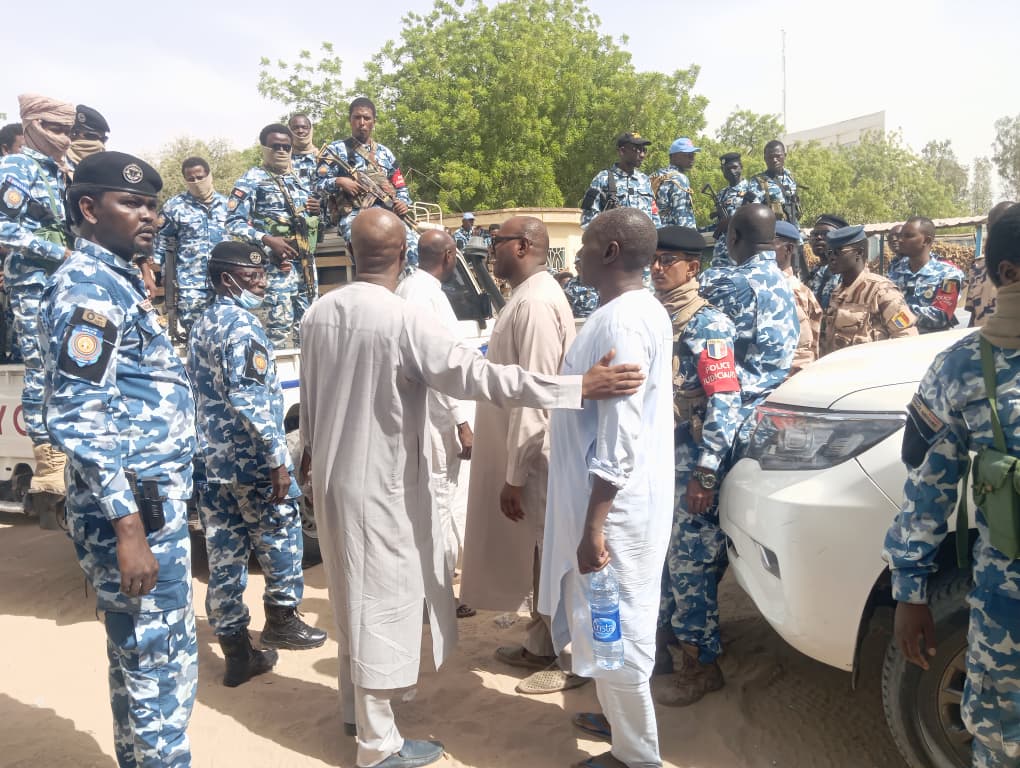
The president of the Rally for Justice and Equality in Chad (RAJET), Ordjei Abderahim Chaha, has issued a passionate plea to President Mahamat Idriss Déby Itno, urging clemency for imprisoned opposition figures from the former GCAP coalition and the Transformateurs party.
The plight of detained leaders and democracy’s taste
In a strongly worded open letter, the political leader argues that the continued detention of these figures ‘leaves a bitter aftertaste’ on Chad’s democratic experiment and tarnishes the integrity of its justice system. ‘Embracing opposition in all its forms is the hallmark of political maturity—the very foundation of a thriving liberal democracy,’ he asserts. According to Ordjei Abderahim Chaha, opposition is not a disruptor but an essential ingredient that adds vibrancy and depth to the democratic process, ensuring freedom and vitality for the nation.
Warnings of democratic decline
The RAJET leader cautions that stifling opposition could reduce democracy to ‘cold ashes,’ paving the way for authoritarianism. He frames opposition as the cornerstone of democratic resilience, urging the President to secure his legacy by releasing political detainees across the spectrum. ‘The true measure of a leader’s commitment to democracy is reflected in the freedom they restore, not the power they retain,’ he emphasizes.
Plea for national dialogue and unity
Ordjei Abderahim Chaha champions national dialogue as a unifying force capable of rekindling patriotism and fostering progress. He asserts that incarcerated opposition figures are not adversaries of this process, as ‘it is within dialogue that the seeds of peace and development take root.’ The political leader dismisses baseless narratives that fuel division, warning the President against ‘listening to ill-intentioned voices that sow discord and distrust.’ He labels authors of such divisive tactics as ‘gravediggers of the Republic,’ whose actions threaten the nation’s stability.
A call for urgent action
Concluding his letter, Ordjei Abderahim Chaha demands the immediate release of all political prisoners, stressing that their presence at the dialogue table is vital to ‘heal the nation’s open wounds.’ He positions their freedom not as an act of weakness, but as a decisive step toward reconciliation and national renewal.