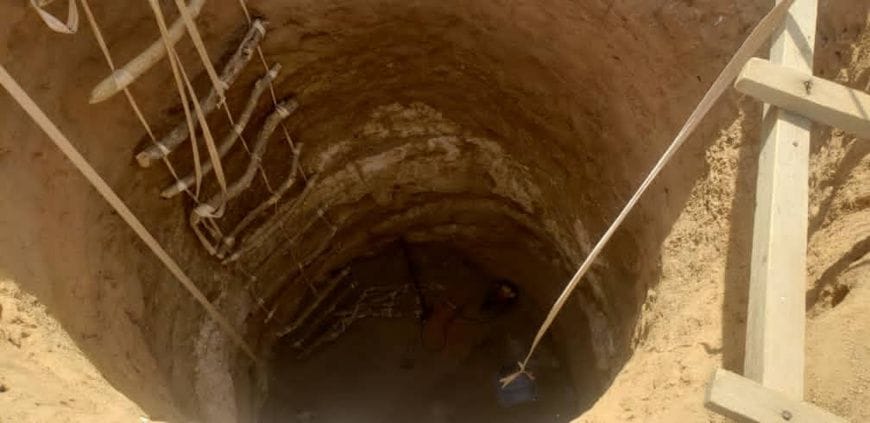
Chad: the ashes of governance, where chaos fuels stagnation
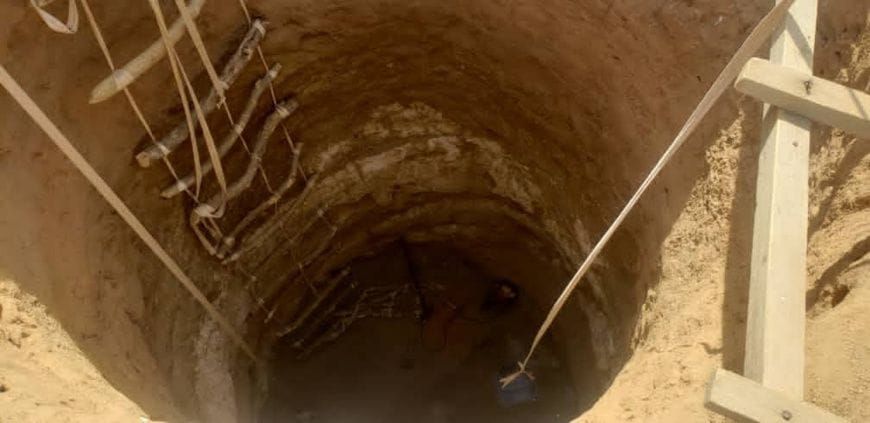
In the 21st century, losing lives over a water source is neither fate nor tradition—it’s the direct consequence of a deliberately neglected institutional vacuum.
For 36 years, the script has remained unchanged. Scenery shifts, the faces of self-proclaimed saviors pass from father to son, but the blood shed daily retains one constant hue: the color of failure. Here, intercommunal strife isn’t resolved—it’s orchestrated. The roar of motorcade engines and the choking dust that engulfs villages take precedence over the quiet resolve of an independent judiciary. This is a study in organized dysfunction.
Staged interventions, hollow outcomes
When disputes erupt over water sources or grazing land, the state’s response follows a predictable choreography. High-profile delegations arrive, mediation ceremonies unfold with great fanfare, and paternalistic speeches echo across the land. Yet once the dust kicked up by 4×4 vehicles settles, what remains? Nothing. The true scandal lies in the cost. A single presidential visit or flashy peacekeeping mission consumes budgets sufficient to drill thousands of modern wells, turning scarce resources into shared assets. But durable infrastructure undermines the very pretext for perpetual intervention—the illusion of indispensability.
Crippled institutions, a justice system on life support
Elsewhere, leaders remain in their capitals not out of disregard, but because their nations function. In Chad, however, governance thrives on arbitrariness, and a strong judiciary poses an existential threat to those in power. By denying courts the autonomy to adjudicate disputes, the state pushes citizens toward self-help justice. In the 21st century, dying over a water source is neither divine decree nor ancestral curse—it’s the bitter harvest of a void deliberately left unfilled. Political failure here is absolute, for it prefers perpetual crisis management to the construction of a united, prosperous nation.