The Cost of a Strategic Gamble: How $1 Billion in Russian Military Support Has Reshaped Mali
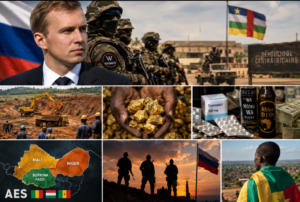
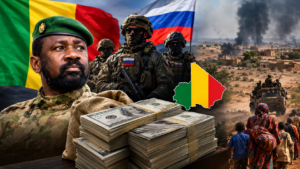
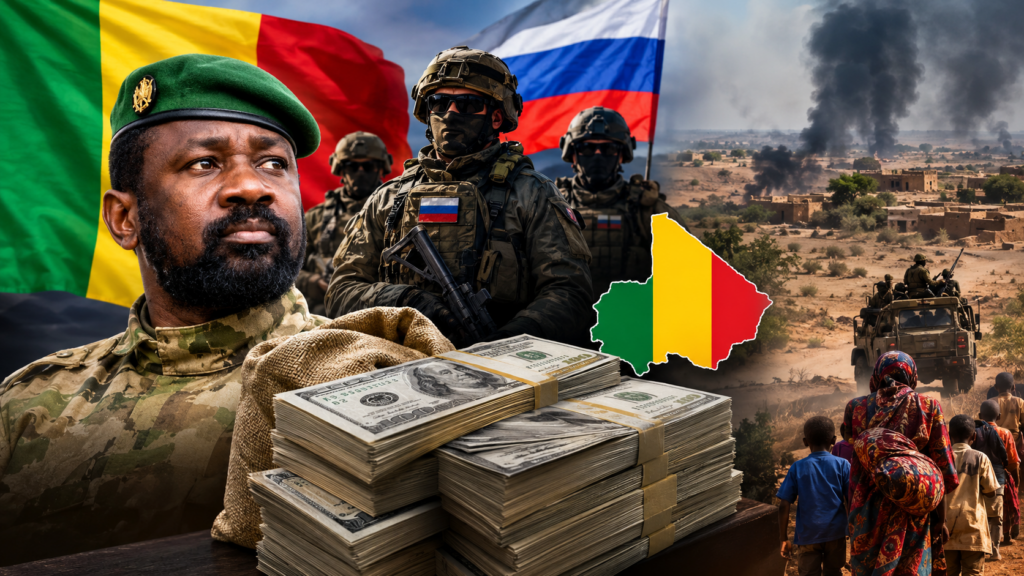
The Malian government has committed nearly $1 billion to its military partnership with Russian forces, first through Wagner Group operatives and later via the restructured Africa Corps. At an estimated cost of $10,000 per mercenary per month, this financial outlay forces a critical question: after such significant investment, what tangible security gains has Bamako achieved to justify this strategic pivot?
The transition authorities framed this cooperation as a sovereign choice, breaking away from Western allies to reclaim national security and territorial control. However, the true measure of success lies not in political rhetoric but in measurable outcomes: reduced attacks, protected civilian populations, restored state authority, and the resumption of public services in conflict zones. A year after this partnership was cemented, the evidence remains disturbingly thin.
From Promises to Reality: Where Did the Billion Dollars Go?
This $1 billion expenditure was not merely a military line item it represents a diversion of critical public funds from sectors such as healthcare, education, and infrastructure development in a country grappling with deep regional disparities. While no counterinsurgency effort can resolve a decade-long conflict overnight, the scale of investment demands accountability: what specific improvements in national security have materialized since Russian forces were deployed?
The persistent wave of attacks including brazen assaults on military outposts and civilian convoys contrasts sharply with the government’s aggressive diplomacy. Cities and towns remain under siege, rural roads are no-go zones, and displaced communities face an indefinite future. If the partnership with Moscow was supposed to reverse this trajectory, the results to date are disconcertingly absent. The public deserves clarity: how many lives have been saved, how many cities secured, and how much territory regained compared to the previous year?
The Wagner-Africa Corps Transition: Change in Name, but Where’s the Change on the Ground?
The rebranding from Wagner to Africa Corps signals a structural shift in Russia’s African military footprint. Yet rebranding does not equate to operational improvement. For Mali, the key test is whether this evolution has delivered stronger coordination with national forces, sharper intelligence, and sustained protection of local communities.
A mercenary force can provide tactical support, but it cannot substitute for a robust, well-trained national army capable of holding and administering recaptured territories. When security remains hostage to foreign fighters and at such a steep price the very sovereignty the government claims to uphold is called into question. True autonomy means controlling decisions, understanding costs, and evaluating outcomes without bias. So far, Mali’s citizens have seen neither the benefits nor the transparency they were promised.
The Hidden Political Price of a Security Promise
The Malian authorities justified severing ties with Western partners and embracing Moscow by invoking national independence, military initiative, and an end to perceived dependence. Yet sovereignty demands more than rhetoric it requires transparency, fiscal responsibility, and demonstrated results.
The public has a right to know: what missions are Russian forces conducting? How many civilians have been protected? What are the verified costs, contract durations, and performance metrics? Without such data, the partnership begins to resemble a costly gamble rather than a strategic advantage. And in a nation under siege, no gamble should go unexamined.
The Ultimate Test: Is the Malian People’s Security Any Safer?
National security is not measured in press releases or diplomatic communiqués it is measured in the safety of families, the flow of commerce, the return of farmers to their fields, and the gradual return of displaced populations. These are the real benchmarks, and they tell a sobering story.
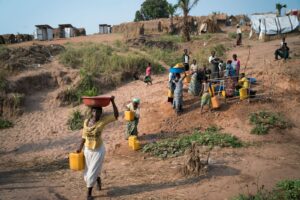
Despite the influx of Russian support, violence persists across vast swaths of Mali. Marketplaces remain closed under threat, schools operate in ruins, and civilians continue to be targeted in coordinated ambushes. When a billion-dollar investment fails to translate into palpable improvements in daily life, the question shifts from ‘How much did we pay?’ to ‘What did we actually gain?’
Time for a Reckoning: Can One Billion Dollars Buy Security?
By entrusting its security future to an external force at such a monumental cost, Bamako has tied its credibility to tangible outcomes. The world is watching not just to see where the money went but whether it saved lives. A partnership that cannot be audited, a strategy that cannot be defended with evidence, and a sovereignty that cannot be enforced on the ground all point to a single conclusion: this gamble may have already failed.
The true measure of Mali’s recovery will not be found in the size of its military contracts, but in the safety of its people. Until then, the billion-dollar question remains unanswered and the cost continues to rise.
By Rose Njoya — Journalist