Analysis
Chad-Algeria ties strengthen with deep-rooted historical bonds
Decades after independence, Chad’s elite still celebrate their academic journeys in Algeria and the enduring human connections forged during those years.

from education to strategic partnerships: the pillars of a lasting alliance
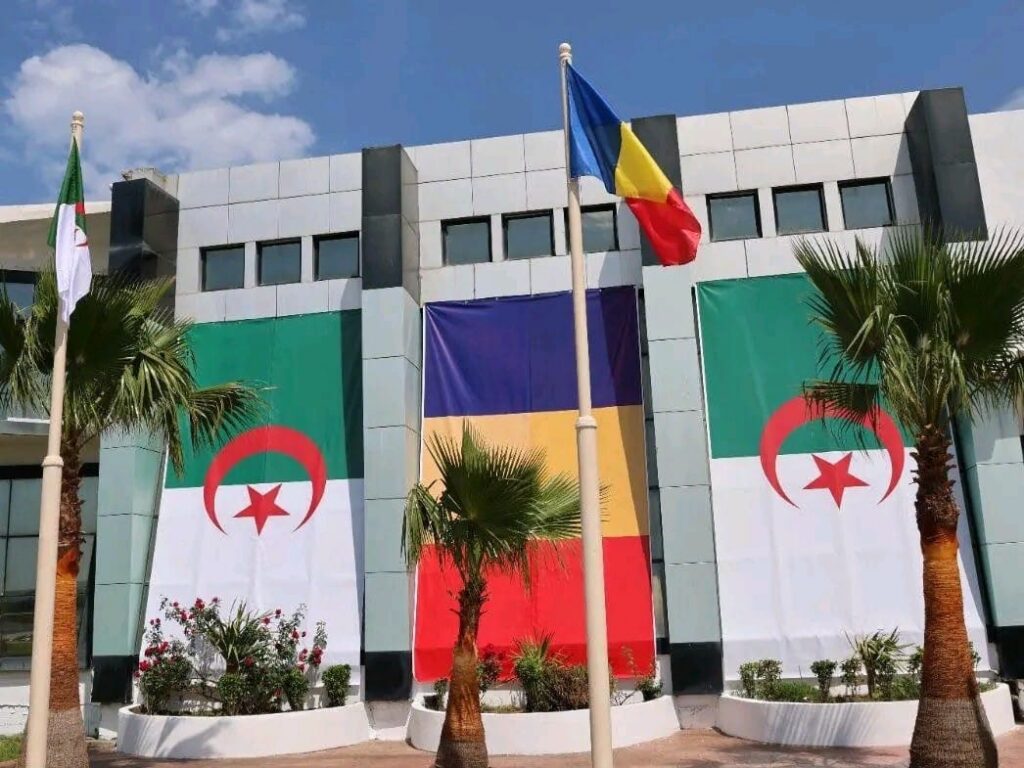
The evolving partnership between Chad and Algeria reflects more than just shifting geopolitical winds—it’s rooted in decades of shared history, mutual support, and a commitment to long-term development. Recent years have seen a marked improvement in bilateral relations, highlighted by high-level exchanges and a shared determination to expand collaboration across political, economic, and security fronts.
Key milestones in this strengthening relationship include multiple agreements in transportation, trade, education, energy, and border security. One standout initiative is Algeria’s pledge to support the Trans-Saharan Highway, a transformative project designed to link North Africa to Sub-Saharan regions while providing Chad with a critical corridor to the Mediterranean Sea. This infrastructure endeavor is expected to boost trade flows, facilitate movement of goods and people, and catalyze growth in border and desert communities.
For Algeria, this cooperation aligns with its broader regional strategy to deepen engagement in the Sahel and Central Africa. Meanwhile, Chad is actively diversifying its partnerships, moving beyond traditional dependencies to tap into new economic opportunities.
a legacy of solidarity: education as a foundation for nation-building
The ties between the two nations stretch back to the early 1960s, shortly after Chad gained independence. At that time, Algeria played a pivotal role in supporting the fledgling Chadian state, particularly through human capital development. Algerian universities and technical institutes opened their doors to hundreds of Chadian students, offering scholarships and specialized training in fields such as medicine, engineering, economics, law, political science, and public administration. This initiative was not merely educational—it was a strategic investment in Chad’s future.
Many of these graduates went on to become influential leaders in Chad’s government, military, academia, diplomacy, healthcare, and economic sectors. Their careers stand as a testament to the enduring impact of Algeria’s educational support. Today, many of Chad’s elite continue to honor their academic journeys in Algeria and the cultural bonds they formed during their studies, underscoring a people-to-people connection that transcends formal diplomacy.
This educational outreach was part of Algeria’s post-independence African policy, which emphasized solidarity with newly independent states, support for liberation movements, and investment in African talent development. This approach earned Algeria deep respect across the continent, especially in Chad, where it helped cement a legacy of trust and cooperation.
navigating modern challenges with historical strength
In today’s Sahel and Central African landscape—marked by security threats, political transitions, and economic challenges—the historical foundation between Chad and Algeria offers a robust platform for deeper collaboration. Potential areas for further cooperation include higher education exchanges, vocational training, border security, economic development, and joint efforts against extremism and irregular migration.
The relationship between Chad and Algeria is not built on short-term interests but on a decades-long foundation of cooperation, solidarity, and shared experience. This depth of connection provides both countries with a strategic advantage as they navigate evolving regional dynamics and pursue sustainable growth.