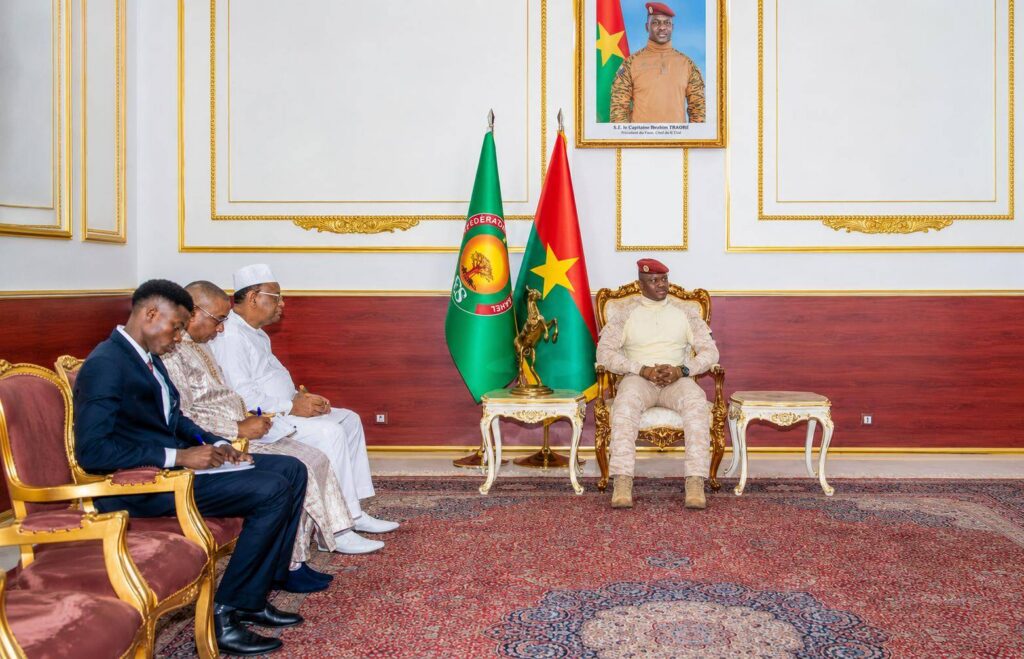
The recent visit of Lansana Kouyaté, mediator for the Economic Community of West African States (CEDEAO), to Ouagadougou has thrust regional diplomacy back into the spotlight. His meeting with Captain Ibrahim Traoré underscored the necessity of cooperation, emphasizing a simple truth: political decrees cannot sever the deep-rooted ties between peoples. While the CEDEAO’s pragmatic approach shines with realism, it encounters deep-seated skepticism rooted in a long history of unfulfilled commitments by regional leaders.
Why the CEDEAO’s outreach matters: balancing pragmatism and survival
Dismissing the CEDEAO’s hand of dialogue would be shortsighted. By opting for negotiation over confrontation, the organization demonstrates a much-needed political maturity in a region grappling with instability. The stakes are high, and the stakes are human.
- Humanitarian shield: Over 70% of trade for landlocked Sahel nations like Burkina Faso, Mali, and Niger relies on coastal ports within the CEDEAO bloc. Cutting these lifelines would devastate already vulnerable populations, trapped between terrorism and economic hardship. The CEDEAO wisely chooses not to punish civilians for the actions of their governments.
- Security reality: Terrorist groups operating across borders do not respect borders or treaties. Dismissing the need for coordinated regional security efforts would be a strategic blunder. The CEDEAO’s push for dialogue aims to salvage what remains of collaborative security measures in the Sahel.
Yet, this diplomacy of common sense has a critical flaw: the glaring asymmetry in good faith among negotiators.
Skepticism runs deep: a legacy of broken promises
The CEDEAO’s optimism is commendable, but history suggests it may be misplaced. The military-led governments of the Alliance of Sahel States (AES) have repeatedly demonstrated a pattern of reneging on commitments, both to the international community and their own people.
A timeline of broken transitions
From Bamako to Ouagadougou, the initial pledges of military transitions lasting 18 to 24 months have been unilaterally discarded. Elections, once promised, have been indefinitely postponed under the guise of security imperatives, leaving constitutional order in limbo.
1. International agreements: a shifting landscape
The CEDEAO has firsthand experience with agreements signed in Bamako or Ouagadougou, only to be abandoned months later in the name of