
Cameroon’s political landscape shifts as finance chief eyes vice presidency
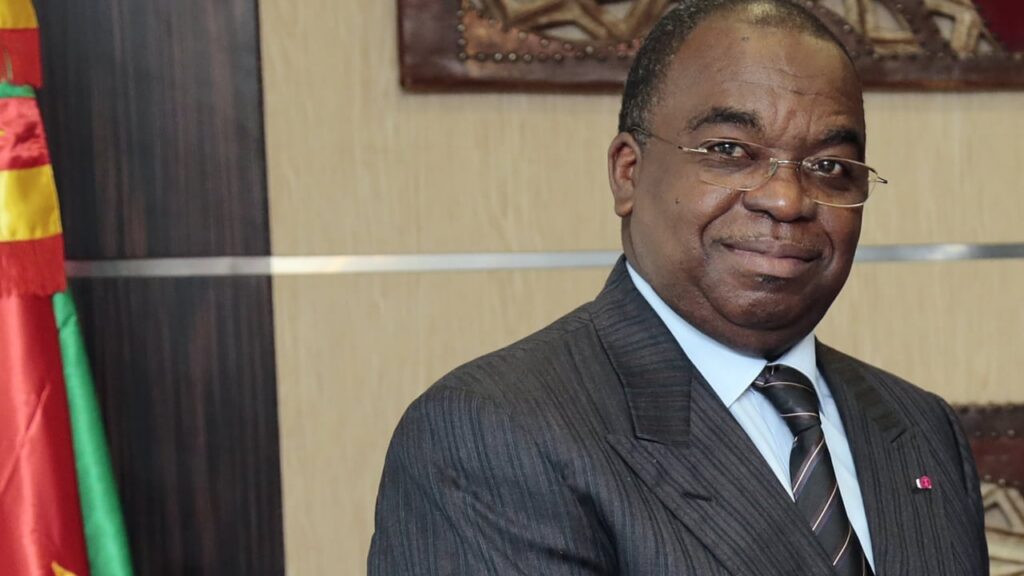
In a strategic move within Cameroon’s corridors of power, Louis-Paul Motaze, the nation’s Finance Minister, has quietly intensified efforts to secure the vice-presidential position alongside President Paul Biya. The potential appointment, though not yet official, has sent ripples through Yaoundé’s political elite, where alliances and ambitions are constantly reshaping the landscape.
a calculated campaign behind closed doors
Motaze’s pursuit of the vice presidency is unfolding through discreet engagements rather than public declarations. High-ranking officials and political insiders report that he has been leveraging his financial expertise and long-standing influence within the government to position himself as a key ally to the aging president. His campaign, though low-profile, has attracted attention from both supporters and skeptics.
Key figures like Ferdinand Ngoh Ngoh, a prominent political strategist, and Franck Biya, the president’s son, are believed to play pivotal roles in this behind-the-scenes maneuvering. Their involvement underscores the high stakes of the potential transition, which could redefine Cameroon’s political future in the coming years.
what’s at stake for Cameroon?
The vice presidency in Cameroon holds significant weight, often serving as a stepping stone for future leadership. Should Motaze secure the position, it could signal a consolidation of economic and political power within the current administration. Observers are closely watching how this development might impact policy directions, particularly in financial governance and regional stability.
As discussions intensify, the nation’s political class remains divided. Some view Motaze’s ambitions as a natural progression, given his extensive experience, while others question the timing and implications of such a move. One thing is clear: the race for the vice presidency is heating up, and Cameroon’s political future hangs in the balance.