The Burkina Faso gold industry is undergoing a profound transformation, driven by the 2023 establishment of the National Precious Substances Company (SONASP) and ambitious local infrastructure projects like the national gold refinery in Ouagadougou. The transitional government’s goal is clear: reclaim control over the entire gold value chain and bolster economic sovereignty.
Ambition versus structural paradoxes
The strategy hinges on reshaping international mining partnerships, notably by granting exploration permits to foreign firms such as the Russian company Nordgold. While this move aims to diversify the mining landscape, it raises critical concerns:
- New dependencies: Replacing traditional partners with companies linked to specific geopolitical allies could expose Burkina Faso to fresh strategic vulnerabilities.
- Governance and transparency: Ensuring rigorous traceability and fair local benefits through institutions like the BUMIGEB and SONASP remains a monumental challenge, especially amid escalating security threats that threaten both artisanal and industrial mining.
The controversy around gold reserve storage
Rumors suggesting plans to ship or store part of the nation’s gold reserves in the Russian Federation sparked intense debate. Though the Ministry of Economy and Finance swiftly dismissed these claims as misinformation, the episode underscores the inherent risks in managing a precious resource:
- Financial and legal risks: Depositing sovereign gold reserves with a country facing international sanctions and banking restrictions would undermine the liquidity and legal security of Burkina Faso’s assets.
- Compromised sovereignty: Physical gold serves as the ultimate financial safeguard for a state. Entrusting it to a foreign entity in an unstable geopolitical climate directly contradicts the stated objective of achieving full sovereignty over national resources.
Local anchoring: refining and formalization challenges
The decision to refine gold domestically marks a symbolic milestone, yet technical and economic hurdles persist:
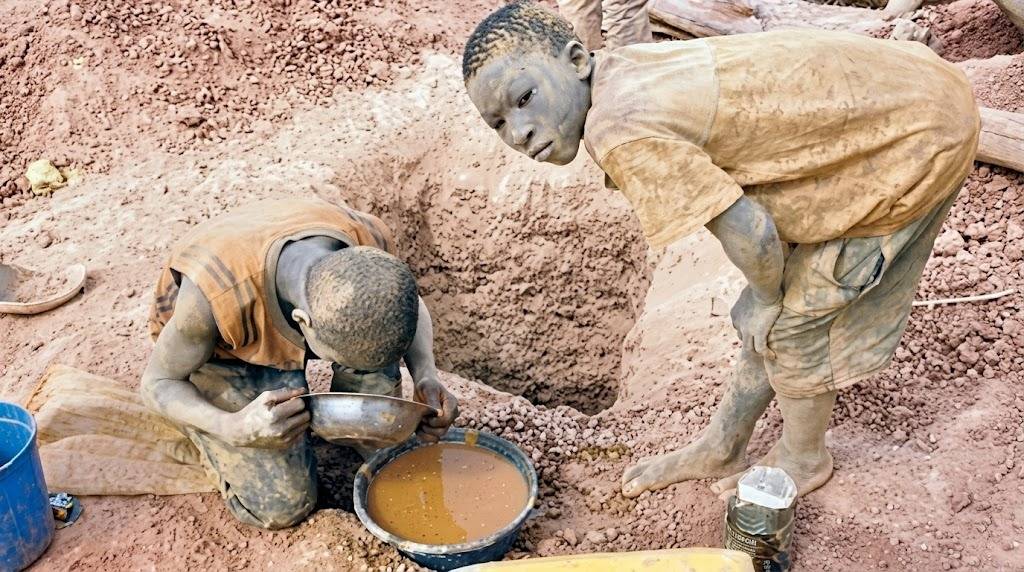
- Supply chain viability: Maintaining a steady feed for the refinery requires curbing fraud in artisanal mining zones, many of which are plagued by insecurity.
- Sustainable benefits for communities: The mining sector must move beyond mere revenue generation to create lasting jobs and bolster local infrastructure development.
The government’s push to rebalance the mining revenue-sharing model in favor of the state is understandable given the national economic stakes. However, to safeguard this sovereignty long-term, Burkina Faso would be wise to prioritize institutional transparency, secure its national reserves internally, and strengthen domestic management infrastructure—rather than risking its gold in the complexities of external geopolitical arbitrations.