In a move critics argue masks deeper systemic failures, Niger’s transitional government has banned all public protests related to oil sector governance, invoking vague “public security” concerns. The decision, announced by Interior Minister General Mohamed Toumba, specifically blocks marches and sit-ins planned by the Citizens’ Collective for National Safeguarding—a group demanding transparency in oil revenues from the Agadem fields and accountability over how profits are spent.
From oil riches to empty tanks: why Niger’s fuel shortages reveal a broken system
Once hailed as a potential economic lifeline, Niger’s oil sector is now exposing a paradox: a country sitting atop vast reserves yet crippled by fuel scarcity. The capital, Niamey, is now dotted with motorists stranded for hours in lines that stretch blocks long. This unfolding crisis stems not from a lack of resources, but from years of mismanagement, outdated infrastructure, and policy missteps that have left the nation’s energy future dangerously fragile.
The refining bottleneck: a national industry on its last legs
The heart of Niger’s fuel supply struggles—SORAZ’s Zinder refinery—is a relic of the past. Despite decades of operation, the facility operates far below capacity, plagued by frequent breakdowns and obsolete technology. Unable to meet domestic demand for gasoline and diesel, the refinery forces the state-owned Sonidep to scramble for costly imports just to keep basic services running.
The collapse of Nigeria’s shadow fuel trade
For years, an informal lifeline sustained Niger’s motorists: smuggled, subsidized fuel from Nigeria. But when Abuja ended state fuel subsidies, prices surged, and that clandestine supply evaporated overnight. The abrupt halt laid bare the fragility of Niger’s supply chain, exposing how deeply the country had depended on an unpredictable black market.
Logistical nightmares and crumbling roads
Delivering fuel from Zinder to cities like Niamey and Maradi hinges on a dwindling fleet of aging tanker trucks navigating some of West Africa’s most deteriorated highways. Poor road conditions slow shipments, increase costs, and amplify delays—further destabilizing the already strained distribution network.
Governance meltdown: who really controls Niger’s oil economy?
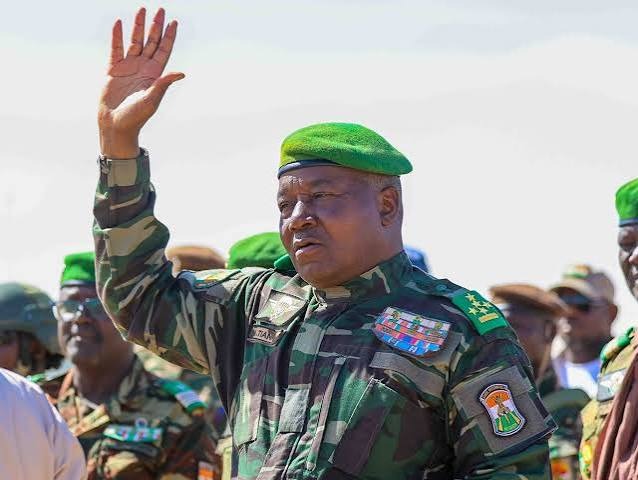
The crisis has also laid bare internal power struggles within Sonidep, Niger’s state-owned petroleum company. Recent leadership upheavals—including the sudden removal of the former CEO by General Abdourahamane Tiani—reflect deep unease over transparency in fuel stock distribution and revenue management. Observers note that while the state touts oil as a driver of development, the sector remains shrouded in opacity and political interference.
Diplomatic standoffs and stranded revenues
Niger’s oil ambitions face external hurdles too. Diplomatic tensions with neighboring Benin have stalled progress on the Agadem-Sèmè-Kpodji pipeline, preventing the country from realizing expected export revenues. Meanwhile, banking restrictions tied to sanctions are freezing financial flows, deepening the sense of a sector mired in limbo.
Government tightens control as shortages bite
Facing mounting public frustration and the looming specter of social unrest, authorities have rolled out draconian measures they claim will stabilize supply:
- Nighttime fuel bans: Since October 19, all public sales have been halted from 9:00 PM to 6:00 AM, with canister sales outright banned.
- Export freeze: Declared on October 12, this move restricts fuel exports to prioritize domestic consumption—an ad hoc response that underscores the depth of the crisis.
Rather than addressing the root causes—aging infrastructure, poor governance, or lack of investment—these restrictive policies seem designed to silence dissent. By criminalizing public dialogue about energy sovereignty, the government risks deepening distrust and fueling further instability in a nation already grappling with economic hardship.
What lies ahead for Niger’s oil-dependent future?
With no clear path to reform, Niger’s oil wealth remains a promise unfulfilled. The current shutdown of public debate only delays the inevitable reckoning: a nation cannot sustain its development on a fuel-dependent economy while neglecting transparency, investment, and citizen participation. As long lines grow longer and patience wears thin, the question remains—how long can Niger’s leaders sustain this cycle of denial before the system collapses entirely?