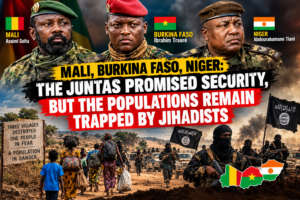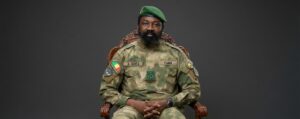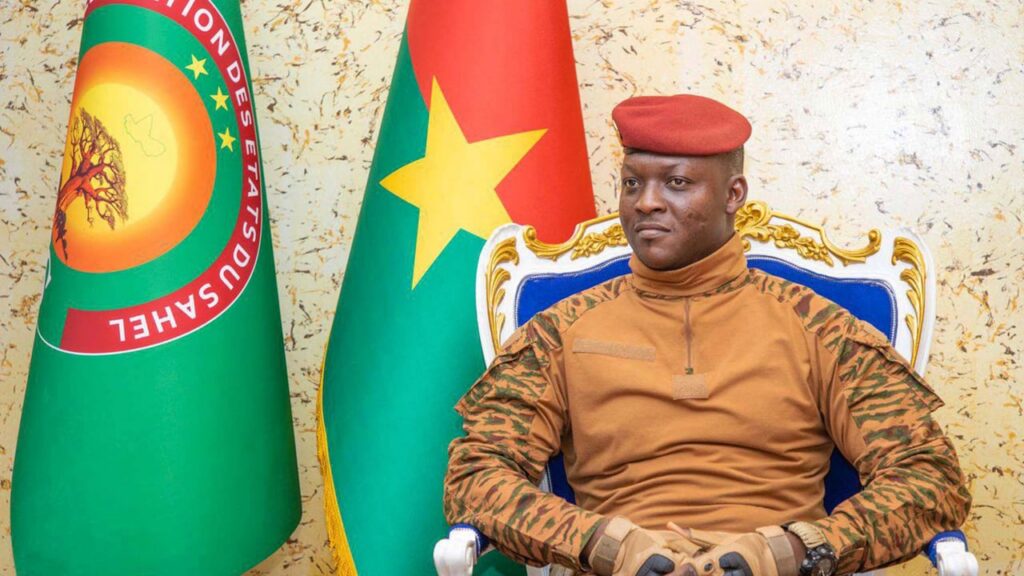

In a striking development, Reporters Without Borders (RSF) has leveled serious accusations against Burkina Faso’s military leadership, alleging the existence of a coordinated digital militia operating under the direction of Captain Ibrahim Traoré. The claim suggests a deliberate strategy to silence independent journalism through coordinated online harassment and intimidation campaigns.
Allegations of a coordinated digital suppression campaign
The Paris-based press freedom watchdog contends that this clandestine network systematically targets journalists and media outlets critical of the transitional government. According to RSF, the so-called “digital militia” employs sophisticated cyber tactics—including coordinated disinformation, coordinated account takeovers, and large-scale trolling—to suppress dissenting voices and manipulate public perception.
How the digital militia operates
Investigations by RSF reveal that this network appears to be highly organized, with operatives working in shifts to flood social media platforms with pro-government narratives while simultaneously drowning out critical commentary. The group is reportedly active across multiple platforms, including X (formerly Twitter), Facebook, and local forums, where it amplifies favorable content while suppressing opposing viewpoints.
- Targeted harassment: Journalists known for their investigative reporting face relentless online abuse, including threats, doxxing, and coordinated smear campaigns designed to damage their professional reputation.
- Disinformation spread: False narratives are deliberately seeded to undermine the credibility of independent media, portraying critical outlets as “foreign agents” or “enemies of the state.”
- Account manipulation: Hacking incidents have been documented, with journalists’ social media accounts hijacked to post pro-government propaganda before being locked or deleted.
Government response and press freedom concerns
While Burkina Faso’s transitional authorities have not yet formally addressed these allegations, the accusations raise urgent questions about the state of press freedom in the country. Since Captain Traoré assumed leadership in 2022, the media landscape has become increasingly restrictive, with several independent outlets facing censorship or forced closure.
RSF’s report underscores a broader pattern of repression, highlighting how digital tools are now being weaponized to stifle dissent. The organization has called for an immediate investigation into the alleged digital militia, warning that such tactics represent a direct assault on democratic principles and the fundamental right to information.
International reaction and implications
Human rights organizations and press freedom advocates have condemned the reported tactics, emphasizing that digital suppression campaigns are particularly insidious because they leave little trace while inflicting lasting damage. Diplomatic sources in Ouagadougou suggest that the allegations could further strain Burkina Faso’s relations with international partners, particularly those prioritizing governance and human rights.
The situation remains fluid, with journalists and media professionals increasingly concerned about their safety. Many are now adopting stringent digital security measures, including encrypted communications and anonymous reporting platforms, to protect themselves from targeted attacks.