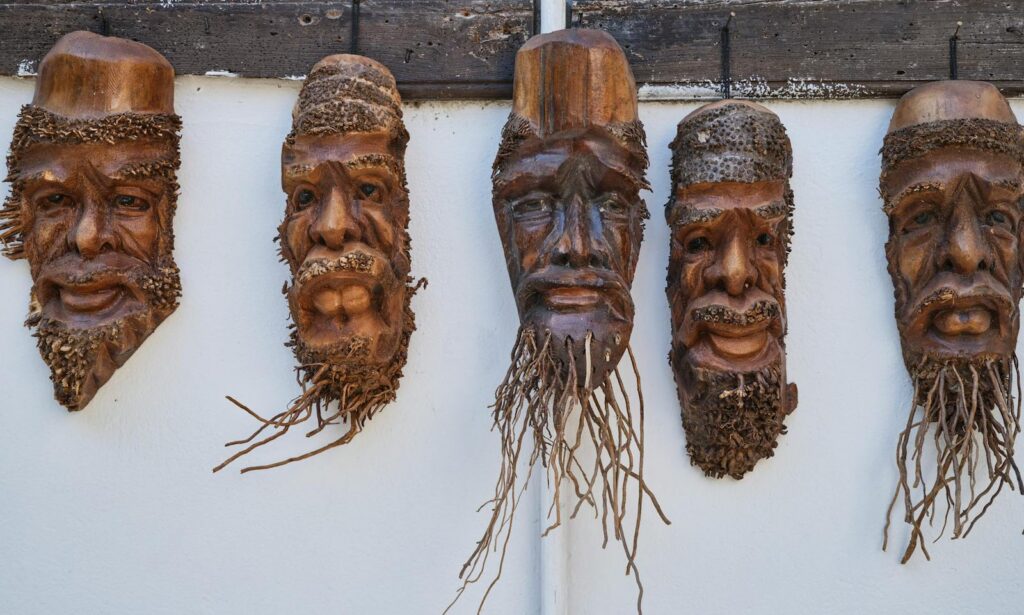
An unprecedented move in the restitution of African heritage has unfolded in Bordeaux. On June 1, 2026, the city council officially declined a bequest comprising 53 artworks from multiple African nations, currently housed in the reserves and display halls of the Musée d’Aquitaine. While this decision may seem contradictory at first glance, it serves a critical legal purpose. Under French law, public collections are bound by the principle of inalienability, meaning accepting the bequest would have barred these pieces from ever being transferred. This refusal clears the path for Gabon to reclaim 33 of these works, destined for Libreville’s cultural institutions.
Legal ingenuity to bypass inalienability constraints
Bordeaux’s decision underscores how French local governments are rethinking institutional strategies to meet African restitution demands. Since the 2018 Sarr-Savoy report highlighted the restitution of cultural artifacts acquired during colonial rule, the debate has gained traction, though legislative action remains piecemeal. Each case requires a tailored legal approach. By rejecting the bequest before it enters public collections, Bordeaux sidesteps the inalienability barrier, securing the flexibility needed for a direct transfer to the originating countries.
This strategic maneuver is far from trivial. It reflects a municipal government’s political commitment to confronting a colonial legacy that once fueled its prosperity. Bordeaux, whose 18th-century wealth was tied to the Atlantic slave trade, has in recent years intensified memorial initiatives. The June decision aligns with this trajectory, shifting restitution efforts from symbolic gestures to tangible legal outcomes.
Gabon leads a fragile restitution movement
The significance of the 33 works earmarked for Gabon extends beyond their cultural value. Their return would bolster Libreville’s national collections and reinforce efforts to revive cultural identities tied to the Fang, Punu, Kota, and Tsogho peoples—whose masks and reliquaries command high prices in the global art market. Notably, Kota reliquary figures have sold for hundreds of thousands of euros at auctions, highlighting their immense historical and commercial worth.
The Gabonese government, since the 2023 regime change, has prioritized cultural sovereignty as a cornerstone of its national narrative. Reclaiming artifacts plundered during colonization fits seamlessly into this vision. However, the path forward remains unclear. While Bordeaux’s refusal initiates the process, it does not finalize it. French authorities must still outline the transfer framework, and Libreville must demonstrate its ability to preserve and exhibit these works to international museum standards.
A model with potential to spread across France
Bordeaux’s approach could serve as a blueprint for other French cities grappling with similar restitution claims. Marseille, Lyon, Nantes, and La Rochelle hold collections of colonial origin whose legal status remains ambiguous. The Girondin strategy offers a replicable solution—provided the bequests have not yet been formally absorbed into public holdings. For African nations seeking restitution, this route promises speed, bypassing the need for parliamentary decree in every case.
The implications of Bordeaux’s decision resonate far beyond Gabon. Senegal, Benin, Côte d’Ivoire, and Cameroon are closely monitoring developments. France’s previous restitution to Benin in 2021—transferring 26 royal treasures from Abomey—required a dedicated law. Bordeaux’s quieter method may prove more efficient for the thousands of African artifacts still scattered across French museums. The Gabonese case now stands as a litmus test for patrimonial diplomacy between Paris, local governments, and African diplomatic missions.