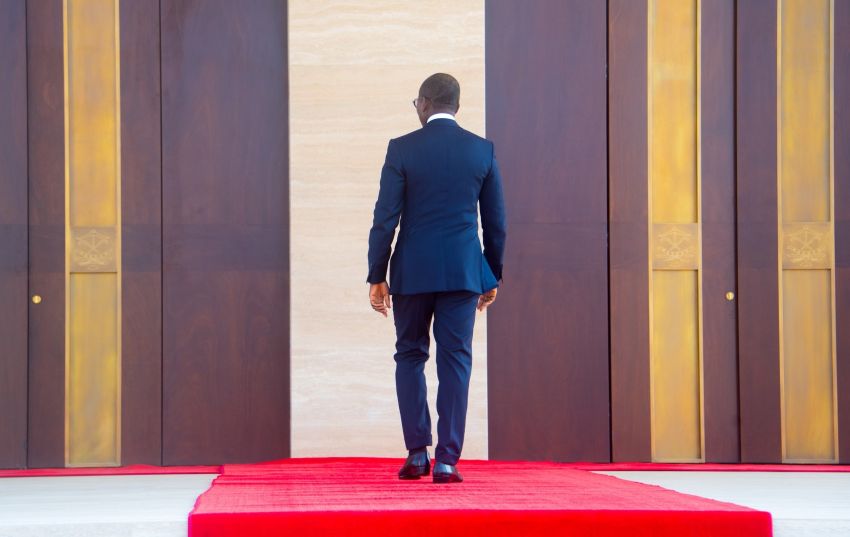
Talon completes his handover in Benin
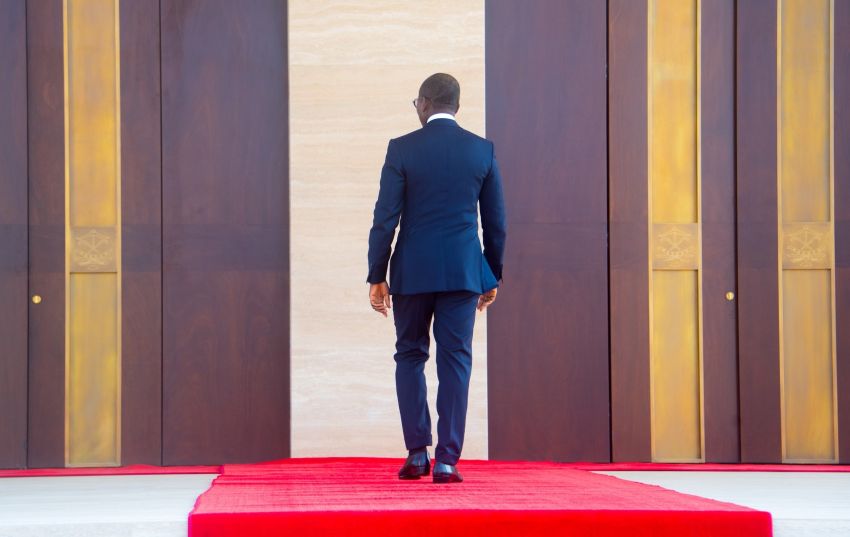
Cotonou, May 22, 2026 – Benin is poised to witness one of its most pivotal political moments in recent memory. As the nation prepares for the official swearing-in of President-elect Romuald Wadagni on May 24, 2026, outgoing President Patrice Talon delivered a farewell address brimming with symbolic weight, political significance, and institutional gravitas.
After a decade at the helm of the Beninese state, President Talon concluded his tenure with a speech that blended farewell reflections, national acknowledgment, and a rallying call for unity around his successor.
In a region where political transitions often spark uncertainty, this handover carries exceptional importance. The transfer of power from Patrice Talon to Romuald Wadagni is already being hailed as a landmark event, watched closely beyond Benin’s borders.
A continental moment in political transition
The exit of Patrice Talon comes at a time when African discourse is increasingly focused on institutional stability, governance, and democratic alternation. By stepping down after two terms, the outgoing president reinforces a culture of constitutional continuity and institutional consolidation.
In his national address, Patrice Talon extended formal recognition to Romuald Wadagni, portraying him as the leader tasked with guiding Benin into a new chapter of development. The outgoing president wished his successor “success and fulfillment” over the next seven years, describing the role as a “delicate yet exhilarating mission.”
This political transition also signals the rise of a new generation of African leaders—ones deeply connected to economic, technocratic, and transformational challenges.
A decade of bold reforms and sweeping change
President Talon devoted considerable attention in his speech to reflecting on the past ten years in power. He defended his administration’s achievements, citing sweeping reforms, major infrastructure projects, and modernization efforts aimed at strengthening Benin’s socioeconomic fabric.
While acknowledging challenges and setbacks, he characterized the journey as “a path laced with obstacles,” insisting that these very challenges forged the nation’s collective resilience. His tone struck a balance between personal reflection and institutional duty.
He emphasized the role played by all Beninese—from urban centers to rural villages, including the diaspora—in the progress achieved during his mandate. By framing success as a national effort, he sought to transcend partisan divides and reinforce a shared sense of purpose.
The weight of expectation on Romuald Wadagni
Beneath the solemnity of farewell speeches lies a pressing question: what comes next? Romuald Wadagni inherits a Benin that has been fundamentally reshaped—economically and administratively—but also faces sky-high public expectations.
The former Finance Minister, renowned for his technocratic profile and deep ties to international economic circles, must now step into the presidential role with full authority. The stakes are immense: sustaining economic momentum while deepening social cohesion and restoring public trust in institutions.
In his farewell remarks, Patrice Talon urged his compatriots to “stand firmly behind the new president in the supreme interest of Benin.” This call encapsulates one of the central challenges ahead: transforming institutional continuity into lasting stability.
A deeply personal tribute with national resonance
Perhaps the most emotionally resonant moment in the address came when Patrice Talon paid tribute to his wife, Claudine Talon. Describing her as “a great lady” who supported him “with unwavering affection and patience,” he delivered a rare personal acknowledgment in the context of African official discourse.
Beyond family bonds, he also expressed gratitude to close collaborators, supporters, and all those who stood by him throughout his presidency.
Benin at a crossroads of renewal
This transition is not merely a Beninese affair. In several African capitals, the handover from Patrice Talon to Romuald Wadagni is being viewed as a critical test of institutional resilience in West Africa.
Benin now seeks to project itself as a nation capable of ensuring republican continuity while preserving political and economic stability. The departure of Patrice Talon marks the opening of a new chapter—one defined by strong public expectations, the need for economic gains to translate into tangible social benefits, and the immediate test of delivering results.
Yet one truth stands clear. By departing with a message of unity, transmission, and institutional trust, Patrice Talon is seeking to cement his legacy as a leader committed to democratic endurance.
As Romuald Wadagni prepares to take the oath of office, Benin enters a fresh phase of its contemporary history—one driven by the ambition to advance toward greater stability, regional influence, and economic transformation.