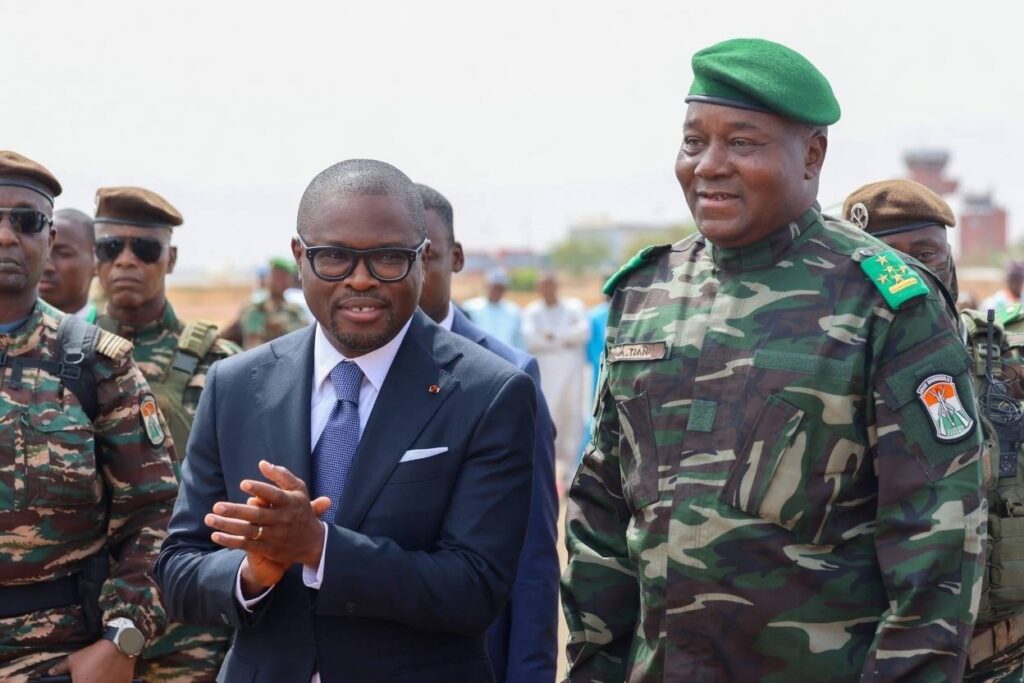
When Niger’s military-led administration took power in July 2023, the repercussions rippled across the Bénin-Niger corridor, plunging the region into a deepening crisis marked by closed borders and unrelenting diplomatic friction. Yet beneath the surface of escalating tensions, a quieter narrative was unfolding—one of patient diplomacy and relentless pursuit of reconciliation. The recent landmark visit by Bénin’s newly elected president, Romuald Wadagni, to Niamey stands as the most visible sign yet of this sustained effort to mend strained relations.
a break in the impasse: bolder moves than the headlines suggest
While international observers focused on the escalating rhetoric and sanctions, Cotonou quietly pursued a strategy aimed at easing the standoff. Early actions included lifting restrictions on goods transiting through the Port of Cotonou to Niger—a lifeline for Niamey’s economy—though Niamey maintained its border closure under the guise of security concerns.
Diplomatic outreach didn’t waver. Former presidents Nicéphore Soglo and Thomas Boni Yayi traveled to Niamey in mid-2024, underscoring Bénin’s commitment to dialogue beyond partisan divides. Equally crucial was the preservation of critical infrastructure, such as the WAPCO oil pipeline, which links both nations. By safeguarding this vital link, Bénin prevented a total rupture and kept open the only remaining technical lifeline between the two countries.
romuald wadagni’s leadership: a fresh chapter in regional relations
The inauguration of Romuald Wadagni in May 2026 marked a turning point. As a respected economist and former Finance Minister, Wadagni entered office without ties to the contentious decisions following the 2023 coup. His presidency arrived at a pivotal moment, offering a chance to reset relations.
The first sign of progress came when Niger’s Prime Minister Ali Mahamane Lamine Zeine attended Wadagni’s inauguration in Cotonou—a symbolic gesture that broke Niger’s diplomatic isolation.
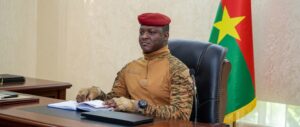
But it was Wadagni’s decision to make Niamey the destination of one of his earliest official trips that truly signaled Bénin’s intent. By meeting directly with Niger’s transitional leader General Abdourahamane Tiani and Burkina Faso’s Captain Ibrahim Traoré, Wadagni demonstrated a bold willingness to engage in frank, pragmatic dialogue—free from preconditions.
shared challenges demand shared solutions
The thaw isn’t merely symbolic; it’s rooted in hard realities. The tri-border region encompassing W-Arly-Pendjari has seen armed violence surge by nearly 86% since 2024. Neither country can counter the jihadist threat alone, making renewed military cooperation a matter of survival for border communities.
Economically, the stakes are just as high. Niger depends on Bénin’s port and transit routes to stabilize prices and secure supplies. Meanwhile, Cotonou seeks to boost revenue through expanded use of its autonomous port. Reopening the border isn’t just diplomatic courtesy—it’s an economic necessity for both sides.
With this visit, Wadagni has not only acknowledged Niger’s sovereignty but also reaffirmed Bénin’s dedication to regional stability and shared prosperity. The ball now rests in Niamey’s court to translate this diplomatic momentum into full border reopening and lasting reconciliation.