Cotonou’s strategic outreach to Niamey and Ouagadougou
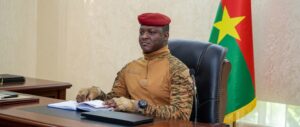
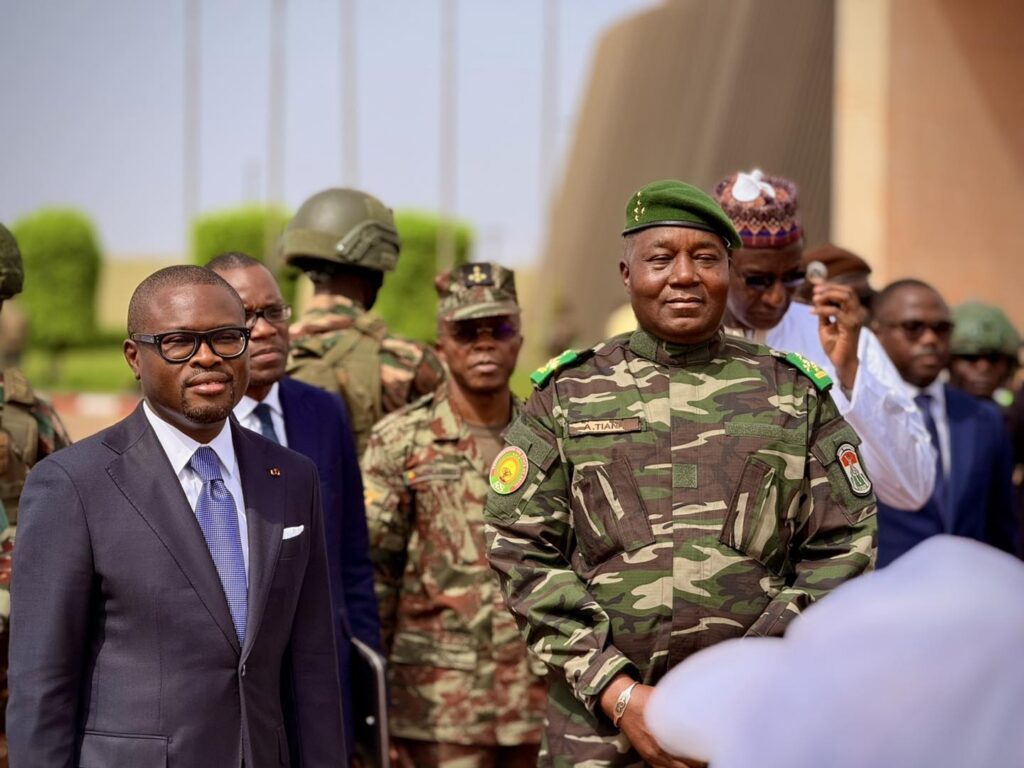
With a decisive diplomatic initiative, the newly inaugurated President of Bénin, Romuald Wadagni, has embarked on a high-stakes regional tour aimed at mending strained relations with key Sahelian partners. Within days of assuming office, he traveled to Niamey and Ouagadougou to meet with General Abdourahamane Tiani and Captain Ibrahim Traoré, respectively, signaling a clear intent to recalibrate Bénin’s foreign policy priorities.
Following these engagements, an additional agenda includes visits to Lomé, Abidjan, and Accra—each stop designed to reinforce regional cohesion and economic connectivity. This unexpected diplomatic offensive marks a stark departure from years of frosty exchanges, which saw border closures, disruptions in oil transit via the Sèmè-Kpodji pipeline, and mutual accusations of undermining regional stability.
Economic pragmatism at the heart of negotiations
As a former Minister of Economy and Finance, President Wadagni approaches these discussions with a focus on tangible outcomes. For Bénin, the restoration of full trade and transit routes—particularly the resumption of crude oil flows from Niger—is not merely a diplomatic gesture but an economic necessity. The Port Autonome de Cotonou, a vital commercial lifeline, stands to benefit significantly from normalized relations with its northern neighbors.
The official agenda, as outlined by Bénin’s State Protocol, centers on three core priorities: addressing shared security threats, revitalizing bilateral trade, and fostering deeper people-to-people ties. These pillars reflect the urgency of the moment, as the country grapples with cross-border instability and the need to secure its northern frontiers.
A three-pronged strategy for regional stability
The president’s diplomatic roadmap is structured around immediate and long-term objectives:
- Enhanced border security: With jihadist incursions escalating near the Burkina Faso and Niger borders, renewed military cooperation and intelligence-sharing are deemed essential to safeguarding Bénin’s northern regions.
- Trade normalization: The reopening of the Niger-Bénin border and the resumption of oil transit are critical to restoring economic flows, particularly for energy-dependent industries.
- Regional mediation: After concluding engagements in the Sahel, President Wadagni will pivot to West African partners within ECOWAS—including Togo, Côte d’Ivoire, and Ghana—to position Bénin as a neutral broker, preventing further fragmentation within the bloc.
The road ahead: challenges and opportunities
While the business community and regional analysts view this diplomatic thaw as a positive development, the path to reconciliation is fraught with complexities. Resolving long-standing disputes will require more than symbolic gestures; it demands concrete commitments and sustained dialogue.
By prioritizing engagement with Sahelian leaders from the outset of his presidency, Romuald Wadagni is staking a claim to a foreign policy rooted in realism and dialogue—a strategy many argue is indispensable in navigating West Africa’s evolving geopolitical landscape.