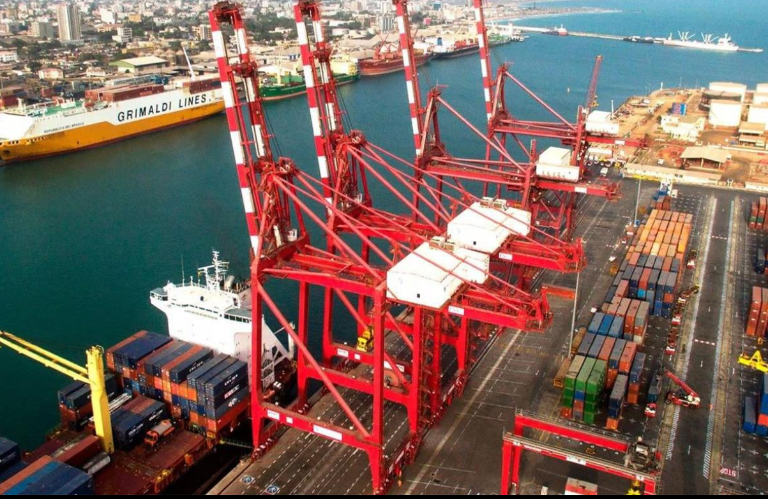
The Republic of Benin is experiencing a historic economic shift in 2026, with real GDP growth hitting 8.2% in the first half of the year. This surge is not just a number—it reflects tangible changes in the lives of citizens, the strategies of businesses, and the long-term resilience of the national economy. The government’s push toward industrialization is transforming raw material exports into locally produced goods, creating jobs, boosting household incomes, and positioning Benin as a rising player in global trade.
This performance, confirmed through an assessment by the International Monetary Fund (IMF), signals a turning point for a country long dependent on exporting unprocessed agricultural and mineral resources. By prioritizing domestic processing and value addition, Benin is laying the groundwork for sustainable economic growth that reaches beyond port cities and touches communities across the nation.
From raw exports to industrial engines: the strategy behind the growth
Benin’s economic model has long relied on exporting commodities like cotton, cashews, and palm oil. But in 2026, the government is accelerating a deliberate shift: turning these same resources into finished or semi-finished goods right here at home. This transformation is designed to capture more of the economic value within Benin’s borders—keeping profits local and creating opportunities for local businesses and workers.
The strategy includes:
- Expanding industrial zones: The Glo-Djigbé Industrial Zone (GDIZ) is at the heart of this transformation, serving as a hub for processing agricultural inputs and manufacturing goods for both local consumption and export.
- Modernizing infrastructure: Upgrades to ports, roads, and energy networks are reducing trade costs and enabling smoother movement of goods from factories to markets.
- Supporting private enterprise: Government incentives and training programs are helping small and medium-sized businesses scale up, adopt modern technologies, and meet international quality standards.
Real-world impact: jobs, incomes, and community transformation
The shift from exporting raw materials to producing finished goods is already having visible effects across Benin. In rural areas, farmers who once sold cotton bales are now finding new roles as suppliers to local textile workshops. In urban centers, new factories are hiring young workers, offering stable wages, and reducing youth unemployment. In markets across Cotonou, Porto-Novo, and Parakou, locally made goods are becoming more affordable and accessible, strengthening household purchasing power.
This industrialization drive is also diversifying Benin’s economy. Instead of relying solely on a few cash crops, the country is developing new sectors—textiles, agro-processing, light manufacturing—that are less vulnerable to global price swings. This diversification is crucial for long-term stability and helps shield communities from economic shocks.
Export ambitions: targeting high-value markets
With industrial capacity rising, Benin is setting its sights on international markets. The goal is to export higher-value goods to Europe, China, and the United States—markets known for demanding quality, compliance, and sustainability. Success here would mean more foreign exchange earnings, stronger business revenues, and greater recognition of Benin as a reliable supplier of finished products.
To achieve this, Benin is investing in:
- Quality certification: Ensuring products meet international standards for safety, labor practices, and environmental impact.
- Logistics upgrades: Faster customs clearance, improved port handling, and reliable transport networks to deliver goods on time.
- Trade partnerships: Strengthening agreements and negotiations to open doors for Beninese manufacturers in key destination markets.
Challenges on the path to sustained growth
Despite the strong momentum, Benin faces real challenges that could slow progress. Global commodity prices remain volatile, and a sudden drop could reduce export earnings. Regional security concerns—especially in neighboring countries—pose risks to trade routes and investor confidence. Climate-related events, such as droughts or floods, continue to threaten agricultural output and rural livelihoods.
To mitigate these risks, the government is focusing on:
- Economic diversification: Expanding into non-agricultural industries like renewable energy and digital services.
- Skills development: Investing in vocational training and technical education to prepare workers for modern industrial jobs.
- Resilience planning: Building climate-smart infrastructure and diversifying supply chains to reduce exposure to external shocks.
A new economic vision for Benin’s future
Benin’s 8.2% growth in 2026 is more than a headline—it’s a reflection of a nation redefining its economic identity. By moving from raw material exports to value-added production, the country is not only growing faster but also building a more inclusive and resilient economy. The benefits are already visible: more jobs, rising incomes, and greater economic sovereignty.
The road ahead demands continued investment, smart policy, and a commitment to inclusive growth. But with industrialization at its core, Benin is charting a course toward a future where its people, businesses, and communities thrive—not just survive—on the global stage.





