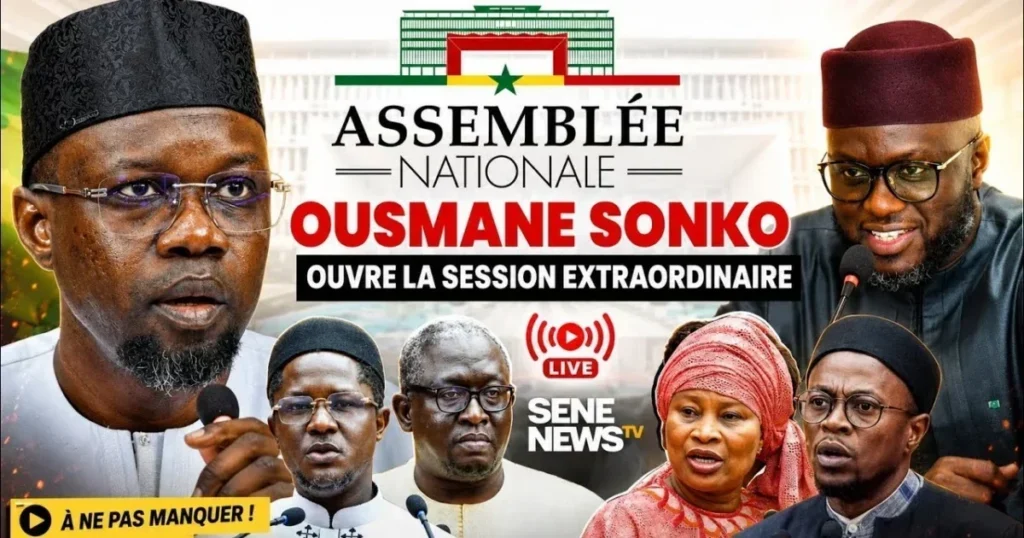
The National Assembly in Bamako convened its extraordinary session this week, marking a significant moment in Mali’s political landscape as lawmakers tackle urgent legislative matters. Among the key agenda items, investigations spearheaded by prominent opposition leader Ousmane Sonko have taken center stage, drawing widespread attention from both the public and political observers.
During the opening session, deputies engaged in heated debates over the scope and priorities of the extraordinary session. Sonko, known for his vocal stance on governance and accountability, formally presented several motions aimed at addressing alleged irregularities within government operations. His initiatives have sparked intense discussions among parliamentary factions, with supporters hailing them as necessary reforms and critics questioning their feasibility and timing.
Key investigations launched by Sonko
Ousmane Sonko’s push for accountability has led to the establishment of multiple parliamentary inquiries. These investigations focus on several critical areas:
- Financial transparency: Examining potential mismanagement of public funds, particularly in sectors vulnerable to corruption.
- Government procurement processes: Scrutinizing contracts awarded to private entities to identify any favoritism or illegal arrangements.
- Administrative efficiency: Assessing delays and bottlenecks in public service delivery that impact citizens’ daily lives.
- Legislative compliance: Reviewing adherence to parliamentary procedures and ethical standards among elected officials.
Political reactions and parliamentary dynamics
The announcement of these investigations has intensified political divisions within the Assembly. While Sonko’s supporters view these efforts as a long-overdue crackdown on corruption, members of the ruling coalition have raised concerns about the potential disruption to ongoing governance. Some lawmakers argue that the timing of these probes could undermine stability during a period of economic and security challenges.
Meanwhile, civil society organizations have welcomed Sonko’s initiatives, urging lawmakers to prioritize national interest over partisan interests. Public sentiment remains divided, with many citizens expressing cautious optimism about the potential for meaningful change, while others question whether these investigations will lead to tangible results or remain symbolic gestures.
What’s next for the extraordinary session?
The Assembly is expected to continue its deliberations over the coming days, with Sonko’s team pushing for swift approval of the proposed investigations. Key procedural votes will determine the extent of the inquiries and their potential impact on Mali’s political and administrative landscape. As the session progresses, all eyes will be on the Assembly’s ability to balance political pressures with the demands of transparency and accountability.