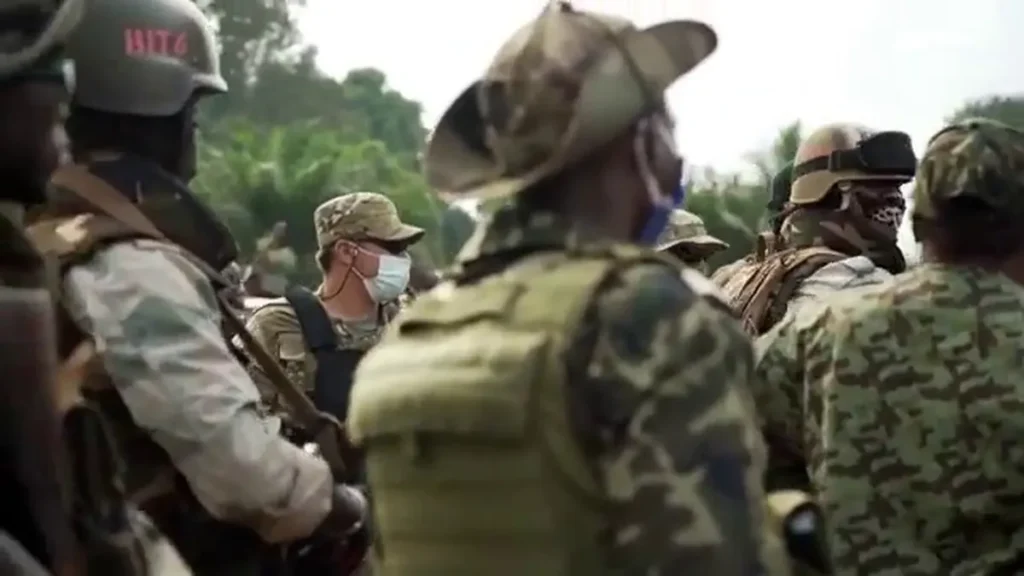
The Vakaga region in the Central African Republic is reeling after a brutal attack by alleged Russian mercenaries left four young men beheaded and their bodies burned near Délémbé village. This latest incident has ignited fierce public debate over foreign military presence and the security vacuum in one of the country’s most volatile areas.
The attack occurred just days after local leaders had warned of escalating tensions. Eyewitnesses describe seeing heavily armed men in military fatigues near the village, shortly before the gruesome discovery. Authorities have yet to issue an official statement, but community leaders say the evidence points to a coordinated strike designed to terrorize local populations.
What sparked the brutal attack in Vakaga?
The sequence of events leading to the killings remains unclear. However, several factors may have contributed to the violence:
- Resource control: The Vakaga region is rich in gold, diamonds, and other minerals, making it a strategic target for armed groups.
- Ethnic tensions: The area has seen recurring clashes between pastoralists and farmers, further destabilizing the region.
- Foreign military presence: The presence of Russian mercenaries, often linked to the Wagner Group, has been a point of contention among locals and international observers.
Residents report that armed men have been increasingly active in the area, extorting money from traders and travelers. The beheadings appear to be a calculated move to instill fear and assert dominance.
How is the public reacting to the attack?
The attack has sent shockwaves through Central Africa, with widespread outrage and demands for justice. Social media platforms are flooded with condemnations, and civil society groups are calling for a stronger government response. Meanwhile, some locals express frustration over the perceived lack of action by authorities.
In Birao, the regional capital, residents have organized vigils and protests, demanding protection from armed groups. Leaders from neighboring villages have also sent letters to the government, urging immediate intervention to prevent further bloodshed.
However, skepticism remains about the government’s ability — or willingness — to address the crisis. Many fear that political interests may overshadow the need for security and justice.
What’s next for Vakaga and the Central African Republic?
The fallout from the attack is still unfolding, but several key developments could shape the region’s future:
- Security reinforcement: The government may deploy additional troops to restore order, but past efforts have yielded mixed results.
- International pressure: Regional bodies and global partners may increase scrutiny of foreign military actors operating in the country.
- Community resilience: Local initiatives are forming to protect villages and advocate for peace, though their long-term impact remains uncertain.
Without a coordinated effort to address the root causes of instability — including foreign interference and resource exploitation — the cycle of violence in Vakaga may continue unchecked. The question now is whether the international community will act before the situation deteriorates further.
Calls for accountability gain momentum
Civil society organizations are demanding that those responsible for the attack be held accountable. They argue that the lack of transparency in investigating similar past incidents has emboldened perpetrators to commit further atrocities.
Meanwhile, families of the victims are pleading for closure, but justice seems distant in a region where armed groups operate with impunity. The coming weeks will reveal whether this latest tragedy will spur meaningful change or deepen the cycle of fear.