The autonomous district of Abidjan has intensified its urban redevelopment drive with the demolition of the Zimbabwe neighborhood in Vridi-3, a long-standing fishing community near the city’s port. The operation, launched on June 2, targeted 28 hectares of land and displaced thousands of residents within hours—a process witnesses described as harsh and abrupt. This follows closely behind the razing of three informal settlements in Cocody, the affluent northern district of Abidjan, just days earlier.
Contested urban order restoration in Abidjan
Authorities frame this campaign as a necessary cleanup to restore order to the economic capital’s urban fabric. Officially termed an “urban order restoration operation,” it reflects the district’s bid to reclaim spaces deemed irregularly occupied. The Zimbabwe area in Vridi-3 was a prime target due to its prime location near Abidjan’s port and logistics infrastructure.
For decades, this coastal zone has been home to artisanal fishing, a vital livelihood for many households supplying Abidjan’s markets. The demolition not only strips residents of their homes but also dismantles an informal yet critical economic network. Locals report receiving neither adequate notice nor credible support before bulldozers arrived.
Rising land pressure around Abidjan’s port
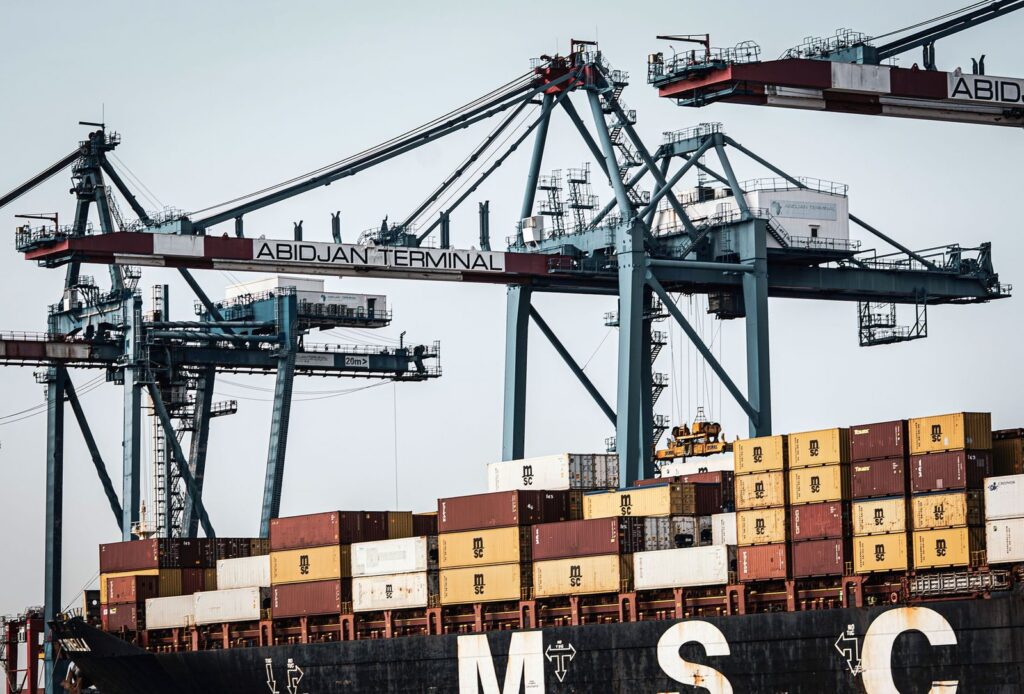
The razed neighborhood sits in a strategic zone. The Port of Abidjan remains the country’s main commercial gateway and a major maritime hub in the Gulf of Guinea. Its continuous expansion, coupled with growing logistics and industrial projects, has intensified land demand along the port’s edges. Vridi, in particular, has faced increasing pressure for commercial, hydrocarbon, and tourism-related developments over the years.
In this context, informal settlements are seen by planners as obstacles to economic valorization of the coastline. The Zimbabwe demolition aligns with a broader strategy to free up prime land, but it risks reputational and social backlash. Human rights groups previously warned of failed relocation efforts after prior demolitions.
Cocody demolition precedent raises questions
The Vridi-3 operation follows the demolition of three informal pockets in Cocody within days. The accelerated pace suggests a broader agenda by the autonomous district to reshape Abidjan’s urban landscape ahead of major upcoming projects. Local leaders, including Governor Ibrahim Cissé Bacongo, face the challenge of balancing rapid modernization with managing a city of over six million residents.
The fate of displaced residents remains uncertain. No structured relocation plan has been announced for Zimbabwe’s former inhabitants as the rainy season approaches—a particularly vulnerable time for homeless populations. Local advocates also fear a displacement effect, with new informal settlements likely forming on the city’s outskirts.
Whether this wave of demolitions marks a lasting shift in Ivorian urban policy—or prompts a rethink under social and international scrutiny—will depend on the authorities’ next moves. The choices made in the coming weeks will heavily influence perceptions of the governance model championed from Yamoussoukro.