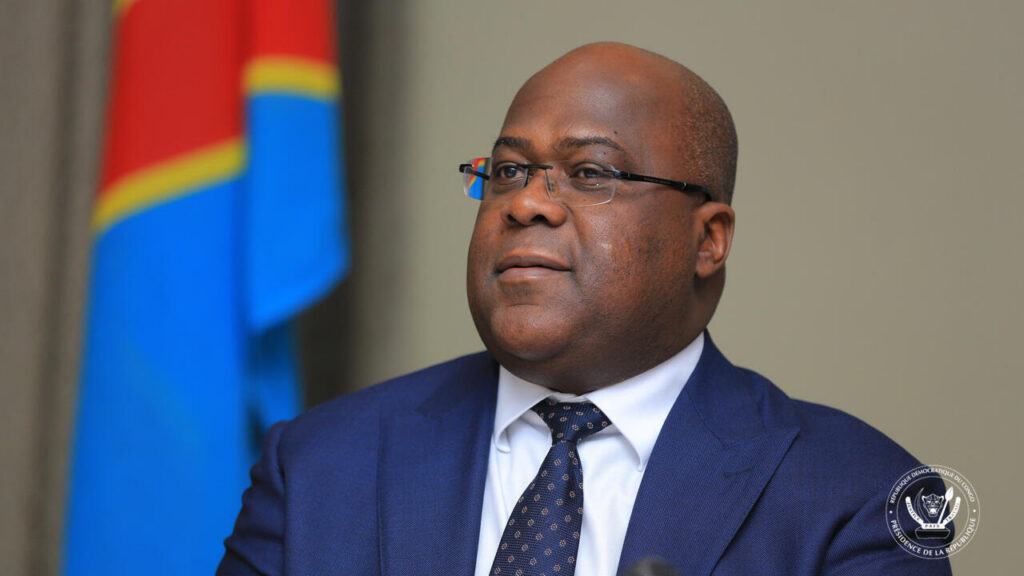
The opposition in the Democratic Republic of Congo (DRC) has called off its planned march for July 22 but remains firmly opposed to a third term for President Félix Tshisekedi. The coalition insists the national dialogue, announced by the head of state, must begin before August 15. What do you think of this ultimatum? What are your expectations for this dialogue?
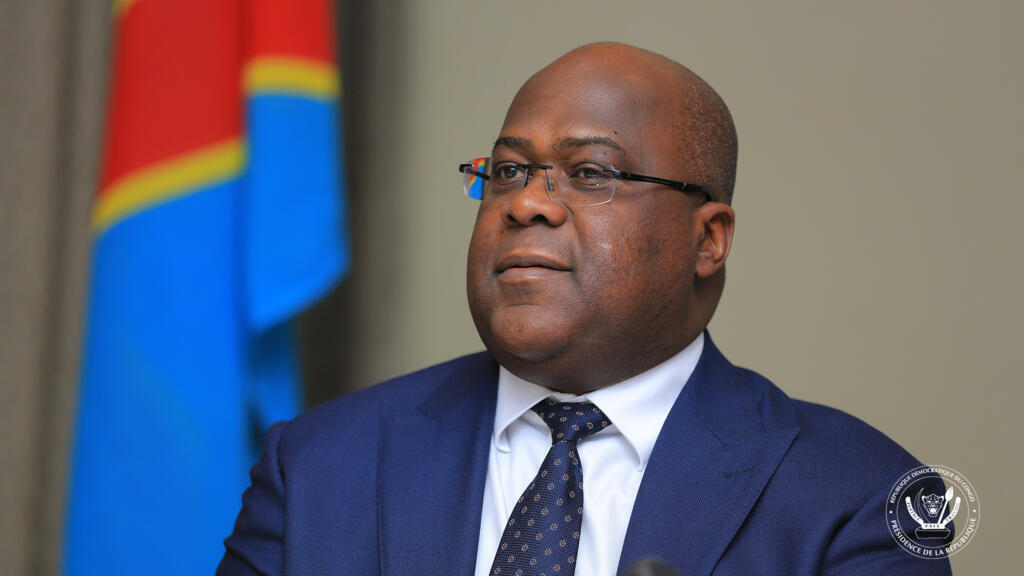
a tense political climate ahead of the dialogue
The opposition’s decision to postpone the march reflects the deep divisions gripping the DRC. Félix Tshisekedi’s announcement of a national dialogue has sparked intense debate. While some see it as an opportunity for reconciliation, others view it as a delaying tactic to avoid addressing pressing issues.
Civil society groups and political opponents are demanding concrete guarantees that the dialogue will lead to meaningful reforms. The opposition coalition has set a firm deadline: the process must commence before August 15. Failure to meet this ultimatum could escalate tensions further.
key issues at stake in the dialogue
The national dialogue is expected to tackle several critical topics, including:
- Constitutional reforms: The opposition is particularly concerned about potential changes that could pave the way for a third term for President Tshisekedi, a move they strongly oppose.
- Security challenges: The eastern regions of the DRC continue to face instability, with armed groups posing a persistent threat to civilians.
- Electoral transparency: Ensuring fair and credible elections remains a priority for both the government and opposition.
- Economic governance: Addressing corruption and improving economic policies to benefit the population is another key area of focus.
what citizens expect from the dialogue
Public opinion is divided. Some citizens hope the dialogue will bring stability and address the country’s long-standing challenges. Others remain skeptical, fearing it may be used to consolidate power rather than foster genuine reform.
The opposition’s stance underscores the urgency of the situation. They argue that delaying the dialogue could exacerbate political instability and undermine trust in the government’s commitment to democratic principles.
As the August 15 deadline approaches, all eyes are on President Tshisekedi to see whether he will take decisive steps to initiate the dialogue or risk further confrontation.