Behind the scenes of Mali’s customs shake-up: loyalty vs. expertise
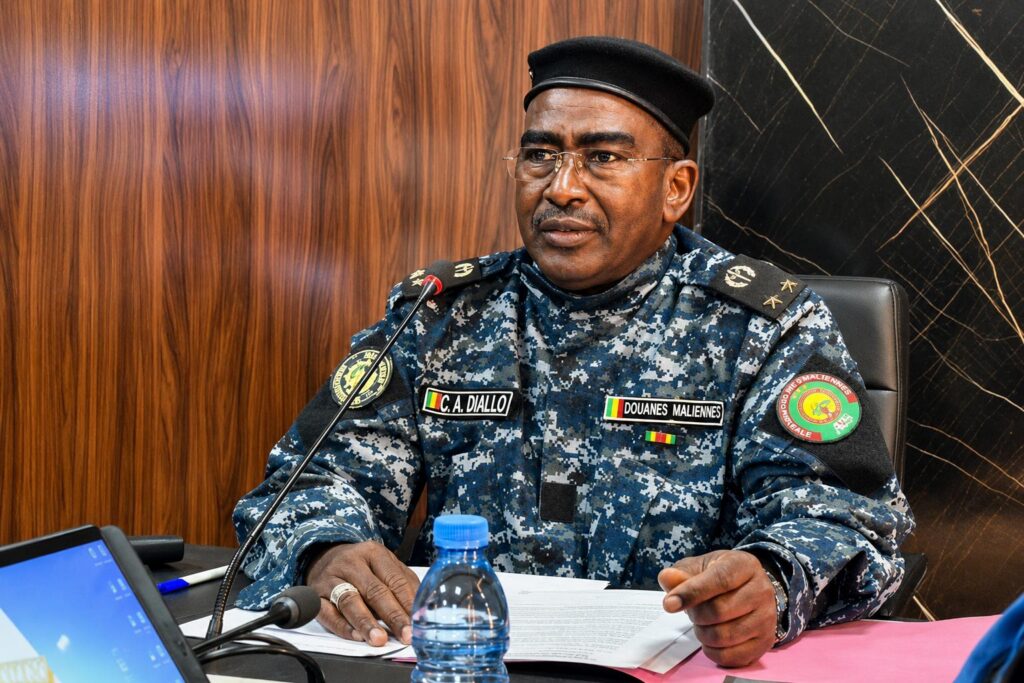
In a nation where every appointment within the Direction Générale des Douanes du Mali sends ripples through political and economic circles, recent waves of transfers and promotions have sparked intense debate. While official narratives frame these changes as strategic restructuring, deeper currents may be at play. Journalist and analyst Fousseyni Sissoko dives into the complexities of this institutional upheaval, questioning whether it’s about efficiency—or something far less transparent.
Officially, it’s all about performance
The Finance Ministry and customs leadership present this reshuffle as a vital step to revitalize the agency amid economic transition. With Mali under pressure to boost internal revenue amid regional instability, injecting fresh leadership into border operations and regional offices is framed as a move to tighten fraud controls and enhance logistical performance. The goal? Strengthen fiscal resilience and streamline customs efficiency—at least, that’s the stated agenda.
Yet beneath the polished rhetoric of modernization lies a far murkier narrative. In an administration where oversight of high-value trade—especially hydrocarbons and major transit corridors—translates into immense authority, the line between reform and power realignment is dangerously thin. Efficiency claims often serve as a smokescreen for strategic repositioning.
The shadow of internal housecleaning
Sissoko’s analysis doesn’t just scratch the surface. It peels back layers to reveal the human cost and political undertones of these changes. Could this be a quiet purge? A calculated removal of officials deemed too independent, too entrenched in legacy networks, or too aligned with past regimes? In Mali’s current climate, control over key institutions isn’t just about governance—it’s about sovereignty, security, and survival within the state apparatus.
The pattern is familiar: experienced professionals sidelined in favor of appointees whose loyalty aligns with the prevailing political direction. Such moves seldom prioritize technical competence over allegiance. Sissoko’s investigation exposes this tension, highlighting how institutional loyalty often trumps merit in the corridors of power.
A customs agency caught between reform and manipulation
Ultimately, the reshuffle reveals the Direction Générale des Douanes du Mali not as a neutral fiscal machine, but as a battleground where interests collide. Whether framed as a necessary overhaul to secure state coffers or as a politically motivated reshuffle, one truth emerges: the appointment of human resources in Mali’s financial security forces is a high-stakes game.
For citizens and economic partners alike, this moment demands scrutiny. The customs agency isn’t just collecting duties—it’s a mirror reflecting the deeper struggles over who truly controls Mali’s financial destiny.