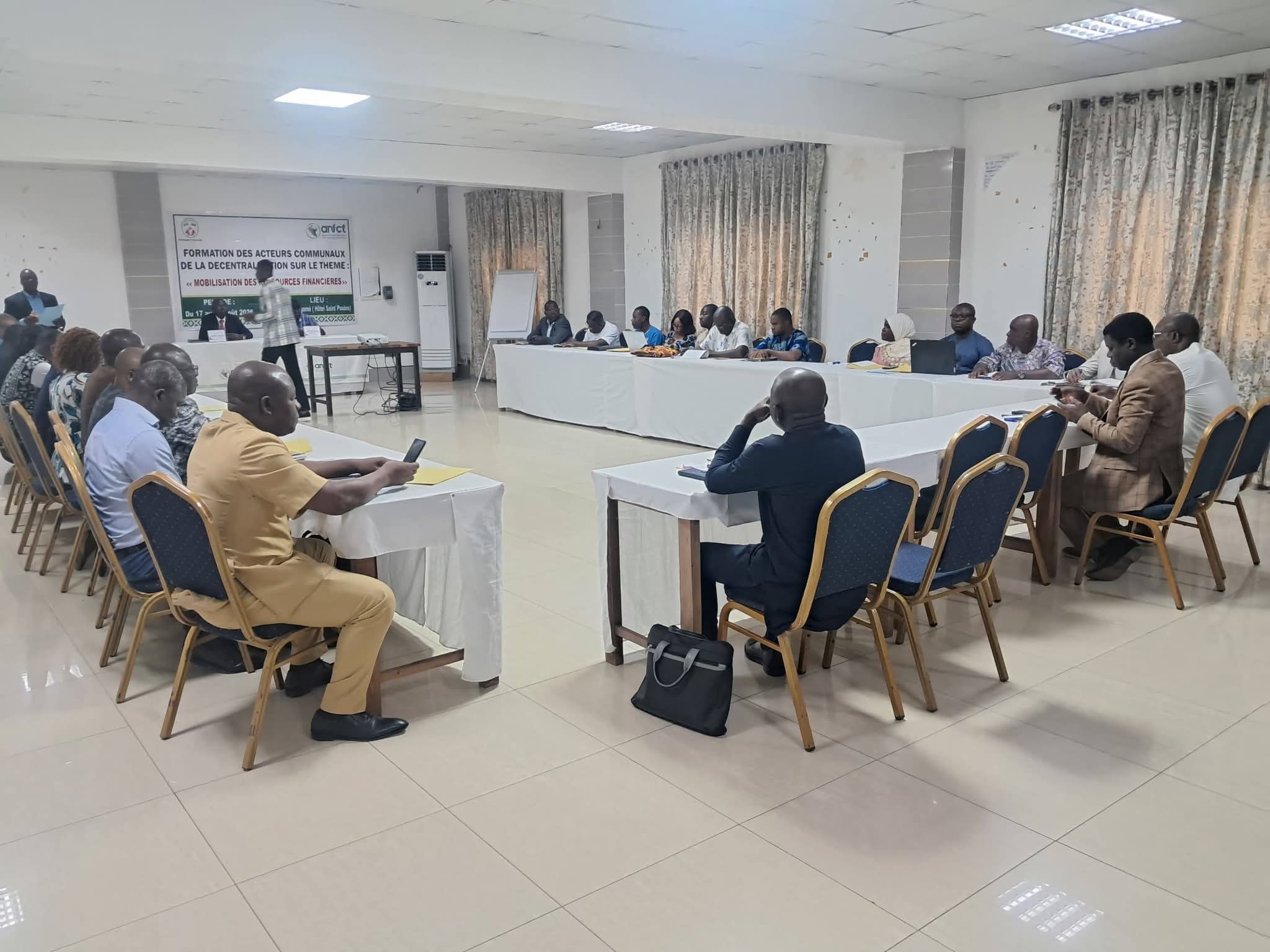
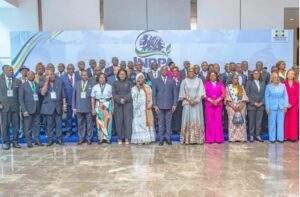
Lomé, 17 August 2026 — Local governments in Togo cannot consistently meet community expectations without adequate and well-managed financial resources. This critical challenge brings together municipal leaders from Golfe 2, Golfe 3, Agoè-Nyivé 5, and Agoè-Nyivé 6 for a three-day workshop in Golfe 7 from 17 to 19 August 2026.
The training session focuses on financial resource mobilization, equipping local officials with advanced methods to boost municipal revenue and refine management practices. This initiative aligns with the National Training Plan spearheaded by the National Training Agency for Local Authorities (ANFCT).
ADVERTISING
Financial autonomy: the core of local governance challenges
For municipalities, the focus now extends beyond merely identifying new funding streams. It involves securing existing revenue streams, enhancing collection efficiency, and converting mobilized funds into tangible public services.
The financial capacity of a local authority directly determines its ability to fund infrastructure projects, maintain equipment, and address the socio-economic needs of its residents. Strengthening the skills of municipal staff and leaders has thus become a cornerstone of local governance.
The Golfe 7 gathering is designed to tackle this challenge head-on by fostering practical skill development and peer-to-peer knowledge exchange among participating municipalities.
Workshop centered on local best practices
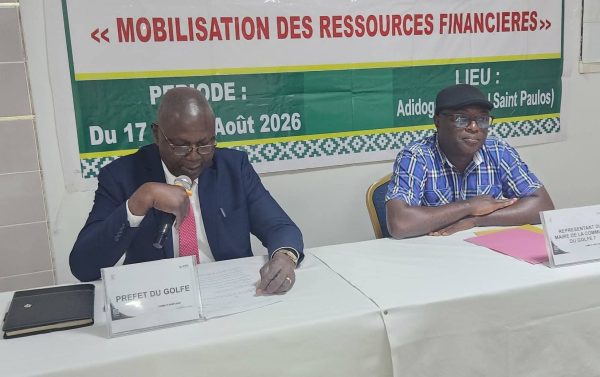
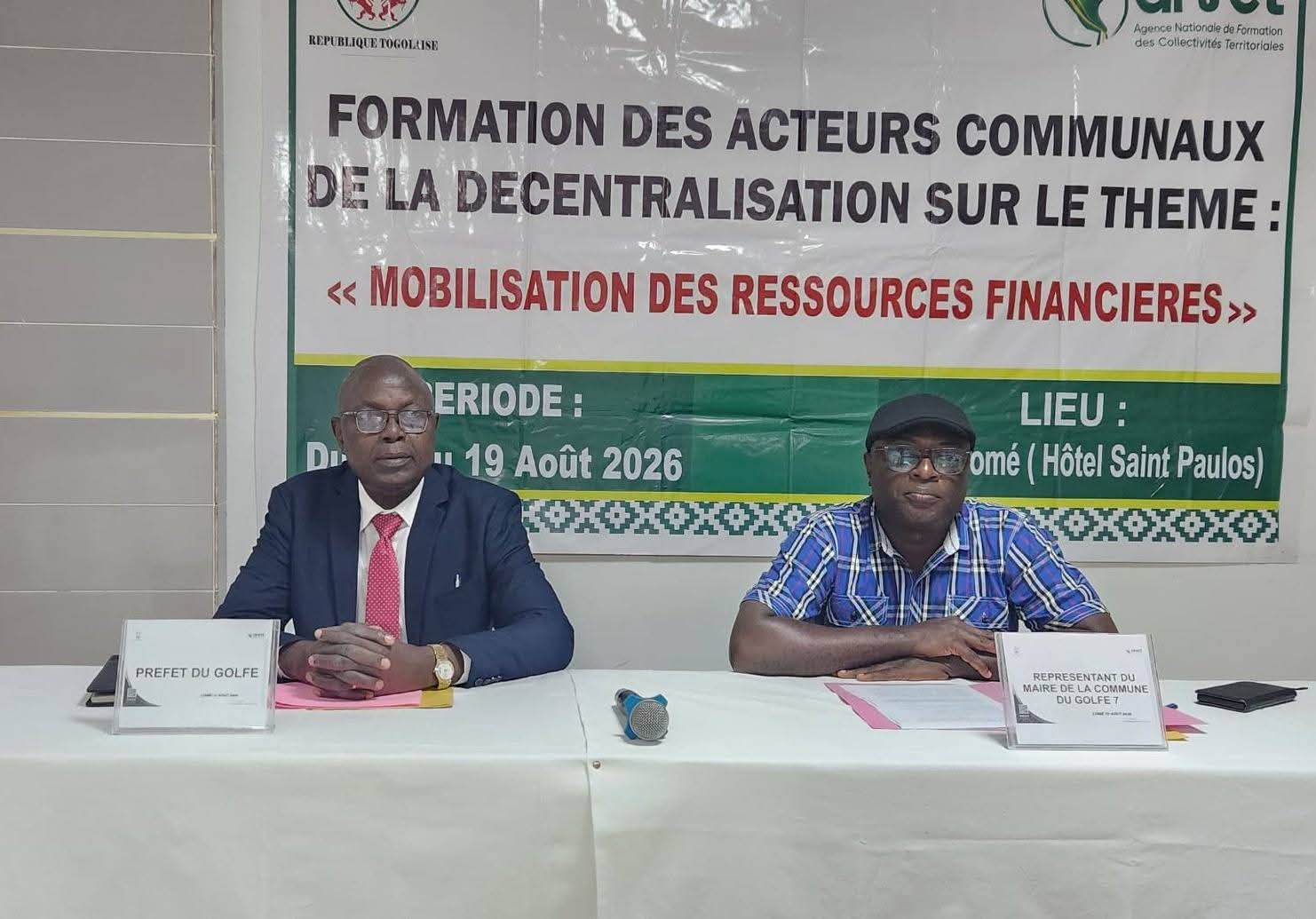
The Prefect of Golfe, Kossivi AGBODAN, formally inaugurated the event on Monday, 17 August, alongside Koffi ADAKA, the Third Deputy Mayor of Golfe 7, along with mayors and representatives from participating municipalities, general secretaries, and financial officers.
Speaking on behalf of the Senator-Mayor, Koffi ADAKA emphasized the workshop’s role in empowering local authorities to build genuine financial autonomy. He urged participants to maximize the three-day session by engaging in experience-sharing and developing actionable solutions tailored to local realities.
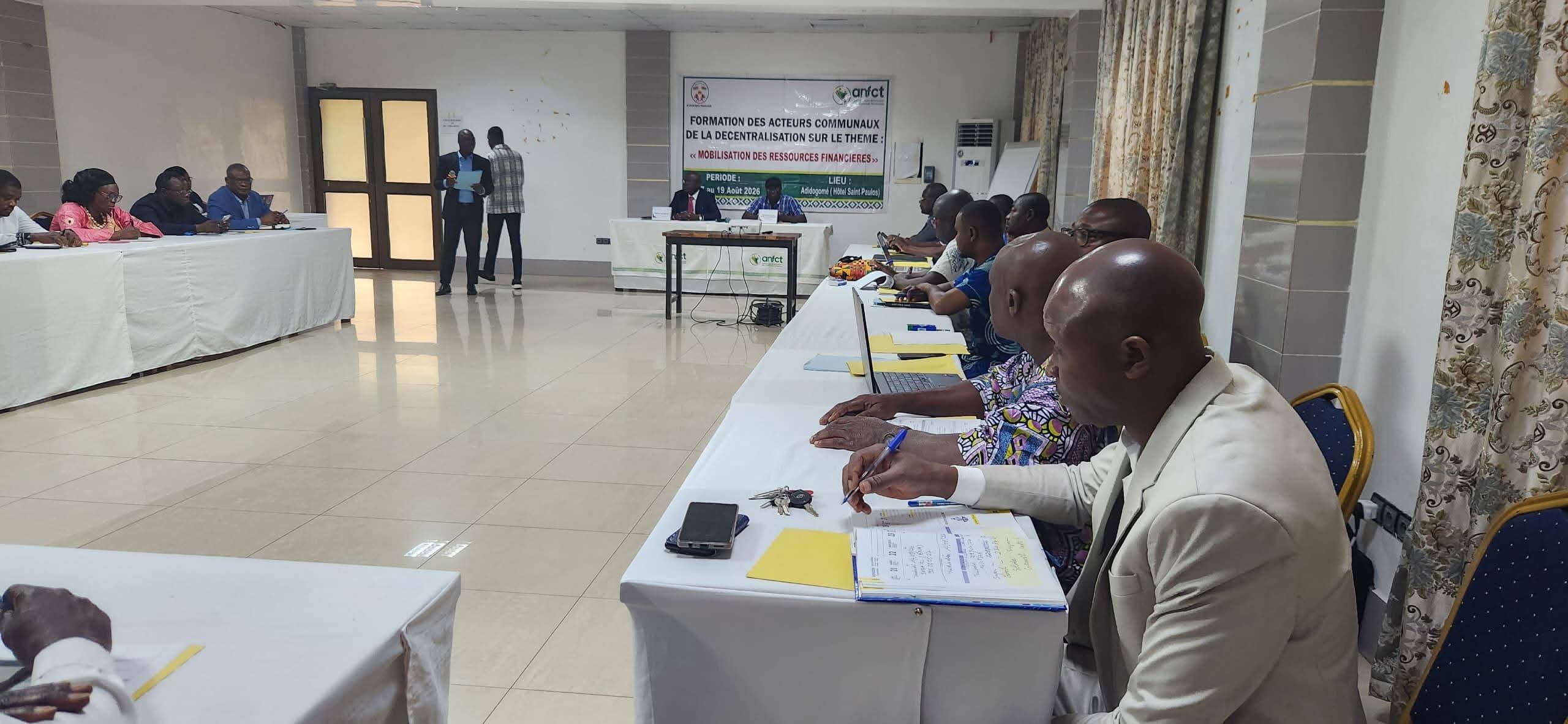
The training methodology goes beyond textbook theory. Participants are encouraged to assess their current practices, pinpoint operational challenges, and co-create strategies to refine their resource mobilization mechanisms.
Mobilizing more—and managing it better
Prefect Kossivi AGBODAN underscored a second critical imperative: strict discipline in local public finance management.
A local authority may expand its revenue streams without improving residents’ living conditions if it fails to control how funds are allocated. AGBODAN stressed that mobilization efforts must align with financial prudence, rigor, and transparency.
This principle elevates the training’s significance. The goal is not merely to increase revenue but to ensure every franc collected translates into effective support for municipal policies and projects.
Three days to reshape financial practices
Over the course of three days, participants are leveraging a shared platform to deepen their expertise, exchange practical insights, and explore ways to enhance both the mobilization and management of financial resources.
Through this initiative, the ANFCT continues its mission to support local authorities in the decentralization process. For the four participating municipalities, the immediate task is to translate the workshop’s lessons into concrete actions that strengthen their financial capacities—and, ultimately, their responsiveness to community needs.
By Georges Essomba — Regional Policy and International Economics
Subscribe to the feedGet the latest articles in your RSS reader