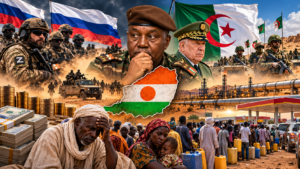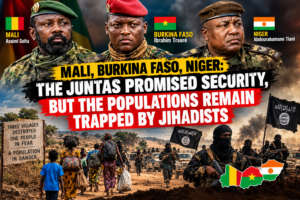
Beyond their geographical proximity in the Sahel, Burkina Faso, Mali, and Niger share three distinct and concerning commonalities.
First, all three nations are currently under the control of military juntas. Second, these regimes are frequently linked to severe human rights violations and atrocities. Within these conflict-ridden territories, abuses against civilians have become commonplace, alongside the systematic suppression of political and civil rights.
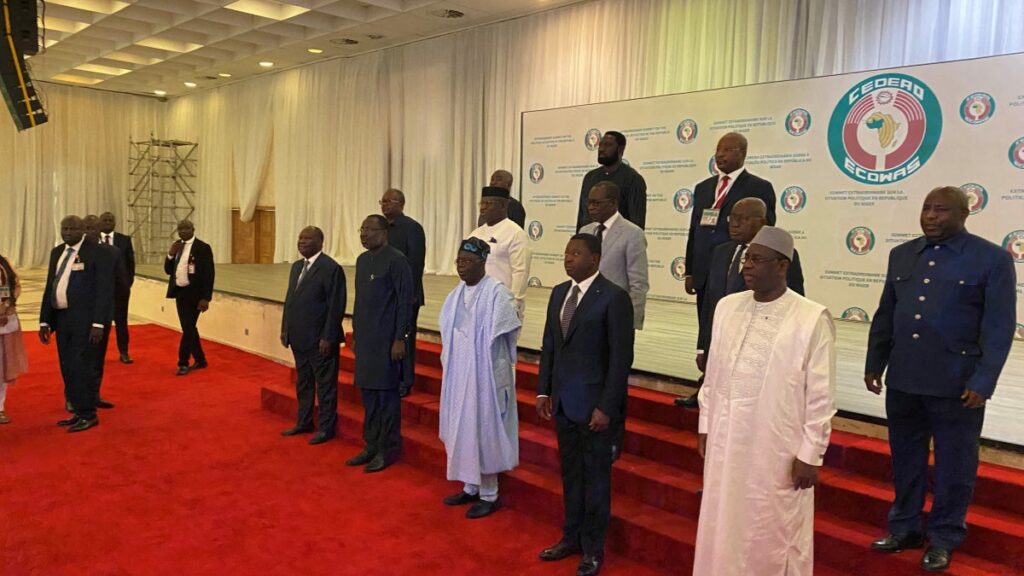
Finally, all three have formally withdrawn from the Economic Community of West African States (ECOWAS). This move is deeply connected to the first two points.
ECOWAS hosts the Community Court of Justice, a body that has allowed citizens of member states to file human rights complaints directly—bypassing local judicial systems—since 2005. This court has historically delivered significant rulings regarding Mali, Niger, and Burkina Faso.
It is evident why these military authorities, whose security forces are accused of grave abuses, would seek to exit ECOWAS. By removing themselves from the jurisdiction of the Community Court, they effectively evade accountability for their actions.
While this strategy offers a convenient shield for the juntas, it is a catastrophe for victims of state violence who lose a vital avenue for legal redress. Domestic justice systems in these countries are failing, as authorities rarely investigate or prosecute their own security forces for wartime abuses.
In the newly formed confederation of these three states, justice and accountability are clearly not on the agenda. A Malian political activist, now living in exile, recently noted that these military governments have consistently failed to hold perpetrators of human rights violations accountable. Their withdrawal from regional bodies only reinforces their disregard for the rule of law and human rights protections.