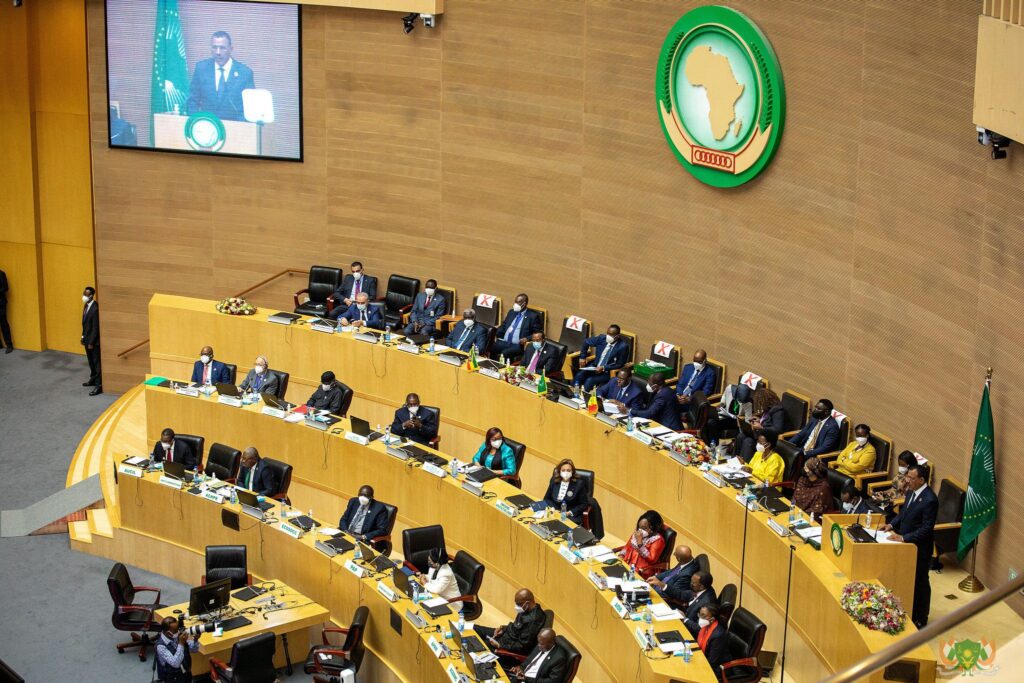
Marrakech – Morocco has reiterated its unyielding support for Mali following the recent wave of coordinated terrorist and separatist attacks that struck the West African nation last weekend. Speaking before the African Union Peace and Security Council (AU PSC), Morocco’s delegation delivered a resolute message, condemning the assaults on both civilian and military targets with unwavering firmness.
The Moroccan representation expressed deep compassion and heartfelt condolences to the bereaved families and the resilient people of Mali. Emphasizing the importance of solidarity, the delegation underscored Morocco’s full backing for Mali’s sovereignty, security, and territorial integrity. It also called for urgent financial mobilization to accelerate an effective response, in close cooperation with Malian authorities.
This stance builds upon Morocco’s swift reaction immediately after the attacks. A high-ranking diplomatic source in Rabat declared on the day of the assaults that the Kingdom “vehemently condemns these heinous and cowardly acts,” reaffirming its steadfast support for Mali’s government in combating terrorism and separatism across the country and the broader Sahel region.
escalation in Mali: coordinated attacks and their consequences
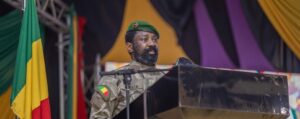
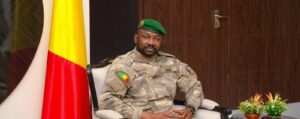
The scale of the attacks on April 25 was unprecedented. Militants from the al-Qaeda-linked JNIM, alongside Tuareg separatists from the Front for the Liberation of Azawad (FLA), launched simultaneous offensives on seven cities, including Bamako, Kati, Kidal, and Gao. The violence resulted in significant casualties, including the tragic death of Malian Defense Minister General Sadio Camara, who was killed by a suicide car bomb at his residence in Kati. Additionally, Junta leader General Assimi Goita has been missing since the coordinated strikes, which saw the strategic city of Kidal fall under rebel control. Russian Africa Corps mercenaries subsequently withdrew from the area under a negotiated agreement with the armed groups.
Algeria’s alleged shadow war against Mali
While Morocco’s swift solidarity with Bamako has been widely noted, observers and analysts are now focusing on what they describe as Algeria’s covert campaign to destabilize Mali. This alleged interference, they argue, has intensified significantly in recent weeks, particularly following Mali’s sovereign decision—just two weeks prior—to revoke its recognition of the self-proclaimed “SADR” and formally endorse Morocco’s autonomy plan for Western Sahara.
Algeria’s strategic response: punishing defiance
The geopolitical realignment by Mali has struck at the core of Algeria’s long-standing regional influence, undermining decades of carefully constructed diplomatic leverage. Algiers, which has historically framed its African policy around the Western Sahara conflict, viewed Bamako’s pivot as an unacceptable act of strategic defiance.
Security experts tracking developments in the Sahel are categorical: the April 25 attacks did not emerge in isolation. Instead, they represent a calculated response to Mali’s decisive break from Algeria’s sphere of influence, serving as punitive retaliation for defying Algiers’ regional dominance.
Mali has repeatedly accused Algeria of harboring separatist factions and interfering in its internal affairs, accusations supported by extensive documentation. Algeria’s track record includes providing financial, military, and diplomatic support to separatist groups across the region, with the Polisario Front standing as a prominent example of this destabilizing strategy. Analysts suggest that a similar playbook is now being deployed against Mali.
information warfare and media manipulation
The Algerian media ecosystem sprang into action in lockstep with the armed groups on the ground, launching a coordinated disinformation campaign within hours of the first strikes. Semi-official outlets and state-linked digital platforms amplified separatist narratives, exaggerated casualty figures, and spread unverified claims about key officials. The underlying message was unmistakable: defiance of Algeria’s influence comes at a price.
This propaganda blitz unfolded against the backdrop of Algeria’s own domestic repression of terrorist threats. International observers have documented active security threats in regions like Blida, yet Algiers imposes a strict media blackout on such incidents. Multiple Western embassies have even issued travel advisories warning their citizens of the risks.
The stark contrast—suppressing terrorism at home while exploiting it regionally—reveals a cynical duality in Algeria’s statecraft. This hypocrisy underscores a broader pattern: Algiers suppresses threats within its borders while weaponizing terrorism as a tool of geopolitical pressure against neighboring states.
the collapse of algiers’ leverage and Mali’s strategic shift
Mali’s decision to abrogate the 2015 Algiers Accord, citing continuous hostile actions by Algeria, dismantled the primary instrument of Algiers’ soft power over Bamako. For years, Algeria had used the agreement to maintain armed groups as a persistent threat to Mali’s central government, ensuring its dominance over the country’s political landscape.
With this leverage neutralized and Mali actively diversifying its strategic alliances beyond Algeria’s control, Algiers has responded with a calculated escalation. This includes proxy warfare, disinformation campaigns, and efforts to destabilize Mali’s territorial integrity. The goal appears to be coercing Bamako back into Algeria’s orbit through a combination of military pressure and psychological warfare.
Morocco’s principled stance: partnership over coercion
Morocco’s approach stands in stark contrast to Algeria’s strategy. Foreign Minister Nasser Bourita articulated this principle during a joint press briefing with Burkina Faso’s Foreign Minister Karamoko Jean Marie Traoré in Rabat in June 2024. Bourita emphasized Morocco’s opposition to coercive diplomacy, stating, “Morocco firmly rejects the logic of those who lecture and blackmail Sahel nations.”
In what many interpret as a direct critique of Algiers, Bourita added, “Even in the Sahel’s neighborhood, there are countries that seek to manage crises through pressure, exploiting regional instability to resolve their own domestic issues.” He affirmed that Morocco’s engagement is rooted in a philosophy of trust in the ability of Sahel nations to address their own challenges, offering expertise and support without strings attached.
“They do not need guardians; they need partners,” Bourita declared. This stance reflects a commitment to mutual sovereignty and respect, a stark departure from Algeria’s approach, which many analysts now view as a model of coercion masquerading as regional solidarity.