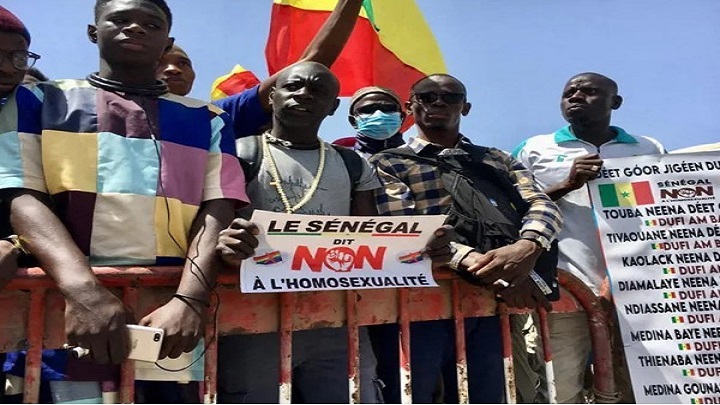
The diplomatic landscape between Senegal and France has grown increasingly strained following two pivotal events: the adoption of a stringent anti-LGBT+ law by Dakar in March 2026 and the subsequent arrest of a French national in Dakar earlier that same year. These developments have ignited a fierce debate over human rights, state sovereignty, and the evolving nature of Senegal–France relations.
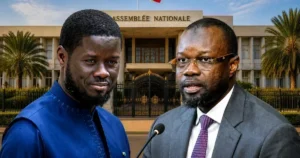
On March 11, 2026, Senegal’s National Assembly passed a bill that significantly toughens penalties for same-sex relationships. While Senegal’s government defends the legislation as a reflection of the country’s deeply rooted sociocultural values, critics argue it marks a dangerous escalation in state-sanctioned discrimination. The law’s passage has drawn sharp criticism from international observers, including human rights advocates and foreign governments.
In a separate but closely related incident, a French engineer in his early 30s, long-term resident of Dakar, was arrested on February 14, 2026. The detainee faces multiple charges, including “unnatural acts,” criminal conspiracy, money laundering, and alleged transmission of HIV. French consular authorities have confirmed they are closely monitoring the case while maintaining regular contact with both the detainee and his family.
This legal case has rapidly evolved into a diplomatic flashpoint. In France, public figures such as Yaël Braun-Pivet have condemned the treatment of LGBT+ individuals in Senegal, framing the criminalization of same-sex relations as a violation of fundamental human rights. Her statements have sparked a polarized response: some view them as a necessary defense of global human rights standards, while others perceive them as an unwarranted interference in Senegal’s internal affairs. Critics of the French stance argue that each nation must be allowed to govern according to its own cultural, legal, and social norms without external pressure.
The escalating dispute comes at a time when Senegal and France are actively redefining their bilateral partnership across economic, security, and diplomatic spheres. This strategic recalibration—often contentious—has led to recurring friction over sensitive issues, with LGBT+ rights now standing at the forefront of these tensions.
The case of the detained French national has underscored deeper divisions between Western and African perspectives on individual freedoms and state authority. As both countries navigate this delicate terrain, their diplomatic exchanges continue against a backdrop of growing cooperation and palpable disagreement. The outcome of these talks will not only shape Senegal–France relations but also set a precedent for how sovereignty and human rights are balanced in an increasingly interconnected world.