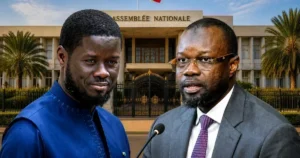
During a high-stakes cabinet meeting in Dakar, Prime Minister Ousmane Sonko delivered a scathing critique of what he described as glacial judicial proceedings surrounding accountability cases. The session, held this Thursday, became a platform for the government chief to voice his mounting frustration over the perceived inertia in handling alleged financial misconduct.
According to detailed accounts of the closed-door discussions, Sonko directly challenged Justice Minister Yassine Fall about the judiciary’s effectiveness in addressing cases of public fund mismanagement. The Prime Minister pulled no punches, questioning the slow pace of proceedings and the lack of concrete judicial outcomes in several sensitive cases that have dragged on without resolution.
Systemic bottlenecks and lingering impunity
Sonko didn’t mince words when he highlighted what he sees as systemic flaws in the judicial process. He pointed to what he called a ‘culture of impunity’ where substantial public resources allegedly disappear without corresponding legal accountability. In his assessment, these delays not only undermine public trust in government operations but also weaken the very foundations of institutional credibility.
The Premier Minister went further, demanding accountability not just from former officials but also current administrators. He painted a picture of structural bottlenecks within the judicial system, suggesting that certain cases face deliberate or institutionalized delays that prevent timely resolution.
In her response, Justice Minister Yassine Fall emphasized that her department is actively working to expedite ongoing investigations. She acknowledged operational constraints while reaffirming the judiciary’s commitment to pursue cases wherever sufficient evidence exists. However, this assurance failed to fully assuage Sonko’s concerns.
Transparency and urgency in judicial accountability
The Prime Minister maintained his position, calling for accelerated legal proceedings and greater transparency in case tracking. He stressed that the accountability process remains central to the current administration’s mandate, arguing that swift and rigorous justice is essential for restoring citizen confidence in public institutions.
As the meeting concluded, Sonko left no doubt about his expectations: judicial matters must be treated as matters of national importance requiring immediate and decisive action. His intervention signals a potential escalation in the government’s approach to combating corruption and financial irregularities through the courts.