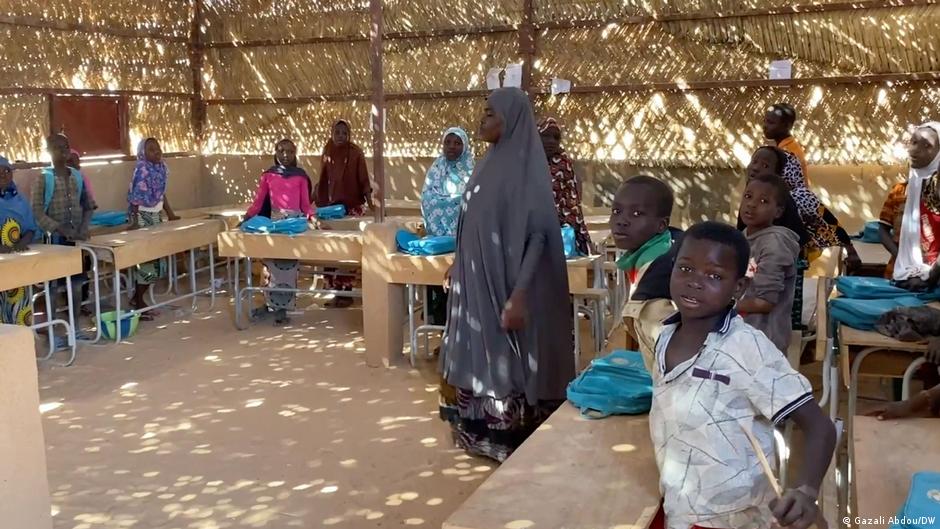
In the bustling town of Gaya, nestled in southwestern Niger, a quiet revolution is unfolding within the walls of a local school. As the final bell rings, students aged 9 to 12 linger in the corridors, their young minds buzzing with newfound knowledge. Today’s lesson on morality has left an indelible mark on their understanding of rights.
“Before this class, I thought rights were only for grown-ups—like driving a car or voting,” confessed one student, his voice tinged with revelation. “Now I know we have the right to healthcare, and no one can hurt us. Even our teachers and parents must listen to us when we speak up.”
These are not mere words—they are the echoes of a lesson that has reshaped their worldview. The instructor, Aïssatou, observes these changes daily. “The moment the lesson ends, the discussion continues. Children absorb and apply what they learn immediately,” she explains. “The impact is visible the second they step out of the classroom.”
Beyond textbooks: nurturing young rights advocates
The school employs the APC (Approche par Compétences) method, tailoring lessons on rights to each child’s developmental stage. Omar, a curriculum advisor, elaborates: “From kindergarten onward, we introduce rights through stories, songs, and interactive activities. By primary school, children grasp the basics—like the right to education and health. As they progress, we expand to civic instruction and moral education, planting the seeds of human rights awareness.”
Yet, not every child in Niger benefits from this transformative education. Many never reach secondary school, their childhoods marked by labor instead of learning. A poignant encounter with an 11-year-old boy collecting plastic bottles in the street underscored this harsh reality. “Rights are for adults,” he murmured, echoing a sentiment shared by too many of his peers.
Why children’s rights education is non-negotiable
The urgency of these lessons cannot be overstated. In regions grappling with instability, children face compounded vulnerabilities—from displacement to exploitation. Equipping them with knowledge of their rights is not just educational; it is protective. It empowers them to recognize abuse, demand fairness, and envision a future where their voices matter.
As the sun sets over Gaya, the students’ laughter fills the air—a reminder that education, when rooted in empowerment, transcends the confines of a classroom. It shapes lives, one child at a time.