Geneva-based commodities giant Gunvor is once again under criminal scrutiny in Switzerland, this time over a Gabon oil contract valued at nearly $1 billion. Swiss federal prosecutors are dissecting the award process and financial framework behind the deal to lift crude from Gabon’s fields. As a global hub for hydrocarbon trading, Geneva has seen several major players ensnared by corruption cases linked to African resource deals in recent years.
Gabon’s oil sales practices face renewed scrutiny
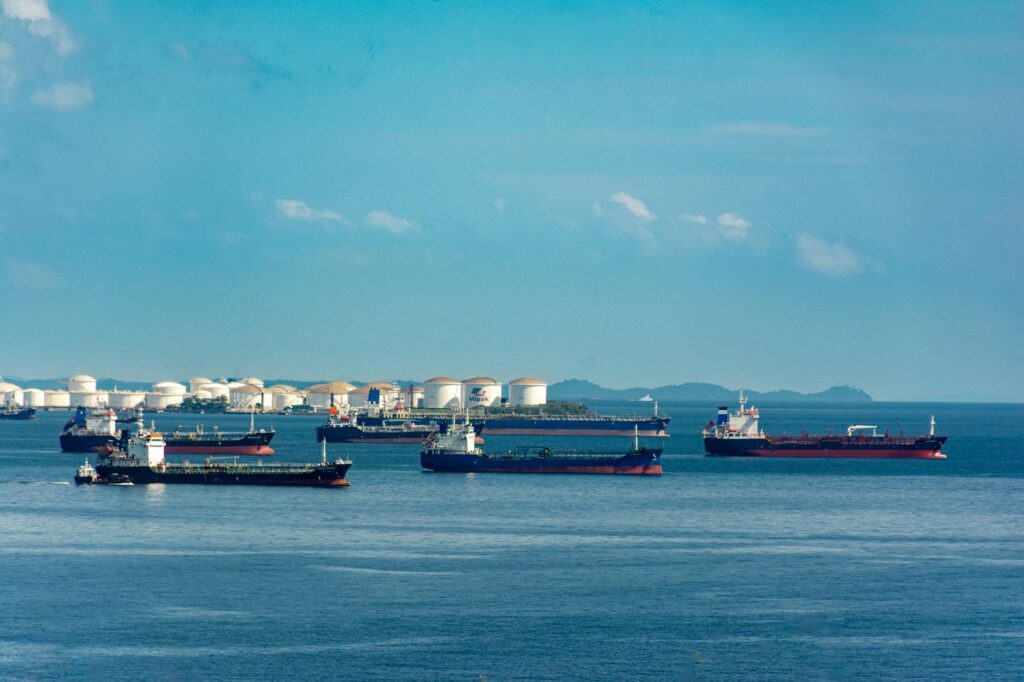
The contract under investigation covers Gabonese crude shipments worth close to a billion dollars, according to publicly available disclosures. Swiss investigators are probing whether intermediaries received kickbacks designed to sway Gabonese authorities in awarding the lifting contract. Gabon, Africa’s twelfth-largest oil producer with roughly 200,000 barrels per day, still relies heavily on these sales for government revenue.
The arrangement traces back to a period when Libreville sought to diversify buyers and monetize production swiftly. So-called pre-financing agreements—where traders advance funds against future deliveries—have become widespread in Africa’s oil-dependent economies, battered by volatile global prices. These inherently opaque structures have now caught the attention of regulators across Europe and North America.
Gunvor’s troubled history with African corruption cases
For the Geneva-based firm, this investigation arrives while its past African missteps remain unresolved. In 2019, Gunvor was fined nearly 94 million Swiss francs by Swiss prosecutors for inadequate anti-corruption controls in deals involving the Republic of the Congo and Côte d’Ivoire. The company pledged to overhaul its compliance systems under pressure from banks and institutional partners.
The recurring legal challenges raise doubts about the effectiveness of the measures Gunvor claimed to have implemented. Swiss authorities, long criticized for leniency toward commodity traders, have tightened their stance in recent years. The 2020 introduction of corporate criminal liability for failure to prevent corruption expanded the prosecutor’s toolkit. The trading sector, accounting for about 4% of Switzerland’s GDP, has become a key battleground in this enforcement push.
Gabon’s new leadership under international pressure
For Gabon’s government, the case lands at a sensitive juncture. Leadership installed after the 2023 transition has made transparency in oil revenue a cornerstone of its legitimacy. Gabon Oil Company and the national refiner are being pressed to clarify marketing channels inherited from the previous decade. Formal cooperation with Swiss prosecutors could provide Libreville with a chance to signal a break from past practices.
Yet the stakes extend beyond bilateral relations. The Extractive Industries Transparency Initiative (EITI), to which Gabon has re-committed, monitors the disclosure of lifting contracts. Multilateral lenders, including the International Monetary Fund, have tied financial support to improved governance in the hydrocarbons sector. Documented evidence of kickbacks involving Gabonese middlemen could complicate ongoing talks on a new funding program.
In Geneva’s trading community, the reverberations could be wide-ranging. Gunvor’s rivals—several already investigated for similar allegations in Angola, Nigeria, and the Republic of the Congo—will be watching closely how Swiss prosecutors frame the case. The prospect of confiscating illicit profits, which in comparable cases have run into tens of millions of dollars, serves as a powerful deterrent. The Swiss probe is now formally underway and may yield further developments in the coming months.