swiss bank accounts cast shadow over Gabon’s political transition
Libreville — The investigation into Swiss bank accounts linked to Gabon’s former first lady is intensifying, marking a critical phase in the Sylvia Bongo case. While local courts in Libreville have already delivered verdicts, the spotlight now shifts to Geneva, London, and the intricate world of international finance.
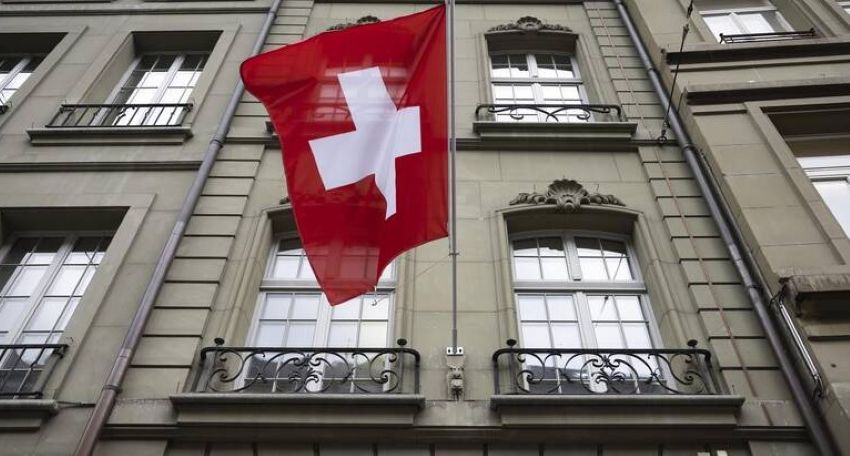
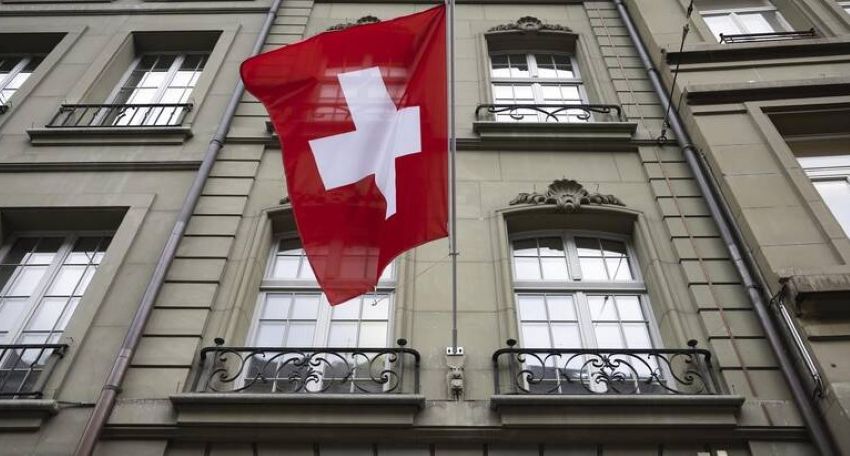
Swiss authorities are scrutinizing millions of euros deposited in a Geneva-based financial institution, probing the origins of these funds amid growing demands for transparency in political wealth across Africa.
Geneva’s legal chessboard
For over two years, Swiss prosecutors have quietly pursued this investigation, now emerging as a pivotal element in the broader saga of Gabon’s political transition. The Swiss inquiry focuses on whether these funds, held in a Geneva bank, were acquired through legitimate means or if they represent illicit wealth.
Unlike Gabon’s domestic proceedings, the Swiss investigation operates independently, with magistrates solely tasked with determining the legality of the funds in question. The timing of this probe—coinciding with the 2023 regime change in Libreville—has fueled debates about its motivations. Sylvia Bongo’s legal team argues that the Geneva court’s recent procedural ruling does not prejudge the final outcome of the investigation, dismissing the accusations as politically motivated.
sylvia bongo’s defense: a question of legitimacy
From her residence in London, Sylvia Bongo has framed her response in political and legal terms. She asserts that her assets have no connection to Gabon’s public treasury, emphasizing that none of her transactions originated from state funds. Her legal representatives contend that all banking operations were conducted in full compliance with regulatory standards, with no irregularities detected.
Yet, the inquiry persists, with Sylvia Bongo suggesting that the Swiss investigation was triggered by the accusations leveled against her during her detention in Libreville. The case raises broader questions: How do political elites accumulate significant offshore wealth? What legal or personal sources justify such fortunes?
Gabon’s transitional justice in the crosshairs
For Gabon’s post-2023 authorities, this case is more than a legal matter—it’s a test of their commitment to combating corruption and promoting accountability. A foreign ruling exposing financial ties to the former regime could bolster their narrative of dismantling entrenched corrupt practices. However, the path to reclaiming any potential misappropriated funds remains fraught with challenges, including the decade-long statute of limitations and the complexities of international judicial cooperation.
As of now, no restitution to Gabon’s treasury has been publicly disclosed. The case underscores a critical issue: the demand for transparency in political wealth is no longer a domestic debate but a global imperative. For Gabon and other emerging democracies, the scrutiny of offshore assets is not merely judicial—it’s a moral and institutional reckoning with the past.