Gabon: why price control alone can’t beat the cost of living crisis
Libreville, 3 July 2026 – For years, rising living costs have dominated conversations across African households. In Gabon, this issue has moved from background noise to front-page headlines, with families feeling the squeeze of higher prices at every turn.
Government efforts to tackle this have been varied and vigorous. Price controls, tax breaks, subsidies, flash sales, and massive public procurement drives by the Centrale d’Achat du Gabon (CEAG) have all been deployed. These measures reflect a genuine desire to shield citizens from economic hardship. Yet, despite this arsenal of tools, prices stubbornly remain high. Could the problem run deeper than mere price tags?
When price cuts hit a wall
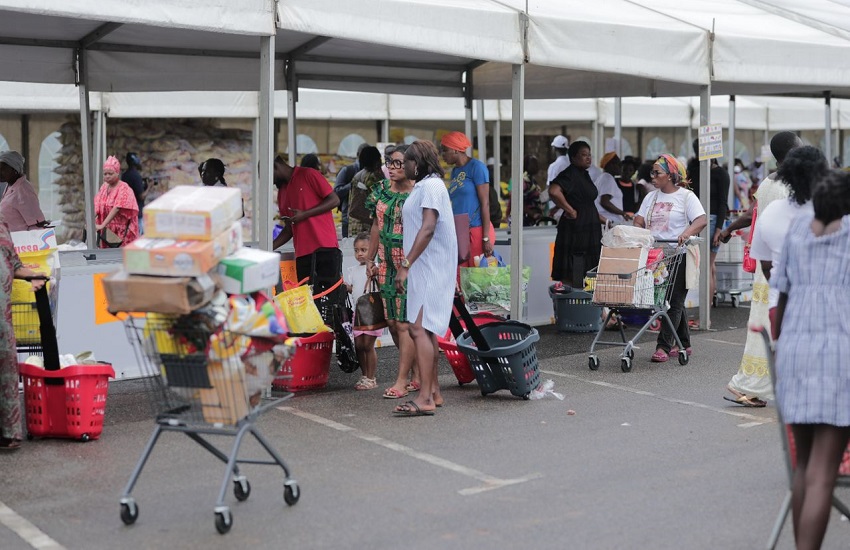
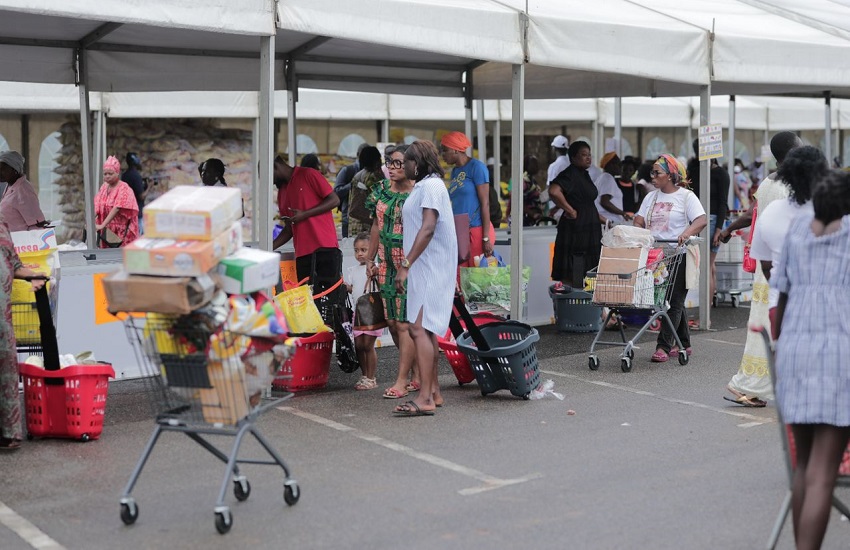
Emergency price reductions offer immediate relief to struggling households. Gabon’s periodic mega-markets, where staples are sold below market rates, exemplify this approach. While undeniably helpful, these initiatives are stopgaps, not solutions. Once the promotions end, consumers return to the same supply chains—and the same high prices. The root causes of inflation remain untouched.
This doesn’t mean such measures are useless. They ease symptoms, not ailments. The real challenge is uncovering why prices stay high and why administrative fixes fail to stick.
The hidden cost of an import-heavy economy
Most debates about living costs focus on shoppers. But the problem often starts long before goods reach the shelves. Gabon imports a significant share of its food and goods. This reliance makes the country vulnerable to global price swings, shipping costs, logistical bottlenecks, and supply chain disruptions. Every increase abroad inevitably trickles down to local consumers.
Viewed this way, high living costs expose a deeper issue: an economy overly dependent on imports also imports inflation. Exporting raw materials without adding value means exporting jobs, future earnings, and purchasing power. Suddenly, the cost-of-living crisis isn’t just about prices—it’s about economic structure.
Build, refine, employ
The path forward may lie in accelerating Gabon’s productive transformation. The country boasts vast potential: abundant forests, rich mineral deposits, fertile land, a strategic coastal position, and relative political stability. Yet much of this wealth leaves the country in raw form, only to be processed elsewhere.
Local processing isn’t just an industrial dream—it’s a direct weapon against high living costs. Each processing plant creates jobs. Each job generates income. Each income boosts purchasing power. Each rise in spending fuels further economic growth. The same logic applies to agriculture and livestock.
Boosting local food production through modern farming, strengthening food supply chains, expanding poultry farming, and supporting agro-industry can steadily reduce reliance on imports. Beyond cutting costs, these sectors create durable jobs—exactly the kind needed to lift household incomes sustainably.
The fight against high living costs may soon shift from supermarket aisles to farms, processing plants, and workshops.
From price relief to income growth
For decades, public policy has focused on controlling prices. Perhaps the time has come to refocus on incomes. A nation doesn’t prosper because prices are artificially capped. It thrives when most citizens earn enough to afford essentials, invest in education, plan for the future, and participate fully in the economy.
Expanding the middle class is one of Gabon’s most strategic goals. A vibrant middle class drives domestic demand, spurs private investment, and nurtures homegrown entrepreneurship. It also stabilizes society. The real battle against high living costs may be the battle for productive jobs and sustainable incomes. In this light, purchasing power should no longer be seen as a byproduct of growth—it should be its central objective.
The power of transparent data
This transformation requires modernizing economic governance. Digitizing price monitoring offers a promising leap forward. With digital tools, authorities can track price movements in real time, detect anomalies, strengthen competition, and measure the true impact of policies.
Economic data can become a powerful regulatory instrument. It would shift governance from perception-based management to fact-based decision-making. In an era where citizens demand greater transparency, this evolution could rebuild trust between consumers, businesses, and government.
The cost-of-living debate extends far beyond Gabon’s borders. Across Africa, governments face the same dilemma: how to protect citizens without locking economies into endless cycles of subsidies and price adjustments? Gabon has a chance to offer a different answer.
By combining social support with accelerated local processing, agricultural development, livestock expansion, industrialization, job creation, digital market reforms, and middle-class growth, the country can shift the fight against high living costs from crisis management to structural transformation.
The question is no longer how long the state can keep cutting prices. It’s how many Gabonese will soon earn stable incomes from a value-creating economy—without relying forever on corrective measures to preserve their purchasing power.
That’s the line between an economy that treats symptoms and one that cures the disease. And that might just be the lasting solution to the cost-of-living crisis.